
Learn 12 evidence-based sleep hygiene tips to improve sleep quality, fall asleep quickly, and reduce sleep deprivation naturally.
Author: VitalWell Hub Editorial Team
Medical Reviewer: Registered Nurse (RN)
Updated: May 2026
Reading Time: 35+ Minutes

Contents
- Introduction
- Why Sleep Hygiene Matters
- The Science of Sleep and Circadian Rhythms
- 1. Maintain a Consistent Sleep Schedule
- 2. Establish a Relaxing Bedtime Routine
- 3. Reduce Screen Exposure Before Bed
- 4. Optimize Your Bedroom Environment
- 5. Limit Caffeine Intake in the Evening
- 6. Avoid Alcohol Close to Bedtime
- 7. Get Natural Light During the Day
- 8. Exercise Regularly
- 9. Eat Light Meals at Night
- 10. Manage Stress and Anxiety
- 11. Limit Daytime Napping
- 12. Recognize When to Seek Medical Help
- Frequently Asked Questions
- Conclusion
- References
Introduction
Sleep is one of the most fundamental biological requirements for human life. Alongside nutrition, hydration, and physical activity, sleep forms one of the core pillars of health. Yet despite its importance, modern lifestyles continue to undermine healthy sleep habits. Millions of people worldwide struggle with difficulty falling asleep, frequent nighttime awakenings, early morning waking, fatigue during the day, or poor-quality sleep that leaves them feeling exhausted even after spending enough hours in bed.
Poor sleep affects far more than energy levels. Scientific research continues to show strong associations between inadequate sleep and increased risks of cardiovascular disease, obesity, hypertension, type 2 diabetes, depression, anxiety disorders, impaired immune function, hormonal imbalances, memory difficulties, workplace errors, and reduced cognitive performance.
According to the Centers for Disease Control and Prevention (CDC) , adults who consistently fail to get adequate sleep are at increased risk for chronic health conditions and reduced quality of life.
Modern technology, demanding work schedules, stress, social media use, excessive screen exposure, poor eating habits, caffeine dependence, irregular sleeping hours, and overstimulation have all contributed to a growing global sleep crisis. Many individuals attempt to solve sleep problems using medications alone, but experts emphasize that healthy sleep behaviors—known collectively as sleep hygiene—are often the first and most important intervention.
Sleep hygiene refers to the habits, environmental conditions, lifestyle practices, and behavioral routines that support healthy, restorative sleep. These evidence-based strategies help regulate the body’s internal clock, improve sleep quality, shorten the time it takes to fall asleep, and reduce nighttime disruptions.
In this guide we explore twelve scientifically supported sleep hygiene practices that can naturally improve sleep quality and overall health. You will also learn how sleep works biologically, how stress and lifestyle habits disrupt normal sleep patterns, and when persistent sleep issues may require professional medical evaluation.
Why Sleep Hygiene Matters
Sleep is not simply a passive state of rest. During sleep, the body undergoes complex biological processes that are essential for physical recovery, brain function, emotional regulation, hormonal balance, immune defense, metabolism, cardiovascular stability, and cellular repair.
While you sleep, your brain actively organizes memories, processes emotional experiences, regulates neurotransmitters, clears metabolic waste products, and restores cognitive function. At the same time, your body repairs tissues, balances hormones, strengthens the immune system, regulates blood sugar levels, and supports cardiovascular recovery.
Researchers from the National Institute of Neurological Disorders and Stroke explain that sleep plays a vital role in maintaining nearly every major body system.
Unfortunately, poor sleep has become increasingly normalized in many societies. People often sacrifice sleep for work, entertainment, academic demands, social activities, or excessive digital device use. Over time, this chronic sleep deprivation creates cumulative physiological stress on the body.
Research published by the National Heart, Lung, and Blood Institute shows that chronic sleep deficiency increases the risk of:
- High blood pressure
- Heart disease
- Stroke
- Type 2 diabetes
- Depression and anxiety
- Weakened immune function
- Weight gain and obesity
- Reduced concentration and productivity
- Memory impairment
- Hormonal imbalance
- Increased accident risk
One of the most important things to understand is that sleep quality is heavily influenced by daily habits. Many people assume sleep problems happen randomly, but lifestyle behaviors strongly affect how well the brain and body transition into sleep.
Examples of common sleep-disrupting habits include:
- Irregular sleep schedules
- Late-night screen exposure
- Excess caffeine intake
- Heavy meals before bed
- Alcohol use at night
- Chronic stress and anxiety
- Lack of physical activity
- Insufficient natural daylight exposure
- Overstimulating bedtime routines
Sleep hygiene focuses on correcting these behaviors in ways that support the body’s natural circadian rhythm. Over time, healthy sleep routines help retrain the brain to recognize consistent sleep and wake patterns, allowing sleep to occur more naturally and efficiently.
Good sleep hygiene is considered a first-line approach for improving insomnia symptoms and restoring healthier sleep patterns before medications are introduced.
The Science of Sleep and Circadian Rhythms
To understand why sleep hygiene works, it helps to understand how sleep is regulated biologically.
Human sleep is primarily controlled by two major systems:
- The circadian rhythm
- Sleep pressure (homeostatic sleep drive)
The circadian rhythm is the body’s internal 24-hour biological clock. It is largely regulated by light exposure and controlled by an area of the brain called the suprachiasmatic nucleus. This internal clock influences hormone release, body temperature, alertness, digestion, metabolism, and sleep timing.
Exposure to natural daylight helps synchronize the circadian rhythm. In the evening, darkness stimulates the production of melatonin, a hormone that signals the body to prepare for sleep.
Meanwhile, sleep pressure gradually builds throughout the day. The longer you stay awake, the stronger the body’s drive for sleep becomes. Chemicals such as adenosine accumulate in the brain and promote feelings of tiredness.
When healthy sleep hygiene habits support both circadian rhythm alignment and normal sleep pressure buildup, falling asleep becomes easier and sleep quality improves naturally.
However, modern lifestyle habits frequently interfere with these systems. Artificial light exposure at night, shift work, excessive caffeine, irregular schedules, stress, and nighttime device use can all disrupt normal circadian signaling.
According to the Sleep Foundation , circadian rhythm disruption is one of the leading contributors to insomnia and daytime fatigue.
Understanding this biological framework explains why the sleep hygiene strategies discussed throughout this guide are so effective.
1. Maintain a Consistent Sleep Schedule
One of the most powerful ways to improve sleep quality naturally is to maintain a consistent sleep schedule. The human body functions best when sleep and wake times remain relatively stable from day to day.
Many individuals underestimate how strongly inconsistent schedules affect the brain and body. Going to bed at drastically different times throughout the week confuses the circadian rhythm and disrupts melatonin release patterns.
This is particularly common among individuals who stay awake late on weekends and then attempt to return to early wake times during the workweek. Sleep experts often refer to this pattern as “social jet lag” because it mimics the physiological effects of changing time zones.
When the body’s internal clock becomes misaligned, individuals may experience:
- Difficulty falling asleep
- Morning fatigue
- Brain fog
- Daytime sleepiness
- Reduced concentration
- Mood disturbances
- Reduced productivity
Research consistently demonstrates that regular sleep schedules improve sleep efficiency and overall sleep quality. According to the Sleep Foundation , maintaining consistent wake-up times is especially important because it anchors the circadian rhythm.
Rather than focusing only on bedtime, many sleep specialists recommend prioritizing a consistent morning wake-up time—even after a poor night’s sleep. This helps retrain the body’s internal clock over time.
Practical strategies include:
- Going to bed at the same time each night
- Waking up at the same time daily
- Avoiding large schedule shifts on weekends
- Reducing late-night social media use
- Limiting late-evening stimulation
- Creating a stable nighttime routine
If your current sleep schedule is severely disrupted, gradual adjustments often work better than dramatic changes. Moving bedtime earlier by 15–30 minutes every few nights is usually more sustainable than abrupt shifts.
Consistency trains the body to anticipate sleep naturally. Over time, individuals often notice improved sleep onset, deeper sleep, better daytime alertness, and more stable energy levels.
Continue Reading
Part 2 will continue with:
- Establishing a Relaxing Bedtime Routine
- Reducing Screen Exposure Before Bed
- Optimizing the Bedroom Environment
- Limiting Evening Caffeine Intake
- Avoiding Alcohol Before Sleep
- Advanced evidence-based sleep science explanations
- Additional external medical citations
- More internal SEO links
- Expanded medically reviewed explanations
2. Establish a Relaxing Bedtime Routine
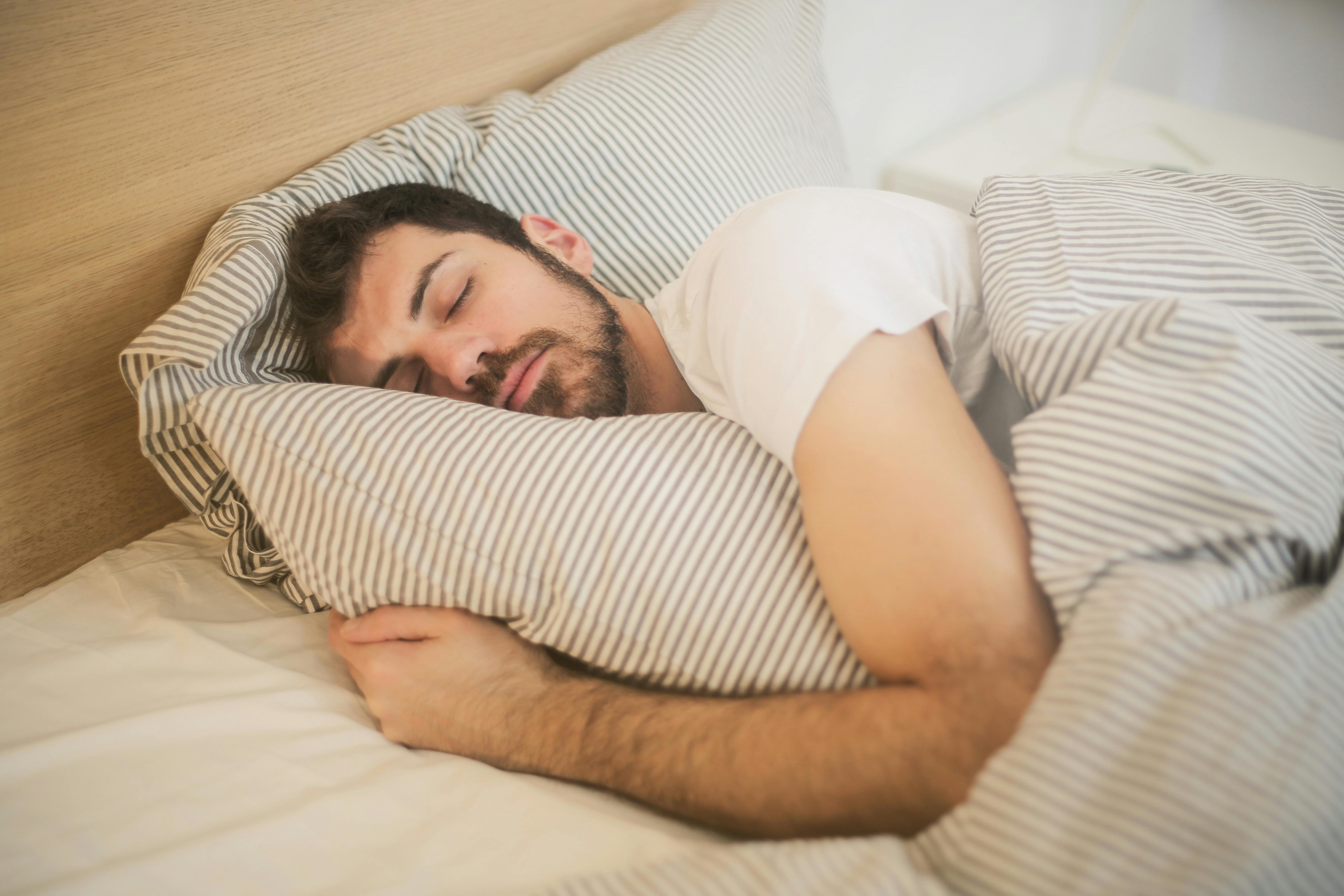
One of the most overlooked aspects of healthy sleep is the transition period between daytime activity and nighttime rest. The brain does not instantly switch from a highly stimulated state into deep sleep. Instead, the nervous system requires time to gradually slow down and shift from alertness into relaxation.
Modern lifestyles often interfere with this natural transition. Many people spend their evenings answering emails, scrolling through social media, watching intense television programs, multitasking, or dealing with work-related stress until the moment they attempt to sleep. As a result, the brain remains mentally active long after the lights are turned off.
A consistent bedtime routine acts as a signal to the body that sleep is approaching. Repeated calming activities help create psychological and neurological associations with sleep readiness. Over time, the brain begins responding automatically to these cues, making it easier to relax and fall asleep naturally.
According to the Sleep Foundation , developing a predictable pre-sleep routine is one of the most effective behavioral strategies for improving sleep quality and reducing sleep latency.
Healthy bedtime routines do not need to be complicated. The most effective routines are usually simple, consistent, and calming. The goal is to reduce stimulation and prepare the body physiologically and psychologically for rest.
Examples of Relaxing Bedtime Activities
- Reading a physical book
- Listening to calming music
- Taking a warm shower or bath
- Practicing deep breathing exercises
- Gentle stretching or yoga
- Mindfulness meditation
- Writing in a journal
- Prayer or spiritual reflection
- Reducing exposure to bright lights
Warm showers and baths may improve sleep by supporting the body’s natural thermoregulation process. After leaving a warm bath, body temperature gradually decreases, which may help trigger feelings of sleepiness.
Mindfulness meditation and controlled breathing exercises can also reduce activation of the sympathetic nervous system, commonly known as the “fight or flight” response. Research suggests these techniques lower heart rate, reduce stress hormones, and calm racing thoughts that commonly interfere with sleep.
The National Center for Complementary and Integrative Health notes that mindfulness-based interventions may help improve sleep quality in some individuals with insomnia and stress-related sleep disturbances.
Individuals who struggle with chronic stress may benefit from combining bedtime routines with daytime stress management strategies. Chronic psychological stress increases cortisol production, which can significantly disrupt sleep quality.
The key to an effective bedtime routine is consistency. Repeating calming behaviors nightly helps condition the brain to associate those actions with rest and sleep preparation.
3. Reduce Screen Exposure Before Bed

Modern technology has become one of the biggest challenges to healthy sleep hygiene. Smartphones, televisions, tablets, gaming devices, and laptops expose the brain to constant stimulation late into the evening. Beyond mental engagement, electronic devices emit blue light that directly interferes with the body’s sleep-regulating mechanisms.
Blue light suppresses the production of melatonin, the hormone primarily responsible for signaling the body that it is time to sleep. Under normal conditions, melatonin levels begin rising in the evening as natural light decreases. However, exposure to artificial blue light can delay this process and confuse the brain into interpreting nighttime as daytime.
Research from Harvard Medical School demonstrates that blue wavelengths have a particularly powerful effect on suppressing melatonin and shifting circadian rhythms.
This disruption can lead to:
- Difficulty falling asleep
- Delayed sleep onset
- Reduced REM sleep
- Poor sleep quality
- Morning fatigue
- Daytime sleepiness
- Reduced concentration
The issue extends beyond light exposure alone. Digital content itself can overstimulate the brain emotionally and cognitively. Social media interactions, emotionally charged videos, work emails, online gaming, and endless scrolling activate alertness systems in the brain precisely when relaxation should occur.
Notifications and device alerts can also create a state of hypervigilance, making it difficult for the nervous system to fully disengage.
How to Reduce Screen-Related Sleep Disruption
- Avoid screens at least 60–90 minutes before bed
- Enable blue-light filtering settings
- Use “night mode” features on devices
- Reduce brightness settings in the evening
- Keep phones away from the bed
- Avoid emotionally stimulating content before sleep
- Replace scrolling with relaxing activities
If eliminating screens completely is unrealistic, gradual reduction strategies can still provide meaningful benefits. Even dimming lights and limiting device exposure during the final hour before bed may improve melatonin production and sleep quality.
According to the Sleep Foundation , minimizing artificial light exposure before bedtime is one of the most important ways to support healthy circadian rhythms.
Emerging evidence also suggests that excessive nighttime digital stimulation may negatively affect mental health, stress levels, and cognitive recovery over time.
4. Optimize Your Bedroom Environment

Your sleep environment significantly influences the quality, duration, and continuity of your sleep. Even minor disturbances such as excess light, uncomfortable temperatures, background noise, or poor bedding quality can interfere with the body’s ability to enter deep restorative sleep stages.
The bedroom should ideally function as a calm, quiet, cool, and comfortable space associated primarily with sleep and relaxation.
Light Exposure and Sleep
Light is one of the strongest biological signals affecting the circadian rhythm. Exposure to light during nighttime suppresses melatonin production and promotes wakefulness.
Even relatively small amounts of artificial light from:
- Streetlights
- Electronic devices
- Televisions
- Alarm clocks
- Indoor lighting
may negatively affect sleep quality in sensitive individuals.
Helpful strategies include:
- Using blackout curtains
- Turning off unnecessary electronics
- Dimming household lighting before bed
- Using sleep masks if needed
Noise Control
Noise disruptions—even when they do not fully awaken you—can interrupt normal sleep cycles. Repeated nighttime arousals reduce sleep efficiency and limit deep restorative sleep.
People living in busy urban areas or noisy environments may benefit from:
- White noise machines
- Fans
- Soft ambient sound
- Earplugs
Consistent background sound can help mask sudden environmental noises and stabilize the sleep environment.
Bedroom Temperature
Body temperature naturally decreases as the body prepares for sleep. Cooler room temperatures generally support this physiological process more effectively than excessively warm environments.
Most sleep experts recommend maintaining bedroom temperatures around:
18–21°C (65–70°F)
according to guidance from the Cleveland Clinic .
Comfort and Bedding Quality
Poor mattress support, uncomfortable pillows, and low-quality bedding may contribute to nighttime discomfort, body pain, overheating, and repeated awakenings.
Supportive mattresses and breathable bedding materials often improve sleep continuity and physical comfort during the night.
The Sleep Foundation emphasizes that optimizing sleep environments can substantially improve overall sleep quality and daytime functioning.
5. Limit Caffeine Intake in the Evening

Caffeine is one of the most commonly consumed psychoactive stimulants worldwide. While moderate caffeine intake can temporarily improve alertness, concentration, and energy levels, consuming caffeine too late in the day can significantly interfere with sleep quality.
Caffeine works primarily by blocking adenosine receptors in the brain. Adenosine is a naturally occurring chemical that gradually accumulates throughout the day and promotes sleepiness as wakefulness continues.
When caffeine blocks adenosine signaling, the brain temporarily loses part of its normal “sleep pressure” signal. As a result, individuals often feel more awake even when their bodies physiologically require rest.
The problem is that caffeine remains active in the body for many hours. According to the Sleep Foundation , the half-life of caffeine averages around five hours, though this varies significantly between individuals.
This means that caffeine consumed late in the afternoon may still be affecting the nervous system late at night.
Common Sources of Caffeine
- Coffee
- Tea
- Energy drinks
- Soft drinks
- Chocolate
- Pre-workout supplements
- Weight-loss products
Some individuals metabolize caffeine more slowly due to genetics, medications, pregnancy, liver function, or medical conditions. These individuals may experience sleep disruption even from moderate daytime caffeine intake.
Signs Caffeine May Be Affecting Your Sleep
- Difficulty falling asleep
- Feeling “tired but wired”
- Restless sleep
- Frequent nighttime awakenings
- Morning fatigue despite adequate sleep duration
- Heart palpitations or jitteriness
Most sleep experts recommend avoiding caffeine at least 6–8 hours before bedtime. Individuals with severe insomnia or high caffeine sensitivity may benefit from reducing intake even earlier in the day.
Hydration, balanced nutrition, physical activity, and consistent sleep schedules often improve daytime energy naturally without relying heavily on stimulants.
6. Avoid Alcohol Close to Bedtime

Alcohol is commonly misunderstood as a sleep aid because it initially produces feelings of relaxation and sedation. While alcohol may help some individuals fall asleep faster, research consistently shows that it significantly disrupts sleep quality later in the night.
Alcohol interferes with normal sleep architecture, particularly REM (rapid eye movement) sleep, which plays an important role in emotional processing, memory consolidation, cognitive restoration, and neurological recovery.
As alcohol is metabolized during the night, it often leads to:
- Frequent awakenings
- Fragmented sleep
- Lighter sleep stages
- Reduced REM sleep
- Increased snoring
- Worsening sleep apnea symptoms
- Morning fatigue
According to the Sleep Foundation , alcohol consumption before bed is strongly associated with lower sleep quality and increased nighttime disruptions.
Alcohol also relaxes muscles in the airway, which can worsen snoring and obstructive sleep apnea in susceptible individuals. This may reduce oxygen levels during sleep and contribute to excessive daytime sleepiness.
Although some people believe alcohol helps them “sleep better,” the sedative effects are not equivalent to healthy restorative sleep.
Healthier Evening Alternatives
- Herbal tea (non-caffeinated)
- Warm milk
- Reading
- Meditation
- Breathing exercises
- Gentle stretching
- Calming music
Reducing evening alcohol intake often leads to noticeable improvements in sleep continuity, energy levels, concentration, and daytime functioning within a relatively short period.
Continue Reading
Part 3 will continue with:
- Getting Natural Light During the Day
- Exercise and Sleep Quality
- Nutrition and Evening Meals
- Stress and Anxiety Management
- Daytime Napping
- When to Seek Medical Help
- Sleep disorders and warning signs
- Expanded FAQs
- More evidence-based medical explanations
- Additional SEO optimization and internal linking
7. Get Natural Light During the Day

Natural light exposure plays a central role in regulating the body’s internal biological clock, also known as the circadian rhythm. Although many people associate sleep only with nighttime habits, daytime behaviors—especially exposure to sunlight—have a major influence on how well the brain and body prepare for sleep later in the evening.
The circadian rhythm functions as a 24-hour timing system that regulates sleep, alertness, hormone release, metabolism, digestion, body temperature, immune activity, and cognitive performance. This internal clock relies heavily on environmental light cues to stay synchronized.
When natural sunlight enters the eyes, specialized retinal cells send signals to a region of the brain called the suprachiasmatic nucleus, which acts as the body’s “master clock.” This process helps suppress melatonin production during the day and promotes alertness, energy, and mental focus.
As daylight decreases in the evening, melatonin levels naturally rise, signaling the body to prepare for sleep.
According to the Sleep Foundation , consistent exposure to natural daylight is one of the most important factors in maintaining healthy circadian rhythms and improving sleep quality.
Why Lack of Daylight Can Disrupt Sleep
Modern indoor lifestyles often limit exposure to natural sunlight. Many individuals spend most of the day inside offices, homes, vehicles, classrooms, or indoor environments with relatively dim artificial lighting.
Insufficient daylight exposure can weaken circadian rhythm signals and contribute to:
- Difficulty falling asleep
- Delayed sleep timing
- Daytime fatigue
- Reduced alertness
- Brain fog
- Low mood
- Seasonal mood changes
Morning sunlight appears especially beneficial because it helps anchor the circadian rhythm early in the day. Research suggests that exposure to bright natural light shortly after waking may improve nighttime melatonin production later in the evening.
Simple Ways to Increase Natural Light Exposure
- Take a morning walk outdoors
- Open curtains immediately after waking
- Exercise outside when possible
- Work near windows
- Spend time outdoors during lunch breaks
- Reduce unnecessary indoor isolation
Even cloudy daylight provides substantially stronger circadian signals than most indoor lighting.
Natural light exposure also supports mental health, mood stability, focus, and daytime energy levels. Some studies suggest regular sunlight exposure may improve serotonin regulation, which is linked to mood and emotional well-being.
The National Heart, Lung, and Blood Institute emphasizes that healthy circadian rhythm regulation is an important part of maintaining overall sleep health and long-term wellness.
8. Exercise Regularly

Regular physical activity is strongly associated with improved sleep quality, better mood regulation, healthier metabolism, reduced stress levels, and improved overall health. Exercise influences sleep through multiple physiological pathways, making it one of the most effective natural strategies for supporting restorative sleep.
People who engage in regular physical activity often report:
- Falling asleep faster
- Sleeping more deeply
- Experiencing fewer nighttime awakenings
- Improved daytime energy
- Better emotional well-being
Exercise affects the body’s temperature regulation, hormone balance, stress response, metabolism, and circadian rhythm. During physical activity, body temperature rises temporarily. After exercise ends, body temperature gradually declines, which may help promote feelings of sleepiness later.
Physical activity also helps regulate stress hormones such as cortisol and supports the release of endorphins and mood-stabilizing neurotransmitters.
According to the Sleep Foundation , regular moderate exercise is associated with improved sleep efficiency and increased slow-wave sleep, which is one of the deepest and most restorative stages of sleep.
Best Types of Exercise for Sleep
- Walking
- Jogging
- Cycling
- Swimming
- Strength training
- Yoga
- Stretching routines
- Low-impact aerobic exercise
Even moderate activity levels can produce meaningful benefits. Research shows that regular movement is often more important than exercise intensity.
For sedentary individuals, simple daily walks may significantly improve sleep quality over time.
Timing Matters
Although exercise generally improves sleep, intense physical activity immediately before bedtime may increase alertness temporarily in some individuals.
High-intensity workouts can elevate:
- Heart rate
- Body temperature
- Adrenaline levels
- Nervous system activation
For many people, morning or afternoon exercise provides the best sleep benefits. However, tolerance varies individually, and some people can exercise comfortably in the evening without sleep disruption.
The key is consistency. Maintaining regular physical activity helps strengthen the body’s natural sleep-wake rhythm and improves overall health simultaneously.
9. Eat Light Meals at Night

Evening eating habits can significantly influence sleep quality. Heavy meals, excessive portions, spicy foods, high-fat meals, and eating too close to bedtime may interfere with the body’s ability to transition comfortably into sleep.
Digestion is an active physiological process. When large meals are consumed late at night, the digestive system remains highly active during hours when the body is naturally preparing for rest and recovery.
This can contribute to:
- Indigestion
- Acid reflux
- Bloating
- Abdominal discomfort
- Nighttime awakenings
- Difficulty falling asleep
Individuals with gastroesophageal reflux disease (GERD) are especially vulnerable to nighttime symptoms when lying down shortly after eating.
The Sleep Foundation recommends avoiding large meals close to bedtime and allowing sufficient time for digestion before sleeping.
Foods That May Disrupt Sleep
- Very spicy foods
- Heavy fried meals
- Excess sugar
- Highly processed foods
- Large portions
- Late-night fast food
Healthier Evening Food Choices
If hunger occurs before bed, lighter balanced snacks are generally preferable to large meals.
Examples include:
- Bananas
- Yogurt
- Oatmeal
- Whole-grain crackers
- Small portions of nuts
- Fruit
Some foods naturally contain nutrients involved in sleep regulation, including:
- Magnesium
- Tryptophan
- Melatonin
However, healthy eating patterns matter more overall than relying on individual “sleep foods.”
Balanced diets rich in:
- Vegetables
- Fruits
- Whole grains
- Lean proteins
- Healthy fats
support metabolic stability, hormone regulation, cardiovascular health, and long-term sleep quality.
Nutrition also strongly influences overall wellness and daytime energy.
You may also enjoy:
10. Manage Stress and Anxiety

Stress is one of the most common contributors to sleep difficulties worldwide. Emotional tension, anxiety, overthinking, work-related pressure, financial concerns, health worries, relationship stress, and constant mental stimulation can all interfere with the brain’s ability to relax at night.
Under stress, the body activates the sympathetic nervous system—the “fight or flight” response. This system increases alertness and prepares the body to respond to perceived threats.
Stress activation triggers physiological changes such as:
- Elevated cortisol levels
- Increased heart rate
- Muscle tension
- Heightened mental alertness
- Rapid thinking
- Anxiety
These reactions are useful during emergencies but problematic when they remain chronically activated during bedtime.
According to the National Institute of Mental Health , stress and anxiety can significantly interfere with sleep quality, emotional health, and daily functioning.
How Stress Disrupts Sleep
Stress commonly contributes to:
- Difficulty falling asleep
- Frequent nighttime awakenings
- Early morning waking
- Restless sleep
- Nighttime rumination
- Fatigue despite adequate sleep duration
Unfortunately, poor sleep also increases stress sensitivity, creating a cycle in which stress worsens sleep and poor sleep worsens stress.
Evidence-Based Stress Reduction Techniques
- Mindfulness meditation
- Deep breathing exercises
- Progressive muscle relaxation
- Journaling
- Prayer or spiritual reflection
- Reducing evening overstimulation
- Limiting negative news consumption
- Regular physical activity
- Social connection and emotional support
Journaling before bed can be especially helpful for individuals who experience racing thoughts. Writing down concerns, plans, or unfinished tasks may reduce repetitive thinking during the night.
The American Psychological Association notes that chronic stress affects both physical and mental health and may substantially impair sleep quality.
Long-term stress management is not only important for sleep but also for cardiovascular health, immune function, mental well-being, and cognitive performance.
Part 4 will continue with:
- Limiting Daytime Napping
- Recognizing When to Seek Medical Help
- Sleep apnea and insomnia warning signs
- Common medical causes of poor sleep
- Expanded Frequently Asked Questions
- Long-term health risks of sleep deprivation
- Advanced sleep science explanations
- Professional medical references
- SEO optimization and structured content
11. Limit Daytime Napping

Daytime naps can sometimes be beneficial, especially when individuals are sleep-deprived, recovering from illness, working irregular schedules, or experiencing temporary fatigue. Short naps may improve alertness, concentration, mood, and reaction time. However, excessive daytime napping or poorly timed naps can interfere significantly with nighttime sleep quality.
The body naturally builds up sleep pressure throughout the day. This process is part of the homeostatic sleep drive, which gradually increases the desire for sleep as wakefulness continues. When long naps occur during the day, some of this sleep pressure is reduced, making it more difficult to fall asleep naturally at night.
According to the Sleep Foundation , poorly timed or prolonged naps can contribute to insomnia symptoms and nighttime sleep disruption in some individuals.
Benefits of Short Naps
When used appropriately, short naps may:
- Improve focus and concentration
- Reduce temporary fatigue
- Enhance mood
- Improve alertness
- Support short-term cognitive performance
Research suggests that naps lasting approximately 20–30 minutes may provide the greatest benefits while minimizing post-nap grogginess and nighttime sleep interference.
Problems Caused by Long or Late Naps
Excessive napping can contribute to:
- Difficulty falling asleep at night
- Reduced sleep pressure
- Fragmented nighttime sleep
- Circadian rhythm disruption
- Morning fatigue
- Sleep inertia (grogginess after waking)
Long naps may also push the brain into deeper sleep stages, making waking more difficult and increasing feelings of confusion or sluggishness afterward.
Best Practices for Healthy Napping
- Limit naps to 20–30 minutes
- Nap earlier in the afternoon
- Avoid naps late in the evening
- Maintain consistent nighttime sleep schedules
- Use naps strategically rather than routinely
Individuals with chronic insomnia may benefit from temporarily avoiding naps altogether while reestablishing healthy nighttime sleep patterns.
The Centers for Disease Control and Prevention (CDC) notes that controlled short naps may help improve alertness for shift workers, though long-term sleep schedule management remains essential.
Sleep quality at night remains far more important than daytime napping for long-term health and restorative rest.
12. Recognize When to Seek Medical Help

Although sleep hygiene strategies can substantially improve sleep quality for many people, persistent or severe sleep problems sometimes indicate underlying medical conditions that require professional evaluation and treatment.
Chronic sleep difficulties should never be ignored, particularly when they begin affecting physical health, emotional well-being, workplace performance, concentration, safety, or daily functioning.
Occasional poor sleep is normal and may occur during stressful periods, illness, travel, or life changes. However, ongoing sleep disturbances lasting several weeks or months may suggest the presence of a sleep disorder or other medical issue.
According to the National Heart, Lung, and Blood Institute , millions of individuals worldwide experience undiagnosed sleep disorders that negatively affect long-term health outcomes.
Warning Signs That Should Not Be Ignored
- Chronic insomnia
- Difficulty falling asleep most nights
- Frequent nighttime awakenings
- Excessive daytime sleepiness
- Loud chronic snoring
- Breathing pauses during sleep
- Morning headaches
- Extreme fatigue despite adequate sleep duration
- Difficulty concentrating
- Mood changes related to sleep deprivation
Persistent symptoms may indicate conditions such as:
- Insomnia disorder
- Obstructive sleep apnea
- Restless leg syndrome
- Circadian rhythm disorders
- Narcolepsy
- Depression-related sleep disturbance
- Anxiety-related insomnia
Obstructive Sleep Apnea
Obstructive sleep apnea (OSA) is one of the most common yet underdiagnosed sleep disorders. OSA occurs when the airway repeatedly collapses during sleep, temporarily interrupting breathing and reducing oxygen levels.
Symptoms commonly include:
- Loud snoring
- Gasping during sleep
- Morning headaches
- Dry mouth upon waking
- Daytime sleepiness
- Poor concentration
Untreated sleep apnea is associated with increased risks of:
- Hypertension
- Heart disease
- Stroke
- Type 2 diabetes
- Arrhythmias
- Cognitive impairment
The Sleep Foundation explains that early diagnosis and treatment of sleep apnea can significantly improve both sleep quality and long-term health outcomes.
Chronic Insomnia
Insomnia is characterized by persistent difficulty falling asleep, staying asleep, or achieving restorative sleep despite adequate opportunity for rest.
Chronic insomnia may be influenced by:
- Stress and anxiety
- Depression
- Poor sleep habits
- Medical conditions
- Medication side effects
- Substance use
- Hormonal changes
Evidence-based treatments such as Cognitive Behavioral Therapy for Insomnia (CBT-I) are often highly effective and are recommended by many sleep specialists before long-term sleep medication use.
The National Heart, Lung, and Blood Institute notes that CBT-I may improve long-term sleep outcomes more sustainably than medication alone for many individuals.
Keeping a Sleep Diary
Individuals preparing for medical evaluation may benefit from tracking:
- Bedtimes
- Wake times
- Nighttime awakenings
- Caffeine intake
- Alcohol use
- Stress levels
- Napping habits
- Exercise routines
Sleep diaries help identify behavioral patterns and provide useful information during professional consultations.
Long-Term Health Risks of Poor Sleep
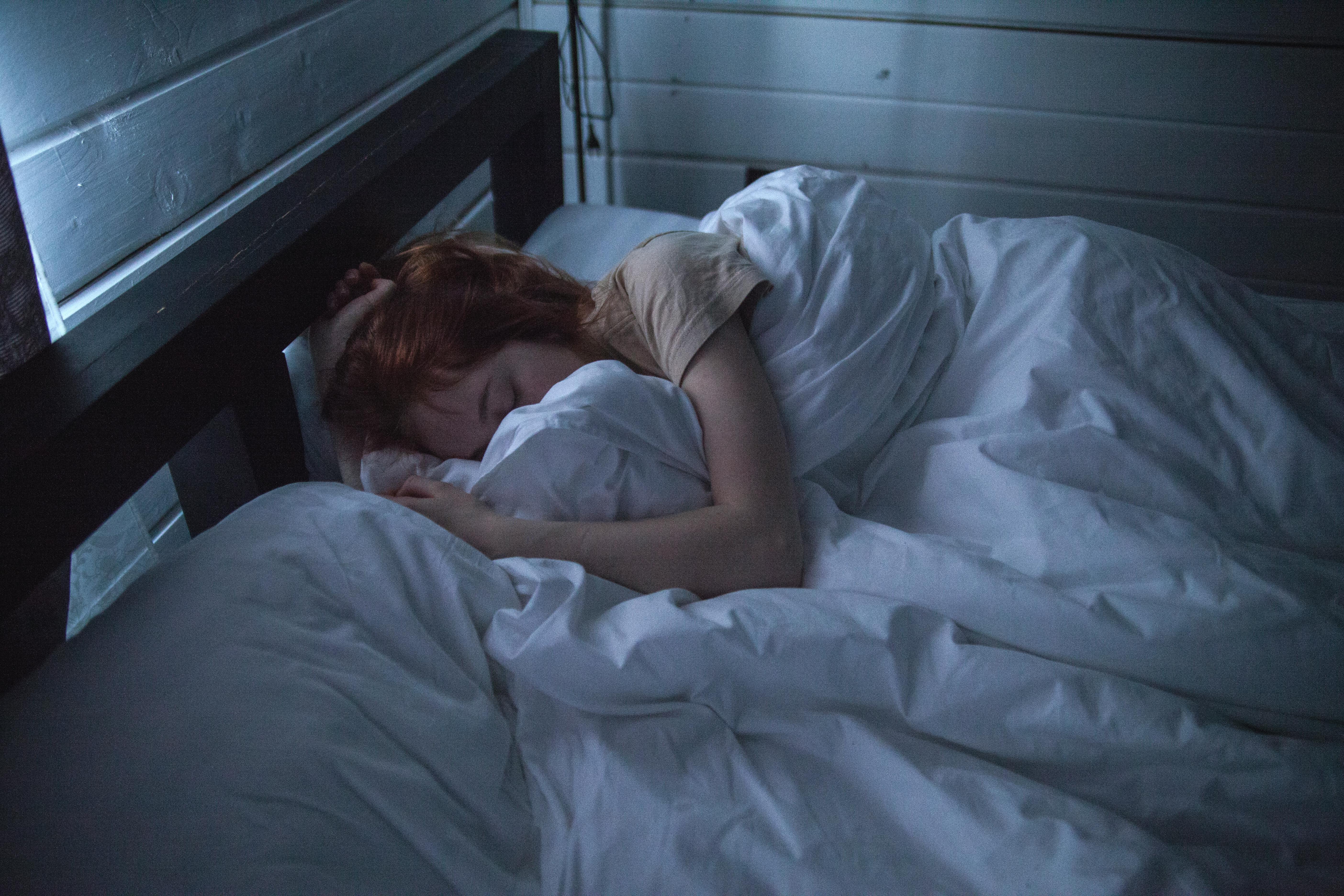
Sleep deprivation affects virtually every major organ system in the body. While short periods of poor sleep may cause temporary fatigue, chronic sleep deficiency creates cumulative physiological stress that increases long-term disease risk.
Research continues to demonstrate strong associations between inadequate sleep and:
- Cardiovascular disease
- High blood pressure
- Stroke
- Obesity
- Insulin resistance
- Type 2 diabetes
- Immune dysfunction
- Mental health disorders
- Memory impairment
- Cognitive decline
The CDC states that insufficient sleep is linked to numerous chronic diseases and reduced overall health.
Sleep and Immune Function
The immune system relies heavily on adequate sleep for proper function. During sleep, the body produces cytokines and immune-regulating proteins involved in fighting infections and inflammation.
Chronic sleep deprivation may weaken immune responses and increase susceptibility to viral infections, prolonged illness recovery, and systemic inflammation.
Sleep and Mental Health
Sleep and mental health are deeply interconnected. Poor sleep can worsen:
- Anxiety
- Depression
- Stress sensitivity
- Emotional regulation
- Irritability
Likewise, mental health conditions themselves often disrupt sleep quality, creating a bidirectional cycle between sleep disturbance and emotional distress.
Sleep and Brain Function
During sleep, the brain performs important restorative processes related to:
- Memory consolidation
- Learning
- Emotional processing
- Waste clearance
- Neural recovery
Emerging research suggests that chronic poor sleep may contribute to long-term neurodegenerative processes and impaired cognitive aging.
Understanding Sleep Stages and Sleep Cycles

Sleep occurs in repeating cycles throughout the night. Each cycle contains different stages that contribute uniquely to physical restoration, cognitive recovery, hormonal balance, and emotional processing.
The two major categories of sleep are:
- Non-REM sleep
- REM (Rapid Eye Movement) sleep
Non-REM Sleep
Non-REM sleep includes lighter sleep stages followed by deeper slow-wave sleep. Deep sleep is especially important for:
- Physical recovery
- Tissue repair
- Immune function
- Growth hormone release
- Energy restoration
REM Sleep
REM sleep is associated with:
- Dreaming
- Memory processing
- Learning consolidation
- Emotional regulation
- Neurological recovery
Healthy sleep involves cycling repeatedly through these stages during the night. Disruptions caused by alcohol, stress, sleep apnea, excessive caffeine, or irregular sleep schedules can fragment these cycles and reduce restorative sleep quality.
According to the National Institute of Neurological Disorders and Stroke , sleep architecture is essential for healthy brain and body function.
Continue Reading
Part 5 will continue with:
- Expanded Frequently Asked Questions
- Sleep myths and misconceptions
- Sleep hygiene for shift workers
- Sleep tips for older adults
- Sleep and mental health
- Sleep and immunity
- Advanced evidence-based wellness explanations
- Additional internal and external SEO links
- Professional medical references
Frequently Asked Questions About Sleep Hygiene

Sleep is one of the most researched areas of human health, yet many people still have questions about how sleep works and what habits genuinely improve sleep quality. Misunderstandings about sleep often lead people to adopt ineffective routines or ignore symptoms that may require attention.
This section addresses some of the most common questions about sleep hygiene using evidence-based explanations from credible medical and scientific sources.
How many hours of sleep do adults need?
Most healthy adults require at least seven hours of sleep each night for optimal physical and mental health. Some individuals function best with slightly more sleep, while others may naturally require slightly less. However, consistently sleeping fewer than six hours per night is associated with increased risks of cardiovascular disease, obesity, diabetes, impaired immunity, and cognitive dysfunction.
The Centers for Disease Control and Prevention (CDC) recommends:
- Adults: 7–9 hours
- Teenagers: 8–10 hours
- School-age children: 9–12 hours
Sleep needs vary slightly based on genetics, health conditions, activity levels, stress, and age.
Can sleep hygiene cure insomnia?
Sleep hygiene can significantly improve sleep quality and mild insomnia symptoms in many individuals, especially when poor sleep is linked to behavioral or environmental factors. However, chronic insomnia may involve more complex psychological, neurological, or medical causes that require professional treatment.
Sleep hygiene is often considered a foundational component of insomnia management, but some individuals may also benefit from:
- Cognitive Behavioral Therapy for Insomnia (CBT-I)
- Stress management therapy
- Treatment of underlying medical conditions
- Mental health support
- Sleep disorder evaluation
The National Heart, Lung, and Blood Institute identifies CBT-I as one of the most effective evidence-based treatments for chronic insomnia.
What is the most important sleep hygiene habit?
Although multiple factors influence sleep quality, maintaining a consistent sleep and wake schedule is widely considered one of the most important habits for regulating circadian rhythms.
Consistent wake-up times help stabilize the body’s internal clock and improve melatonin timing, sleep pressure regulation, and overall sleep efficiency.
Many sleep specialists emphasize that consistency matters more than perfection. Small improvements maintained regularly often produce better long-term results than extreme but unsustainable changes.
Does watching television before bed affect sleep?
Yes. Television screens emit blue light that may suppress melatonin production and delay sleep onset. Additionally, emotionally stimulating content, loud sounds, suspenseful programs, and late-night binge watching can increase mental alertness before bedtime.
Reducing screen exposure during the final hour before sleep generally supports healthier circadian rhythm regulation.
According to Cleveland Clinic , late-night television viewing may negatively affect both sleep duration and sleep quality.
Is it bad to use your phone in bed?
Using smartphones in bed is strongly associated with delayed sleep onset and poorer sleep quality. Phones combine multiple sleep-disrupting factors simultaneously, including:
- Blue light exposure
- Mental stimulation
- Emotional engagement
- Social media interaction
- Notifications and alerts
Keeping phones away from the bed and establishing device-free nighttime routines may improve sleep quality significantly over time.
Can exercise improve sleep?
Yes. Regular physical activity is associated with deeper sleep, improved sleep efficiency, reduced stress, and better circadian rhythm regulation.
Moderate exercise appears particularly beneficial for sleep quality. However, very intense exercise immediately before bedtime may temporarily increase alertness in some individuals.
Can stress alone cause sleep problems?
Stress is one of the leading causes of insomnia and sleep disruption worldwide. Chronic stress activates the nervous system and elevates cortisol levels, which interfere with the body’s ability to relax and transition into restorative sleep.
Stress-related sleep difficulties may involve:
- Racing thoughts
- Difficulty falling asleep
- Frequent awakenings
- Nightmares
- Early morning waking
Stress management strategies such as mindfulness, relaxation techniques, physical activity, and structured bedtime routines may help reduce these symptoms.
What foods help with sleep?
No single food guarantees better sleep, but balanced diets rich in whole foods may support healthier sleep patterns overall.
Certain foods naturally contain nutrients involved in sleep regulation, including:
- Magnesium
- Tryptophan
- Melatonin
Examples include:
- Bananas
- Oats
- Nuts
- Yogurt
- Tart cherries
- Leafy vegetables
Heavy meals, excess sugar, and late-night eating are more strongly associated with poor sleep than any single “sleep food” is with improved sleep.
Common Sleep Myths and Misconceptions

Misinformation about sleep is extremely common. Many unhealthy habits become normalized because of widespread myths surrounding productivity, rest, and lifestyle.
Myth 1: “You can train yourself to need very little sleep.”
Although some individuals naturally require slightly less sleep than others, most adults cannot function optimally on chronically restricted sleep without physiological consequences.
Research consistently shows that chronic sleep deprivation impairs:
- Cognitive performance
- Reaction time
- Decision-making
- Immune function
- Metabolic regulation
People often adapt subjectively to fatigue and underestimate the degree of impairment they experience.
Myth 2: “Alcohol improves sleep.”
Alcohol may initially produce sedation, but it disrupts normal sleep architecture later in the night and reduces overall sleep quality.
Myth 3: “Lying in bed resting is the same as sleeping.”
Quiet rest may still provide some relaxation benefits, but restorative sleep involves distinct neurological and physiological processes that cannot be fully replaced by wakeful rest.
Myth 4: “Snoring is harmless.”
Although occasional snoring may not indicate serious disease, loud chronic snoring combined with gasping, choking, or excessive daytime sleepiness may indicate obstructive sleep apnea.
The Sleep Foundation notes that chronic loud snoring should not be ignored, particularly when accompanied by breathing interruptions.
Myth 5: “Older adults need much less sleep.”
Sleep patterns often change with age, but older adults still require adequate sleep for healthy functioning. Aging may affect sleep timing, sleep fragmentation, and circadian rhythms, but restorative sleep remains critically important throughout life.
Sleep Hygiene for Shift Workers

Shift workers face unique sleep challenges because irregular work hours often conflict with natural circadian rhythms. Nurses, healthcare professionals, security workers, factory workers, emergency responders, transportation workers, and many other professionals frequently experience disrupted sleep schedules.
Shift work sleep disruption may contribute to:
- Fatigue
- Insomnia
- Digestive problems
- Mood disturbances
- Reduced concentration
- Increased accident risk
The CDC National Institute for Occupational Safety and Health states that irregular work schedules can significantly disrupt circadian rhythm regulation.
Helpful Sleep Strategies for Shift Workers
- Use blackout curtains during daytime sleep
- Wear eye masks if needed
- Reduce caffeine late in shifts
- Keep sleep schedules as consistent as possible
- Use bright light strategically during waking hours
- Limit screen exposure before sleep
- Prioritize recovery sleep after demanding shifts
Healthcare workers and shift workers often underestimate the cumulative effects of chronic sleep deprivation. Prioritizing recovery sleep and healthy routines is essential for long-term health and workplace safety.
Sleep and Aging

Sleep patterns naturally change with age. Older adults often experience lighter sleep, earlier waking times, and more fragmented sleep cycles. However, healthy sleep remains critically important for cognitive function, emotional health, immune support, and physical recovery throughout aging.
Common age-related sleep changes include:
- Earlier bedtimes
- Earlier waking times
- Reduced deep sleep
- More nighttime awakenings
- Increased sensitivity to caffeine
Medical conditions, chronic pain, medications, reduced physical activity, and mental health changes may also contribute to sleep difficulties in older adults.
The National Institute on Aging emphasizes that maintaining healthy sleep routines remains important throughout older adulthood.
Sleep and Immune Health

Sleep plays a major role in immune regulation and infection defense. During sleep, the body produces cytokines and immune-regulating proteins involved in fighting infections, controlling inflammation, and supporting recovery.
Research suggests that chronic sleep deprivation may weaken immune function and increase susceptibility to viral illnesses.
According to the Sleep Foundation , sleep deficiency may impair immune responses and prolong recovery from illness.
Adequate sleep supports:
- Inflammation control
- Immune memory
- Vaccine response
- Tissue recovery
- Hormonal balance
Prioritizing sleep is therefore not only important for energy and mental clarity but also for maintaining long-term physical resilience and overall health.
Continue Reading
Part 6 will include:
- Complete professional conclusion
- Final expert sleep recommendations
- Daily sleep improvement checklist
- Action plan for better sleep naturally
- Professional references and citations
- Medical disclaimer
- SEO tags
- Meta search description
- Suggested internal linking structure
- Structured schema markup
Daily Sleep Hygiene Checklist

Building healthier sleep patterns usually requires consistent daily habits rather than temporary quick fixes. Small repeated behaviors influence circadian rhythms, hormone regulation, nervous system activity, and overall sleep quality over time.
This practical checklist summarizes many of the evidence-based sleep hygiene principles discussed throughout this guide. Even implementing a few of these habits consistently may produce meaningful improvements in sleep quality and daytime functioning.
Healthy Sleep Hygiene Daily Checklist
- Wake up at the same time every day
- Get morning sunlight exposure
- Exercise regularly
- Limit excessive caffeine intake
- Avoid heavy meals close to bedtime
- Reduce alcohol consumption at night
- Minimize screen exposure before sleep
- Create a calm nighttime routine
- Keep the bedroom cool, dark, and quiet
- Manage stress consistently
- Limit long daytime naps
- Prioritize adequate sleep duration
Sleep improvement is often gradual rather than immediate. Some individuals notice meaningful benefits within several days, while others may require weeks of consistent habits before experiencing major changes.
The key is consistency rather than perfection.
A Simple 7-Day Action Plan for Better Sleep

For individuals feeling overwhelmed by too many recommendations, starting with a simple structured plan may feel more manageable. Rather than trying to change every habit immediately, gradual adjustments are often more sustainable and realistic.
Day 1: Establish a Consistent Wake-Up Time
Choose a realistic wake-up time and maintain it consistently, including weekends when possible.
Day 2: Improve Morning Light Exposure
Spend at least 20–30 minutes outside in natural daylight after waking.
Day 3: Reduce Evening Screen Exposure
Avoid phones, televisions, and laptops during the final hour before sleep.
Day 4: Optimize the Bedroom Environment
Reduce noise, dim lights, cool the room, and improve bedding comfort.
Day 5: Improve Evening Nutrition Habits
Avoid heavy meals, excess sugar, and late-night caffeine intake.
Day 6: Build a Relaxation Routine
Introduce calming nighttime activities such as reading, stretching, breathing exercises, or journaling.
Day 7: Evaluate Sleep Patterns
Track improvements, identify ongoing sleep barriers, and continue building consistent habits moving forward.
Long-term success usually depends on maintaining healthy routines consistently over time rather than searching for temporary solutions.
Conclusion
Sleep is one of the most powerful biological processes supporting physical health, mental clarity, emotional stability, metabolic balance, immune defense, and long-term well-being. Despite this, sleep is often sacrificed in modern lifestyles filled with stress, overstimulation, irregular schedules, excessive screen use, and chronic busyness.
Poor sleep affects far more than energy levels alone. Chronic sleep disruption influences cardiovascular health, hormone balance, cognitive function, mood regulation, productivity, immune resilience, and overall quality of life.
Fortunately, improving sleep quality often begins with practical behavioral and environmental changes rather than complicated interventions. Evidence-based sleep hygiene habits help restore alignment between the body’s natural circadian rhythms and daily routines.
Maintaining consistent sleep schedules, reducing nighttime stimulation, limiting caffeine and alcohol intake, managing stress, exercising regularly, optimizing the sleep environment, and prioritizing recovery are all scientifically supported strategies for improving sleep naturally.
Healthy sleep should not be viewed as a luxury or optional wellness trend. It is a foundational biological requirement that influences virtually every major system in the body.
Individuals who prioritize sleep often experience:
- Improved daytime energy
- Better concentration and focus
- Enhanced emotional resilience
- Healthier metabolism
- Improved immune function
- Reduced stress levels
- Better physical recovery
- Higher productivity
- Improved long-term wellness
If sleep problems remain severe or persistent despite healthy sleep hygiene practices, professional medical evaluation is important. Conditions such as insomnia disorder, obstructive sleep apnea, restless leg syndrome, depression, anxiety disorders, and circadian rhythm disorders may require specialized treatment.
Investing in healthy sleep habits is ultimately an investment in overall health, longevity, mental well-being, and daily quality of life.
References
- Centers for Disease Control and Prevention (CDC) — Sleep and Sleep Disorders
- Sleep Foundation — Evidence-Based Sleep Health Resources
- National Heart, Lung, and Blood Institute — Sleep Deprivation and Deficiency
- National Institute of Neurological Disorders and Stroke — Understanding Sleep
- National Institute of Mental Health
- Cleveland Clinic — Sleep Hygiene
- Harvard Health Publishing — Sleep Topics
- National Center for Biotechnology Information — Sleep Physiology and Circadian Rhythms
- American Psychological Association — Sleep and Mental Health
- National Institute on Aging — Sleep and Aging
Medical Disclaimer
The information provided in this article is intended for educational and informational purposes only and should not be considered medical advice, diagnosis, or treatment. Always consult a qualified healthcare professional regarding medical concerns, sleep disorders, medications, or persistent symptoms affecting your health.
Do not ignore professional medical advice or delay seeking medical attention because of information read online.
 John Muchui is a Registered Nurse and Health & Wellness Educator dedicated to helping adults make informed decisions about nutrition, sleep, weight management, preventive health, maternal health, and healthy living. Drawing on clinical knowledge and evidence-based health education, he translates complex health information into practical guidance that supports healthier lifestyle choices and long-term well-being. All content published on VitalWell Hub is developed with a commitment to accuracy, credibility, and responsible health communication. Articles are designed to provide reliable, understandable, and actionable health information while encouraging readers to seek professional medical advice when individual care is needed.

COMMENTS