
Learn proven medical and natural ways to delay ejaculation and last longer in bed. Evidence-based techniques, FAQs, and expert guidance for men.

Introduction
Concerns about sexual performance are among the most common yet least openly discussed health issues affecting men worldwide. Questions such as “How can I last longer in bed?”, “Why do I climax too fast?”, or “Can premature ejaculation be treated naturally?” are searched millions of times each year. Despite how common these concerns are, many men continue to struggle silently because of embarrassment, misinformation, unrealistic expectations, or fear of judgment.
The truth is that difficulties with ejaculatory control affect men of nearly every age group. Teenagers and young adults may experience it because of anxiety, inexperience, or heightened sensitivity. Middle-aged men may develop it due to stress, relationship issues, hormonal changes, or erectile dysfunction. Older men may notice changes related to circulation, medications, chronic disease, or declining testosterone levels.
In many cases, occasional rapid ejaculation is completely normal. Fatigue, stress, excitement, relationship tension, alcohol use, and even long periods without sexual activity can temporarily affect sexual timing. However, when the issue becomes persistent and causes distress, frustration, avoidance of intimacy, or relationship strain, it may indicate premature ejaculation (PE).
According to clinical guidance from Mayo Clinic, premature ejaculation generally refers to ejaculation that occurs sooner than desired during sexual activity and results in emotional or relational distress.
Yet sexual satisfaction is far more complex than a stopwatch. Lasting longer is not simply about “minutes.” It involves confidence, communication, emotional connection, arousal regulation, physical health, mental focus, and understanding how the body responds to stimulation.
One of the biggest misconceptions surrounding male sexual performance is the idea that lasting longer depends purely on willpower. In reality, ejaculation is a highly coordinated neurological and muscular reflex involving the brain, spinal cord, hormones, pelvic floor muscles, blood vessels, and emotional state. This means that improving control usually requires a combination of physical training, mental conditioning, lifestyle optimization, and sometimes medical treatment.
The encouraging news is that ejaculatory control is often highly improvable. Many men experience significant progress through structured behavioral techniques, pelvic floor strengthening, anxiety reduction, cardiovascular fitness, and healthier lifestyle habits. Even persistent cases frequently improve when evidence-based approaches are applied consistently.
This comprehensive guide explains:
- What premature ejaculation actually is
- How ejaculation works biologically
- The psychological and physical causes of rapid climax
- Behavioral exercises that improve control
- Pelvic floor training for men
- How anxiety affects performance
- The role of hormones and neurotransmitters
- Diet, sleep, and exercise strategies that support endurance
- Medical treatments supported by clinical research
- Relationship and communication factors
- Common myths and misconceptions
- Long-term strategies for confidence and sexual wellness
If you are also interested in improving overall hormonal health and recovery, you may find this related resource useful:
- Diabetes & Blood Sugar
- Nutrition & Healthy Eating
- Heart Health
- Fitness & Physical Activity
- Sleep Health
- Mental Health & Well-being
- Preventive Health
- Healthy Recipes
- Premature ejaculation is extremely common and often treatable.
- Ejaculatory control improves through awareness, training, and consistent practice.
- Anxiety and stress are major contributors to rapid climax.
- Pelvic floor muscles directly influence sexual control.
- Cardiovascular health, sleep quality, and hormonal balance affect sexual performance.
- Behavioral therapy and lifestyle changes often work better long-term than relying only on medication.
- Sexual satisfaction depends on communication and intimacy, not duration alone.
Table of Contents
- Understanding Premature Ejaculation
- How Common Is Premature Ejaculation?
- How Ejaculation Works in the Male Body
- The Brain, Nerves, and Ejaculation Control
- Types of Premature Ejaculation
- Major Causes of Early Ejaculation
- Psychological Causes
- Physical and Medical Causes
- Performance Anxiety and Sexual Pressure
- Learning Arousal Awareness
- Understanding the Point of Inevitability
- The Stop–Start Technique
- The Squeeze Technique
- Breathing and Relaxation Methods
- Pelvic Floor Training
- Exercise and Cardiovascular Fitness
- Sleep and Testosterone Health
- Nutrition for Sexual Performance
- Mindfulness and Mental Focus
- Partner Communication and Intimacy
- Medical Treatments
- Common Myths About Lasting Longer
- Frequently Asked Questions
Understanding Premature Ejaculation
Premature ejaculation is one of the most common male sexual concerns globally. Despite this, it remains poorly understood by the general public because of social stigma, unrealistic media portrayals, and widespread misinformation online.
Clinically, premature ejaculation is often described as ejaculation that consistently occurs sooner than desired, usually with minimal stimulation, and leads to frustration, distress, or relationship difficulty.
According to the NHS, premature ejaculation can involve:
- Ejaculation that occurs too quickly during most sexual encounters
- Difficulty delaying climax
- Reduced sexual satisfaction
- Stress, embarrassment, or avoidance of intimacy
However, it is important to recognize that there is no universally “perfect” duration for intercourse. Healthy sexual experiences vary significantly between couples, cultures, ages, and personal expectations.
Research published through the National Center for Biotechnology Information (NCBI) shows that many men who believe they have severe premature ejaculation may actually fall within average physiological ranges. In other cases, emotional distress—not timing alone—is what drives concern.
This distinction matters because improving sexual confidence often requires addressing expectations and psychological pressure alongside physical control techniques.
Sexual endurance is influenced by:
- Neurological sensitivity
- Hormonal balance
- Stress and anxiety levels
- Relationship quality
- Cardiovascular health
- Sleep quality
- Pelvic floor muscle strength
- Previous sexual experiences
- Learned behavioral patterns
For some men, rapid ejaculation has been present since their earliest sexual experiences. Others develop it later in life after years of normal function. Understanding the difference is important because treatment approaches may vary depending on the underlying cause.
How Common Is Premature Ejaculation?
Premature ejaculation is far more common than most people realize. Large international studies estimate that between 20% and 30% of men experience significant concerns about ejaculating too quickly at some point in life.
Some surveys report even higher numbers because many men occasionally experience reduced control during periods of stress, fatigue, illness, or emotional pressure.
Research from the American Urological Association and multiple peer-reviewed sexual health studies indicates that premature ejaculation is one of the most frequently reported male sexual disorders worldwide.
Importantly, it affects men across all:
- Ages
- Ethnic backgrounds
- Relationship statuses
- Fitness levels
- Socioeconomic groups
Many men mistakenly assume they are “abnormal” or alone in their experience. This misunderstanding often worsens anxiety, creating a cycle where stress further accelerates ejaculation.
The issue is also underreported. Many men avoid discussing sexual concerns with healthcare professionals due to embarrassment or fear of judgment. As a result, millions struggle silently despite effective treatments being available.
Modern sexual medicine recognizes premature ejaculation as a legitimate medical and psychological issue rather than a personal failure or weakness.
How Ejaculation Works in the Male Body
To improve ejaculatory control, it is essential to understand how ejaculation occurs biologically. Ejaculation is not random—it is a coordinated reflex involving the nervous system, pelvic muscles, hormones, and brain signaling pathways.
The process typically occurs in two major phases:
1. Emission Phase
During the emission phase, sperm move from the testes and mix with seminal fluid produced by the prostate and seminal vesicles. This fluid enters the urethra in preparation for ejaculation.
This phase is largely controlled by the sympathetic nervous system, which becomes increasingly active as arousal intensifies.
2. Expulsion Phase
During the expulsion phase, rhythmic contractions of the pelvic floor muscles propel semen outward through the penis.
These contractions are automatic and usually occur once the body crosses a neurological threshold often referred to as the “point of inevitability.”
Once this threshold is reached, ejaculation becomes extremely difficult or impossible to stop voluntarily.
This is why learning to recognize early warning signs before reaching this point is central to most behavioral training methods.
The male sexual response cycle generally includes:
- Desire (libido)
- Arousal
- Plateau phase
- Orgasm and ejaculation
- Resolution and recovery
Improving endurance largely involves learning to regulate the transition between arousal and climax.
The brain, spinal cord, and peripheral nerves constantly exchange signals during sexual activity. Neurotransmitters such as serotonin, dopamine, oxytocin, and norepinephrine all influence timing, pleasure, arousal intensity, and orgasmic response.
Understanding this biology helps explain why ejaculation control cannot usually be improved through “mental toughness” alone. It is a trainable physiological process involving both body and mind.
The Brain, Neurotransmitters, and Ejaculatory Control
The brain plays a central role in sexual function. Sexual arousal begins in the brain long before physical stimulation occurs. Thoughts, emotions, memories, stress levels, hormones, visual stimuli, and relationship dynamics all influence the sexual response system.
Several neurotransmitters are particularly important:
Serotonin
Serotonin helps regulate mood, emotional stability, and ejaculatory timing. Lower serotonin activity is associated with faster ejaculation. This is one reason why certain antidepressants known as SSRIs can delay climax.
Dopamine
Dopamine is strongly linked to pleasure, motivation, and reward pathways. High dopamine activity contributes to excitement and sexual desire.
Oxytocin
Oxytocin is associated with emotional bonding, intimacy, and orgasmic response.
Norepinephrine
Norepinephrine increases alertness and physiological arousal. Excessive activation may contribute to anxiety-driven rapid climax.
Because these chemical systems interact closely with emotions and stress, psychological factors can dramatically affect sexual timing.
For example:
- Anxiety increases sympathetic nervous system activation
- Stress hormones accelerate arousal
- Fear of failure reduces control
- Overexcitement may shorten latency time
This explains why some men experience premature ejaculation only in certain situations, such as:
- New relationships
- Periods of emotional stress
- After long periods without sex
- During performance pressure
- When erectile dysfunction is present
Sexual health experts increasingly recognize premature ejaculation as a biopsychosocial condition involving both physical and emotional systems.
Types of Premature Ejaculation
Premature ejaculation is commonly divided into two main categories:
1. Lifelong Premature Ejaculation
This form has been present since a man’s earliest sexual experiences. Ejaculation tends to occur rapidly during nearly all sexual encounters regardless of partner or situation.
Researchers believe lifelong PE may involve:
- Inherited neurological sensitivity
- Serotonin receptor differences
- Heightened penile sensitivity
- Learned arousal patterns established early in life
Men with lifelong PE often require structured behavioral therapy and sometimes medical treatment for substantial improvement.
2. Acquired Premature Ejaculation
Acquired PE develops later after a period of previously normal sexual function.
This form is commonly associated with:
- Stress and anxiety
- Relationship problems
- Erectile dysfunction
- Hormonal imbalance
- Chronic illness
- Medication side effects
- Poor sleep and fatigue
- Depression
Acquired PE is often highly treatable once underlying contributing factors are addressed.
In some men, both lifelong sensitivity and psychological factors coexist. This is why individualized treatment approaches are usually most effective.
Major Causes of Early Ejaculation
Premature ejaculation rarely results from a single isolated cause. Most cases involve multiple interacting factors affecting the nervous system, hormones, emotions, and learned sexual behaviors.
Understanding the underlying causes is essential because treatment becomes more effective when targeted toward the root contributors.
Common contributing factors include:
- Performance anxiety
- Stress and chronic tension
- Depression
- Relationship conflict
- Fear of losing an erection
- Heightened sensitivity
- Hormonal imbalance
- Thyroid disorders
- Poor cardiovascular health
- Lack of sexual experience
- Excessive pornography conditioning
- Sleep deprivation
- Chronic illness
- Pelvic floor dysfunction
Each of these factors can affect arousal regulation, neurological signaling, or muscular control.
In the next section, we will examine the psychological and emotional contributors in greater depth, including how anxiety and stress directly influence ejaculation timing.
End of Part 1
Next section will continue with:
- Performance anxiety and sexual pressure
- The psychology of arousal control
- How stress hormones affect ejaculation
- Recognizing the point of inevitability
- Biofeedback awareness training
- The stop–start method in detail
- The squeeze technique
- Breathing exercises for control
- Mental conditioning and mindfulness strategies
Psychological Causes of Premature Ejaculation
The psychological component of sexual performance is often underestimated. While many men focus primarily on physical sensitivity or stamina, the brain plays a major role in determining how quickly ejaculation occurs.
Sexual arousal begins in the nervous system long before physical stimulation becomes intense. Thoughts, emotions, fears, expectations, memories, stress levels, and relationship dynamics all influence the body’s sexual response.
This is why some men notice dramatic differences in performance depending on the situation. A man may experience excellent control in one relationship yet struggle significantly in another. Others may notice rapid ejaculation during stressful periods of life but better endurance when emotionally relaxed.
According to clinical literature from the National Center for Biotechnology Information (NCBI) , psychological factors contribute substantially to both lifelong and acquired premature ejaculation.
Common psychological contributors include:
- Performance anxiety
- Fear of disappointing a partner
- Relationship tension
- Stress and emotional exhaustion
- Depression
- Low self-confidence
- Negative sexual experiences
- Religious or cultural guilt surrounding sex
- Body image insecurity
- Conditioned rapid masturbation habits
The mind and body are deeply interconnected during sexual activity. Emotional stress activates the sympathetic nervous system—the same “fight or flight” system involved in adrenaline release. Increased sympathetic activity accelerates arousal and can significantly shorten the time to ejaculation.
This explains why stress outside the bedroom often affects sexual performance inside the bedroom.
Performance Anxiety and Sexual Pressure
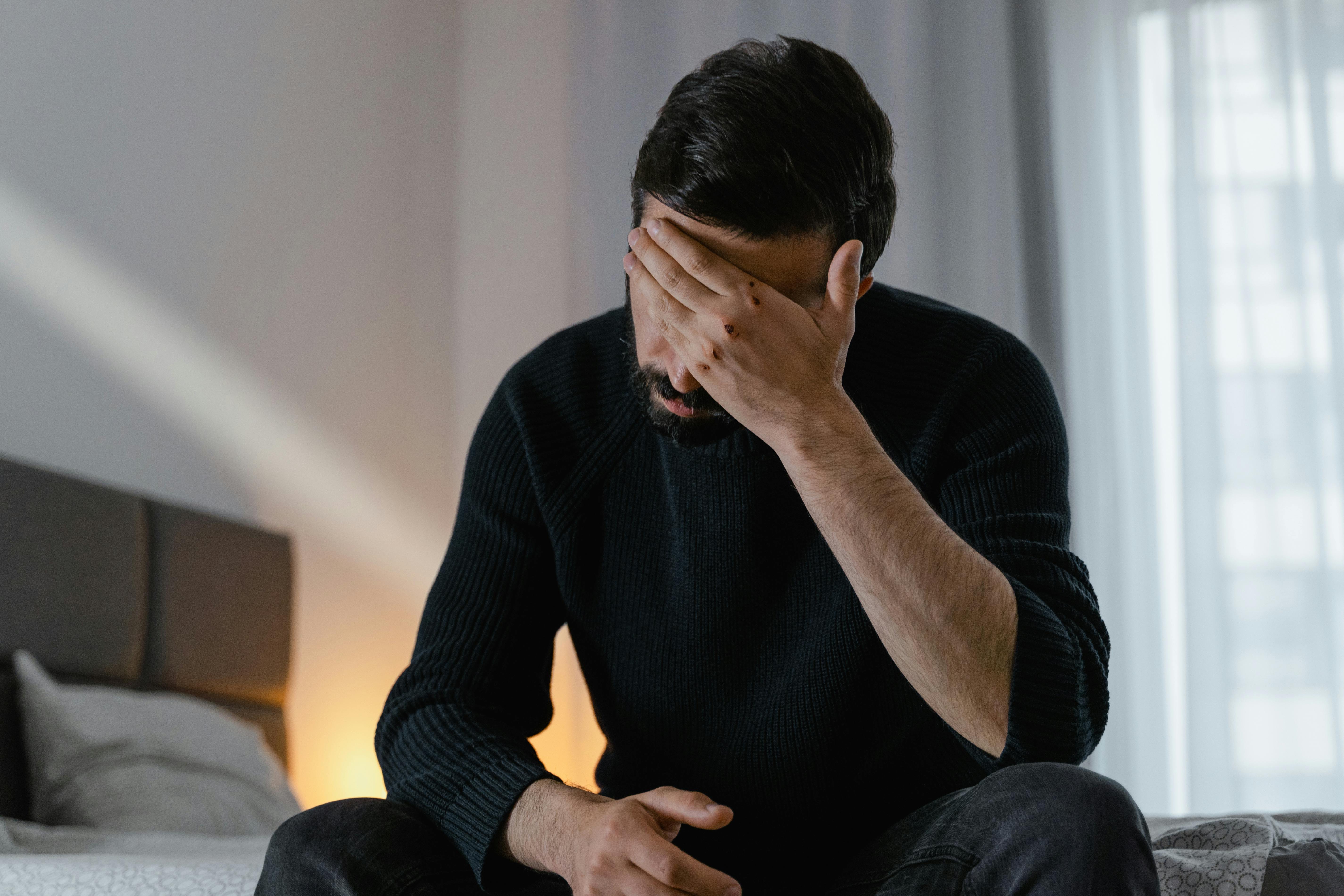
Performance anxiety is one of the strongest psychological drivers of premature ejaculation. It creates a self-reinforcing cycle:
- A man worries about ejaculating too quickly
- Anxiety increases nervous system activation
- Arousal rises more rapidly
- Ejaculation occurs sooner
- Confidence decreases
- Future anxiety increases further
Over time, this cycle may become deeply conditioned. Even entering sexual situations can trigger anticipatory anxiety that primes the body for rapid climax before intercourse even begins.
Many men also place unrealistic pressure on themselves due to:
- Pornography-based expectations
- Social comparison
- Media portrayals of male performance
- Misinformation online
- Fear of judgment
In reality, sexual satisfaction depends on far more than duration alone. Emotional connection, attentiveness, communication, affection, intimacy, pacing, and mutual understanding all contribute to fulfilling sexual experiences.
Unfortunately, many men reduce sexual performance to a single measure: “How long did I last?”
This narrow focus increases mental pressure and often worsens control.
Research from Urology Care Foundation shows that anxiety and stress frequently coexist with premature ejaculation and should be addressed as part of comprehensive treatment.
One of the most important steps toward improvement is shifting away from a “performance test” mindset toward a more relaxed, connected, and awareness-based approach to intimacy.
The Role of Stress Hormones in Sexual Timing
Stress has powerful biological effects on sexual performance. During periods of chronic stress, the body produces increased levels of cortisol and adrenaline.
These hormones are useful during emergencies because they increase alertness and prepare the body for action. However, excessive activation can interfere with healthy sexual regulation.
High stress levels may:
- Increase muscle tension
- Accelerate breathing
- Raise heart rate
- Increase sympathetic nervous system activity
- Reduce relaxation
- Increase mental distraction
- Shorten arousal regulation time
This physiological state often causes men to move more quickly toward climax.
Chronic stress also negatively affects testosterone production, sleep quality, energy levels, mood stability, and relationship satisfaction—all of which influence sexual function.
According to information from Harvard Health Publishing , stress management plays an important role in overall male sexual health and hormonal balance.
Reducing stress is therefore not merely a psychological strategy—it is also a biological intervention that improves nervous system regulation.
Conditioned Sexual Habits and Learned Patterns
Many men unknowingly train themselves toward rapid ejaculation through habitual behavioral patterns developed over years.
For example, some men learn to masturbate very quickly during adolescence because of:
- Fear of being interrupted
- Lack of privacy
- Shame or guilt surrounding sexuality
- Rushing for quick release
Over time, the nervous system becomes conditioned to associate sexual stimulation with rapid climax.
This conditioning can persist into adulthood and influence partnered sexual experiences.
Similarly, frequent overstimulation from highly stimulating pornography may affect arousal patterns in some individuals. Although research on pornography remains complex and evolving, some clinicians believe excessive high-intensity stimulation may alter expectations and arousal responsiveness in certain men.
The encouraging news is that conditioned patterns can often be retrained through structured behavioral methods and awareness exercises.
Learning Arousal Awareness and Biofeedback
One of the most effective long-term strategies for improving ejaculatory control is learning to recognize the body’s early arousal signals before climax becomes unavoidable.
This process is often referred to as biofeedback awareness.
Many men with premature ejaculation struggle because they do not recognize how rapidly their arousal is escalating until they are already very close to climax.
Developing awareness allows a man to identify:
- Changes in breathing
- Pelvic muscle tension
- Heart rate increases
- Escalating penile sensitivity
- Rising excitement levels
- The transition toward the point of inevitability
With practice, men become better at recognizing the early stages of escalating arousal and adjusting stimulation before ejaculation becomes automatic.
This awareness is central to nearly all behavioral treatment programs for premature ejaculation.
Biofeedback training does not necessarily require specialized equipment. In many cases, simple mindful awareness during masturbation or partnered intimacy is sufficient.
The process involves slowing down, observing physical sensations carefully, and learning how the body responds during different stages of arousal.
Understanding the “Point of Inevitability”
Sex therapists often describe a critical threshold called the “point of inevitability.”
This refers to the moment when ejaculation becomes physiologically unavoidable.
Before reaching this point, arousal can still be lowered through:
- Pausing stimulation
- Changing pace
- Breathing techniques
- Relaxation
- Mental redirection
After crossing this threshold, however, ejaculation usually proceeds automatically because of spinal reflex activation and pelvic muscle contractions.
Learning to identify this threshold is a foundational skill in ejaculatory control training.
Many men describe warning signs such as:
- A sudden surge of pleasure intensity
- Involuntary pelvic contractions
- Increased muscle tension
- A feeling of “no return”
- Rapid escalation in stimulation
Behavioral training focuses on recognizing these signs earlier and earlier over time.
The earlier awareness develops, the more opportunity exists to regulate arousal successfully.
The Stop–Start Technique (Edging Method)

The stop–start technique is one of the best-known and most scientifically supported behavioral methods for improving ejaculatory control.
Originally developed by sex therapists Masters and Johnson, this technique trains the nervous system to tolerate higher levels of stimulation without triggering ejaculation.
The method works by repeatedly approaching high arousal levels while stopping before climax occurs.
Basic stop–start process:
- Begin sexual stimulation slowly
- Continue until nearing climax
- Stop all stimulation before ejaculation occurs
- Wait for arousal to decrease
- Resume stimulation
- Repeat the cycle several times
Eventually, ejaculation is allowed after multiple stop–start cycles.
This process helps:
- Increase awareness of rising arousal
- Improve tolerance to stimulation
- Reduce panic surrounding climax
- Strengthen control over sexual pacing
- Retrain conditioned rapid responses
Initially, the technique may feel frustrating or difficult. Many men struggle to identify the correct timing during early attempts.
However, improvement usually occurs gradually with repetition and consistency.
Behavioral therapy studies have shown meaningful improvement in many men who consistently practice stop–start training over several weeks or months.
Detailed Guide to Practicing the Stop–Start Method
Step 1: Practice Alone First
Most experts recommend beginning during masturbation before transitioning to partnered intimacy.
Solo practice allows better concentration without performance pressure.
Step 2: Use Moderate Stimulation
Avoid rushing or using extremely intense stimulation initially.
The goal is awareness training—not racing toward climax.
Step 3: Identify Rising Arousal
Pay close attention to:
- Breathing changes
- Muscle tension
- Pelvic sensations
- Increasing excitement
Step 4: Stop Before the Point of Inevitability
This is the most important skill.
Stopping too late usually results in ejaculation.
With practice, timing improves considerably.
Step 5: Wait Until Arousal Drops
Allow arousal to decrease significantly before resuming stimulation.
Step 6: Repeat Multiple Cycles
Repeating the process trains the nervous system progressively.
Many men notice gradual improvement after several weeks of regular practice.
The Squeeze Technique
The squeeze technique is another behavioral method sometimes used alongside stop–start training.
It involves applying gentle pressure to the penis shortly before climax to reduce arousal temporarily.
Traditionally, pressure is applied near the junction between the glans (head) and shaft of the penis for several seconds.
This temporary interruption may reduce stimulation enough to delay ejaculation.
While some men find the technique helpful, others prefer stop–start training because it feels more natural and less disruptive.
Both methods aim to improve awareness and reduce automatic ejaculation patterns.
Breathing and Relaxation Techniques
Breathing patterns strongly influence nervous system activity.
Many men unconsciously hold their breath or breathe rapidly during sexual excitement. This increases muscle tension and sympathetic activation, accelerating climax.
Controlled breathing helps activate the parasympathetic nervous system, which supports relaxation and arousal regulation.
Effective breathing strategies include:
- Slow diaphragmatic breathing
- Longer exhalations
- Relaxing the pelvic muscles consciously
- Avoiding breath-holding during stimulation
A simple technique involves:
- Inhaling slowly through the nose for 4 seconds
- Holding briefly
- Exhaling slowly for 6–8 seconds
This reduces physiological tension and often helps slow escalating arousal.
Relaxation training may also involve:
- Meditation
- Mindfulness
- Progressive muscle relaxation
- Yoga
- Stress reduction exercises
These approaches are particularly helpful when anxiety plays a major role in premature ejaculation.
Mental Focus and Present-Moment Awareness
One of the paradoxes of sexual control is that excessive focus on “trying not to climax” often worsens the problem.
This hypervigilance increases anxiety and nervous system activation.
Mindfulness-based approaches encourage nonjudgmental awareness of physical sensations without panic or self-criticism.
Rather than constantly evaluating performance, mindfulness emphasizes:
- Present-moment awareness
- Relaxation
- Connection with a partner
- Controlled pacing
- Reduced mental pressure
Several modern sex therapy approaches now incorporate mindfulness training because of its effects on anxiety reduction and nervous system regulation.
For broader stress reduction strategies, you may also find this helpful:
- Diabetes & Blood Sugar
- Nutrition & Healthy Eating
- Heart Health
- Fitness & Physical Activity
- Sleep Health
- Mental Health & Well-being
- Preventive Health
- Healthy Recipes
The Importance of Patience and Consistency
Improving ejaculatory control rarely happens overnight.
Like physical fitness training, sexual control improves progressively through repetition and consistency.
Many men become discouraged because they expect immediate transformation after trying one or two techniques briefly.
In reality:
- The nervous system adapts gradually
- Muscle control develops over time
- Anxiety reduction requires repetition
- Confidence builds through successful experiences
Behavioral techniques are most effective when practiced regularly over weeks and months rather than only occasionally.
Small improvements often accumulate into major long-term changes.
End of Part 2
Next section will continue with:
- Pelvic floor muscles and Kegel exercises for men
- How cardiovascular health affects sexual endurance
- Testosterone, hormones, and sexual function
- Nutrition strategies for sexual performance
- Sleep and recovery optimization
- Exercise programs that support endurance
- Weight management and circulation
- Smoking, alcohol, and substance effects
- Medical explanations of erection quality and stamina
Pelvic Floor Muscles and Ejaculatory Control

One of the most overlooked aspects of male sexual performance is pelvic floor muscle function. While many people associate pelvic floor exercises with women’s health, these muscles are equally important for men.
The pelvic floor is a group of muscles located at the base of the pelvis. These muscles support the bladder, bowel, and reproductive organs while also playing a critical role in:
- Erection quality
- Ejaculatory control
- Urinary control
- Pelvic stability
- Sexual sensation
During ejaculation, rhythmic contractions of pelvic floor muscles help propel semen outward. If these muscles are weak, poorly coordinated, or overly tense, control may be reduced.
Research published in sexual medicine journals has shown that structured pelvic floor rehabilitation can significantly improve premature ejaculation symptoms in many men.
Some men experience weak pelvic floor muscles, while others develop excessive pelvic tension due to chronic stress, anxiety, or poor posture. Both situations may interfere with healthy sexual function.
Improving pelvic floor awareness and strength often enhances:
- Control during intercourse
- Erection firmness
- Confidence
- Awareness of arousal escalation
- Overall pelvic coordination
How to Identify Pelvic Floor Muscles Correctly
Before beginning pelvic floor exercises, it is important to identify the correct muscles.
One common method is attempting to stop urination briefly midstream. The muscles used during this action are part of the pelvic floor.
Another way involves tightening the muscles that prevent passing gas.
However, these methods should only be used for identification purposes—not as regular exercise routines during urination.
Correct pelvic floor contractions should:
- Lift inward and upward gently
- Occur without holding the breath
- Avoid tightening the abdomen excessively
- Avoid squeezing the buttocks strongly
Many men initially use the wrong muscles or tense their entire body during attempts. Proper technique is more important than intensity.
How to Perform Kegel Exercises for Men
Kegel exercises involve repeated contractions and relaxation of the pelvic floor muscles.
When practiced consistently, these exercises improve muscular endurance and coordination.
Basic Kegel exercise routine:
- Contract the pelvic floor muscles gently
- Hold for 3–5 seconds initially
- Relax fully for the same duration
- Repeat 10–15 times
- Perform 2–3 sessions daily
As strength improves, contraction time can gradually increase to 8–10 seconds.
Breathing normally during exercises is important. Holding the breath increases tension and reduces effectiveness.
Consistency matters more than intensity. Like other muscles in the body, pelvic floor muscles respond gradually to repeated training.
Most men begin noticing improvements after several weeks of regular practice.
Common Mistakes During Pelvic Floor Training
Several common mistakes reduce the effectiveness of pelvic floor exercises:
1. Overtraining
Excessive exercise may create pelvic tension rather than balanced control.
2. Using Incorrect Muscles
Some men tighten abdominal, thigh, or buttock muscles instead of the pelvic floor.
3. Holding the Breath
Breath-holding increases tension and interferes with muscle coordination.
4. Expecting Immediate Results
Pelvic floor training requires consistency over weeks or months.
5. Maintaining Constant Tension
The pelvic floor must learn both contraction and relaxation.
Balanced pelvic control—not continuous tightness—is the goal.
Pelvic Floor Relaxation and Over-Tension
Interestingly, some men with premature ejaculation do not have weak pelvic floor muscles. Instead, they have chronically tense pelvic muscles.
Stress and anxiety often cause involuntary pelvic tightening, particularly during sexual activity.
This excessive tension may:
- Accelerate arousal
- Increase sensitivity
- Reduce awareness
- Trigger earlier ejaculation reflexes
For these men, learning pelvic relaxation can be just as important as strengthening exercises.
Relaxation strategies may include:
- Deep breathing
- Stretching
- Yoga
- Meditation
- Mindfulness training
- Warm baths
The goal is balanced muscular control rather than constant contraction.
Exercise and Cardiovascular Fitness

Sexual performance is closely connected to cardiovascular health. Erections and sexual stamina depend heavily on healthy blood flow, nerve function, and energy production.
Poor circulation can impair erectile quality and reduce endurance during sexual activity.
Regular physical exercise improves:
- Blood circulation
- Heart health
- Hormonal balance
- Stress regulation
- Energy levels
- Mood stability
- Body composition
- Endurance and stamina
According to the Centers for Disease Control and Prevention (CDC) , consistent physical activity benefits nearly every major body system involved in sexual health.
Exercise also reduces inflammation and improves insulin sensitivity, both of which influence vascular function and hormone regulation.
Men who are physically active often experience:
- Better erectile function
- Higher confidence
- Reduced anxiety
- Improved stamina
- Better sleep quality
Best Types of Exercise for Sexual Health
1. Aerobic Exercise
Activities such as brisk walking, jogging, cycling, swimming, and dancing improve cardiovascular endurance and circulation.
Regular aerobic activity helps maintain healthy blood vessels, which are essential for erectile function.
Most health organizations recommend:
- At least 150 minutes of moderate aerobic exercise weekly
Consistency matters more than extreme intensity.
2. Strength Training
Resistance exercise supports:
- Muscle mass
- Metabolic health
- Testosterone production
- Confidence and body image
Strength training may include:
- Bodyweight exercises
- Resistance bands
- Weightlifting
- Functional fitness routines
3. Flexibility and Mobility Training
Stretching and mobility exercises reduce muscular tension and improve pelvic comfort.
Yoga and mobility routines may help reduce stress while improving breathing awareness and body control.
Obesity, Metabolic Health, and Sexual Function
Excess body weight can negatively affect sexual performance through multiple mechanisms.
Obesity is associated with:
- Reduced testosterone levels
- Poor circulation
- Inflammation
- Diabetes risk
- Fatigue
- Reduced self-confidence
- Higher rates of erectile dysfunction
Abdominal obesity in particular is strongly linked to metabolic syndrome and hormonal imbalance.
Research consistently shows that improving metabolic health through exercise and nutrition supports better sexual function.
Weight reduction often improves:
- Erectile quality
- Energy levels
- Hormonal balance
- Physical stamina
- Psychological confidence
The Relationship Between Erectile Dysfunction and Premature Ejaculation
Premature ejaculation and erectile dysfunction frequently occur together.
In many cases, men with erection difficulties rush intercourse because they fear losing their erection. This anxiety accelerates arousal and shortens ejaculatory control.
Conversely, persistent rapid ejaculation may increase anxiety so severely that erection quality eventually suffers.
This creates another self-reinforcing cycle:
- Fear of losing erection
- Increased urgency during intercourse
- Rapid ejaculation
- Reduced confidence
- More anxiety during future encounters
Treating underlying erectile dysfunction often improves ejaculatory control significantly.
According to the Mayo Clinic , erectile dysfunction commonly involves vascular, hormonal, neurological, and psychological factors.
This overlap explains why comprehensive sexual health evaluation is important when symptoms persist.
Sleep, Recovery, and Testosterone Health

Sleep is one of the most underestimated factors affecting sexual health.
Chronic sleep deprivation negatively influences:
- Testosterone production
- Mood regulation
- Stress hormones
- Energy levels
- Recovery capacity
- Sexual desire
- Erection quality
Most testosterone production occurs during deep sleep. Men who consistently sleep poorly often experience hormonal disruption over time.
According to research discussed by Harvard Health Publishing , sleep quality strongly affects both physical and mental health systems, including endocrine function.
Sleep deprivation also increases cortisol and sympathetic nervous system activity, which may worsen anxiety and reduce ejaculatory control.
Healthy sleep habits include:
- Maintaining a consistent sleep schedule
- Reducing screen exposure before bed
- Limiting caffeine late in the day
- Keeping the bedroom cool and dark
- Avoiding heavy meals before sleep
- Managing nighttime stress
If you want to improve recovery and hormone support naturally, you may also find this guide helpful:
- Diabetes & Blood Sugar
- Nutrition & Healthy Eating
- Heart Health
- Fitness & Physical Activity
- Sleep Health
- Mental Health & Well-being
- Preventive Health
- Healthy Recipes
Testosterone and Male Sexual Function
Testosterone is the primary male sex hormone and plays a major role in:
- Libido
- Erection quality
- Mood
- Muscle mass
- Energy levels
- Motivation
- Sexual interest
Low testosterone does not directly cause all cases of premature ejaculation, but hormonal imbalance may contribute to reduced sexual confidence, erectile difficulties, and altered arousal patterns.
Possible symptoms of low testosterone include:
- Low libido
- Fatigue
- Reduced muscle mass
- Mood changes
- Poor concentration
- Reduced morning erections
Medical evaluation may be appropriate if these symptoms are persistent.
Hormonal health is influenced by:
- Sleep quality
- Body weight
- Exercise habits
- Stress levels
- Nutrition
- Alcohol use
- Chronic illness
Optimizing these lifestyle factors naturally supports healthier hormonal balance.
Nutrition and Sexual Performance
Nutrition influences virtually every biological system involved in sexual health.
A balanced diet supports:
- Blood vessel health
- Hormone production
- Nerve function
- Energy metabolism
- Recovery
- Inflammation control
- Cardiovascular performance
Although no food can instantly “cure” premature ejaculation, long-term dietary patterns significantly affect overall sexual function.
Evidence-based dietary approaches emphasize:
- Whole foods
- Vegetables
- Fruits
- Healthy fats
- Lean proteins
- Whole grains
- Adequate hydration
According to Harvard Health Publishing , plant-rich diets support cardiovascular and metabolic health, which are closely linked to sexual function.
Important Nutrients for Male Sexual Health
Zinc
Zinc supports testosterone production and immune function.
Food sources include:
- Pumpkin seeds
- Nuts
- Beans
- Whole grains
- Seafood
Magnesium
Magnesium supports muscle relaxation and nerve function.
Sources include:
- Leafy greens
- Legumes
- Nuts
- Seeds
Omega-3 Fatty Acids
Omega-3 fats support blood vessel health and circulation.
Sources include:
- Fatty fish
- Flaxseed
- Chia seeds
- Walnuts
Antioxidants
Antioxidants help protect blood vessels from oxidative stress.
Rich sources include:
- Berries
- Vegetables
- Citrus fruits
- Tomatoes
You may also explore:
- Diabetes & Blood Sugar
- Nutrition & Healthy Eating
- Heart Health
- Fitness & Physical Activity
- Sleep Health
- Mental Health & Well-being
- Preventive Health
- Healthy Recipes
End of Part 3
Next section will continue with:
- Alcohol, smoking, and substance effects on performance
- Condoms and desensitizing products
- Sexual positions that improve control
- Relationship communication and intimacy
- Medical treatments and SSRIs
- Therapy and counseling approaches
- Supplements and myths
- Frequently asked questions
- Medical references and video resources
- Conclusion and long-term recovery strategies
Alcohol, Smoking, and Substance Use: How They Affect Sexual Performance

Lifestyle habits have a major influence on sexual performance, hormonal balance, circulation, and nervous system function. While many men focus only on techniques for lasting longer, long-term sexual health is heavily affected by everyday behaviors.
Smoking, excessive alcohol use, recreational drugs, chronic stress, and physical inactivity can impair multiple biological systems involved in sexual performance.
Many of these habits reduce:
- Blood flow
- Nerve sensitivity regulation
- Hormonal balance
- Energy production
- Cardiovascular efficiency
- Mood stability
- Erection quality
Improving lifestyle health often leads to measurable improvements in:
- Confidence
- Sexual stamina
- Erection strength
- Arousal control
- Overall wellbeing
Smoking and Erectile Function
Smoking damages blood vessels throughout the body, including the arteries responsible for supplying blood to the penis.
Healthy erections depend on proper vascular function. When blood vessels become narrowed or damaged, erection quality may decline significantly.
According to the Centers for Disease Control and Prevention (CDC) , smoking contributes to widespread vascular disease and impaired circulation.
Nicotine also stimulates the sympathetic nervous system, increasing adrenaline and physiological tension. This heightened nervous system activation may worsen anxiety-related premature ejaculation.
Long-term smoking is associated with:
- Erectile dysfunction
- Reduced circulation
- Reduced exercise tolerance
- Hormonal disruption
- Higher cardiovascular disease risk
- Poorer recovery and stamina
Quitting smoking often improves circulation gradually over time and supports better overall sexual health.
Alcohol and Ejaculatory Control
Alcohol has complex effects on sexual function.
Small amounts may temporarily reduce anxiety and inhibitions, which can sometimes help men who experience intense performance anxiety.
However, excessive alcohol consumption commonly impairs:
- Erection quality
- Nerve signaling
- Sexual coordination
- Hormonal balance
- Physical stamina
Heavy drinking may initially delay ejaculation in some men because alcohol depresses nervous system activity. However, this often occurs alongside reduced erection quality and impaired sexual satisfaction.
Chronic alcohol use may also lower testosterone levels and contribute to long-term sexual dysfunction.
Moderation is therefore important. Relying on alcohol for sexual confidence can create additional psychological dependence over time.
Recreational Drugs and Sexual Health
Recreational substances may significantly affect sexual performance depending on the type of drug, dosage, frequency of use, and individual physiology.
Some substances alter:
- Neurotransmitter function
- Hormonal regulation
- Cardiovascular health
- Sensation and arousal
- Mood stability
Long-term substance misuse may contribute to:
- Erectile dysfunction
- Reduced libido
- Psychological instability
- Relationship difficulties
- Sexual dissatisfaction
Addressing underlying mental health concerns and stress management often provides healthier long-term benefits than substance-based coping strategies.
Can Condoms Help You Last Longer?
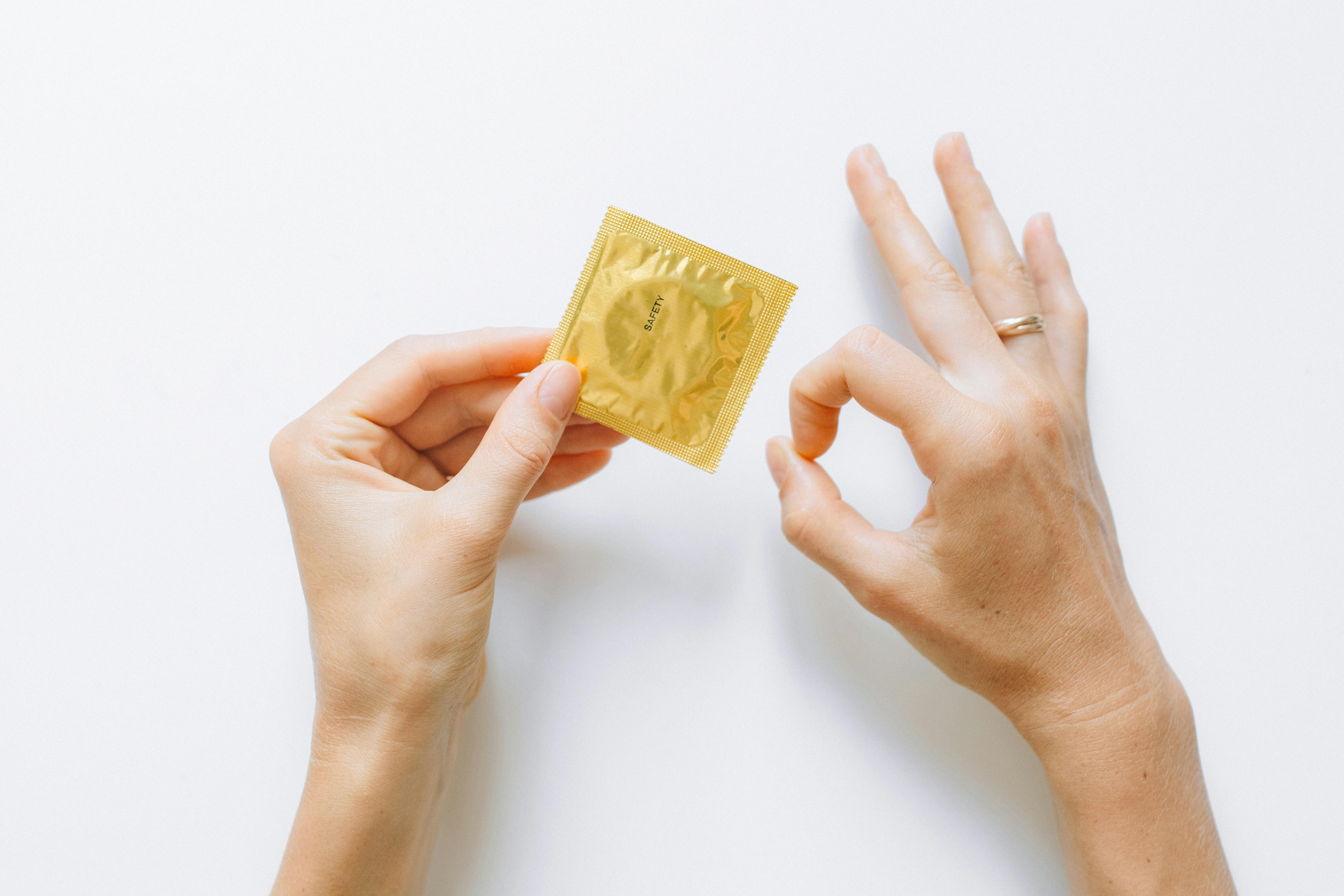
Condoms are widely known for pregnancy prevention and protection against sexually transmitted infections, but they may also help improve ejaculatory control in some men.
Because condoms create a physical barrier between the penis and direct stimulation, they often reduce sensation slightly.
For men with heightened sensitivity, this reduction may:
- Delay climax
- Improve confidence
- Reduce overstimulation
- Increase awareness and pacing
Some condoms are specifically marketed as “delay” condoms and contain mild desensitizing agents such as benzocaine.
These products are designed to reduce excessive stimulation while preserving pleasurable sensation.
According to guidance from the NHS , condoms are safe and effective when used correctly.
Different men respond differently to condom thickness, texture, and fit. Experimenting with various types may help identify what feels most comfortable while improving control.
Desensitizing Sprays and Creams
Topical desensitizing products are commonly used for temporary improvement in ejaculatory control.
Most contain local anesthetic agents such as:
- Lidocaine
- Benzocaine
These ingredients reduce penile sensitivity temporarily, helping delay climax in some men.
When used correctly, desensitizing products may:
- Increase intercourse duration
- Reduce anxiety
- Improve confidence
- Support behavioral training methods
However, excessive use may cause:
- Too much numbness
- Reduced pleasure
- Transfer of numbness to a partner
- Skin irritation
Safe usage recommendations:
- Apply a small amount initially
- Follow product instructions carefully
- Wash off excess product before intercourse if recommended
- Stop use if irritation develops
Medical guidance from Mayo Clinic notes that topical anesthetics may help certain men when combined with behavioral therapy.
These products are generally most effective as part of a broader treatment strategy rather than a permanent standalone solution.
Sexual Positions That May Improve Control
Different sexual positions create different levels of stimulation, pacing, muscular effort, and control.
Some positions increase stimulation intensity and accelerate arousal rapidly, while others allow slower movement and better awareness.
Men who struggle with rapid ejaculation often benefit from positions that:
- Reduce overstimulation
- Allow slower rhythm
- Provide better pacing control
- Permit pauses more naturally
- Reduce physical tension
Examples of potentially lower-stimulation positions:
- Side-lying positions
- Partner-on-top positions
- Positions that allow shallow penetration
- Positions permitting slower movement
In contrast, positions involving:
- Deep penetration
- Fast thrusting
- High muscular tension
- Intense friction
may accelerate climax more quickly in sensitive individuals.
Alternating positions during intercourse may also provide brief recovery periods that help lower arousal.
Pacing and Rhythm During Intercourse
One common mistake many men make is maintaining continuously intense stimulation throughout intercourse.
Arousal usually rises progressively. Without pacing adjustments, climax may occur rapidly once stimulation intensity becomes too high.
Learning to vary rhythm and intensity helps maintain arousal within a more manageable range.
Helpful pacing strategies include:
- Slowing movement periodically
- Pausing briefly when arousal escalates
- Changing positions
- Focusing on overall intimacy rather than constant thrusting
- Maintaining controlled breathing
This approach reduces the “rush toward climax” that often accompanies anxiety-driven sexual encounters.
The Importance of Foreplay and Emotional Connection
Many men experiencing premature ejaculation become intensely focused on penetration duration alone.
However, satisfying sexual experiences involve much more than intercourse timing.
Foreplay, emotional intimacy, affection, communication, touch, kissing, and mutual attentiveness all contribute substantially to satisfaction.
When sexual encounters become narrowly performance-focused, anxiety often increases.
Expanding intimacy beyond penetration reduces pressure and improves overall relationship satisfaction.
Emotional safety and communication frequently reduce performance anxiety naturally.
Communication With Your Partner

Communication is one of the most powerful yet underused tools for improving sexual confidence and reducing anxiety.
Many men avoid discussing sexual concerns because they fear embarrassment, rejection, or judgment.
Unfortunately, silence often increases stress and emotional distance.
Open communication can:
- Reduce pressure
- Improve emotional intimacy
- Clarify expectations
- Strengthen trust
- Reduce misunderstandings
- Improve teamwork during behavioral training
A supportive partner can play an important role during techniques such as:
- Stop–start exercises
- Pacing adjustments
- Mindfulness training
- Breathing exercises
- Position experimentation
Sexual health is best viewed as a shared relational experience rather than an isolated performance test.
Relationship Stress and Sexual Performance
Relationship tension often affects sexual function significantly.
Conflict, emotional distance, unresolved resentment, lack of trust, and poor communication may all contribute to:
- Anxiety
- Reduced desire
- Distraction during intimacy
- Erectile difficulties
- Rapid ejaculation
In some cases, addressing relationship dynamics improves sexual performance more effectively than focusing only on physical techniques.
Couples counseling or sex therapy may be particularly helpful when emotional factors play a central role.
The Role of Confidence in Sexual Endurance
Confidence strongly influences sexual performance.
Importantly, confidence is not simply “positive thinking.” It develops through repeated experiences of improved awareness, reduced anxiety, and better control.
As men experience gradual success through behavioral techniques and lifestyle improvements, confidence naturally increases.
Confidence tends to improve when men:
- Understand the biology of arousal
- Reduce unrealistic expectations
- Develop better body awareness
- Improve communication
- Strengthen physical health
- Practice consistent training methods
This is another reason why comprehensive treatment approaches usually work better long-term than quick fixes alone.
Mindset Shifts That Help Reduce Performance Pressure
Several psychological shifts may help reduce anxiety and improve overall sexual experiences:
1. Stop Treating Sex Like an امتحان
Sexual intimacy is not an exam that must be “passed.” Excessive self-monitoring increases tension.
2. Focus on Connection Rather Than Timing
Emotional intimacy and communication matter far more than arbitrary duration targets.
3. Accept Temporary Setbacks
Occasional rapid ejaculation is normal and happens to many healthy men.
4. Understand That Improvement Is Gradual
Long-term control develops progressively through practice and awareness.
5. Reduce Catastrophic Thinking
One disappointing experience does not define overall sexual ability.
Can Masturbation Before Sex Help?
Some men notice improved control during a second sexual encounter after a recent ejaculation.
This occurs because sensitivity and arousal intensity may temporarily decrease after orgasm.
In certain cases, masturbation before intercourse may:
- Reduce hypersensitivity
- Decrease anxiety
- Lower urgency
- Improve awareness of arousal patterns
However, timing varies greatly between individuals.
For some men, ejaculation shortly before intercourse may:
- Reduce erection quality
- Increase fatigue
- Lower desire temporarily
Moderation and individualized experimentation are important.
Structured Masturbation Training for Better Control
Masturbation can also serve as a structured training tool rather than simply quick release.
Mindful masturbation exercises may help men:
- Recognize arousal stages
- Practice stop–start methods
- Develop awareness of the point of inevitability
- Improve pacing control
- Reduce anxiety about climax
Instead of rushing toward orgasm, training-oriented masturbation emphasizes:
- Slow pacing
- Awareness
- Controlled breathing
- Relaxation
- Gradual arousal regulation
Over time, this may help retrain conditioned rapid ejaculation patterns.
End of Part 4
Next section will continue with:
- Medical treatments for premature ejaculation
- SSRIs and how they work
- Topical prescription treatments
- Sex therapy and counseling
- Hormonal evaluation and medical testing
- Supplements and herbal products
- Common myths about lasting longer
- Frequently asked questions
- Medical video resources
- Scientific references and final conclusion
Medical Treatments for Premature Ejaculation

While many men improve significantly through behavioral training, pelvic floor exercises, stress reduction, and lifestyle optimization, some cases of premature ejaculation require medical evaluation and professional treatment.
Medical treatment is particularly important when:
- Symptoms are persistent
- Ejaculation occurs very rapidly during nearly all encounters
- The issue causes significant distress
- Relationship difficulties develop
- Erectile dysfunction is also present
- Behavioral techniques alone have not helped sufficiently
- Underlying health conditions are suspected
A qualified healthcare professional—such as a physician, urologist, or sexual health specialist—can help identify contributing physical, hormonal, neurological, or psychological factors.
According to the American Urological Association , effective treatment often combines behavioral methods with medical or psychological support when necessary.
What Happens During Medical Evaluation?
A medical assessment for premature ejaculation usually begins with a detailed discussion of:
- Sexual history
- Relationship dynamics
- Timing patterns
- Stress and mental health
- Current medications
- Lifestyle habits
- Past medical conditions
Healthcare professionals may ask questions such as:
- How long has the problem been present?
- Did it begin suddenly or gradually?
- Does it occur during all sexual encounters?
- Are erections difficult to maintain?
- Are there symptoms of anxiety or depression?
- Are there signs of hormonal imbalance?
This evaluation helps determine whether premature ejaculation is:
- Lifelong
- Acquired
- Primarily psychological
- Associated with another medical condition
Possible Medical Tests
Not every man requires laboratory testing. However, certain symptoms may prompt further evaluation.
Possible investigations may include:
- Testosterone levels
- Thyroid function tests
- Blood sugar evaluation
- Cardiovascular assessment
- Medication review
Underlying conditions such as diabetes, thyroid disorders, hormonal imbalance, and cardiovascular disease may affect sexual function.
According to the NHS , thyroid dysfunction can influence mood, metabolism, energy levels, and sexual health.
Addressing underlying health problems often improves sexual performance substantially.
Selective Serotonin Reuptake Inhibitors (SSRIs)
One of the most commonly prescribed medical treatments for premature ejaculation involves medications known as selective serotonin reuptake inhibitors, or SSRIs.
These medications were originally developed to treat depression and anxiety disorders. However, researchers discovered that they often delay ejaculation as a side effect.
SSRIs increase serotonin activity in the brain, which helps slow the ejaculation reflex in many men.
Examples of SSRIs sometimes used for PE include:
- Sertraline
- Paroxetine
- Fluoxetine
- Dapoxetine (available in some countries specifically for PE)
These medications may be prescribed:
- Daily
- On-demand before sexual activity
The exact approach depends on the medication, severity of symptoms, and physician guidance.
How SSRIs Help Delay Ejaculation
Serotonin is one of the major neurotransmitters involved in ejaculatory control.
Higher serotonin activity in certain brain pathways tends to:
- Slow ejaculation reflexes
- Increase ejaculatory latency time
- Reduce urgency during high arousal
Research summarized by Mayo Clinic shows that SSRIs can significantly improve ejaculatory control in many men.
However, response varies considerably between individuals.
Some men experience major improvement, while others notice only modest benefits.
Potential Side Effects of SSRIs
Like all medications, SSRIs may cause side effects.
Possible side effects include:
- Nausea
- Fatigue
- Drowsiness
- Reduced libido
- Headache
- Sweating
- Mood changes
- Erectile difficulties in some cases
Not everyone experiences side effects, and many symptoms improve over time.
Medication decisions should always be made under professional medical supervision.
Dapoxetine: A Short-Acting Medication for PE
Dapoxetine is a short-acting SSRI developed specifically for premature ejaculation in certain countries.
Unlike traditional antidepressant SSRIs, dapoxetine is typically taken shortly before sexual activity rather than daily.
Its shorter duration may reduce some side effects associated with long-term antidepressant therapy.
Availability varies depending on country and local medical regulations.
A healthcare professional can determine whether this option is appropriate.
Topical Prescription Treatments

Prescription topical treatments are designed to reduce penile sensitivity temporarily.
These products commonly contain:
- Lidocaine
- Prilocaine
- Benzocaine
They are typically applied before intercourse to reduce overstimulation and delay climax.
When used properly, topical anesthetics may:
- Increase intercourse duration
- Reduce anxiety
- Improve confidence
- Support behavioral training
However, excessive numbness may reduce pleasure for either partner.
Following professional instructions carefully is important for safe and effective use.
Behavioral Therapy and Sex Therapy
Behavioral therapy remains one of the most effective long-term treatment approaches for premature ejaculation.
Unlike medications, behavioral therapy focuses on retraining arousal patterns, reducing anxiety, and improving awareness.
Therapy may involve:
- Stop–start training
- Breathing exercises
- Mindfulness techniques
- Communication exercises
- Anxiety management
- Relationship counseling
- Pelvic floor training
Sex therapy may be particularly beneficial when:
- Anxiety is severe
- Relationship stress contributes significantly
- Negative sexual experiences are involved
- Avoidance of intimacy has developed
- Self-esteem has been affected
Therapists specializing in sexual health can provide structured exercises tailored to individual circumstances.
Cognitive Behavioral Therapy (CBT)
Cognitive Behavioral Therapy (CBT) is commonly used for anxiety-related sexual difficulties.
CBT helps individuals identify and modify:
- Negative thought patterns
- Catastrophic thinking
- Performance fears
- Self-critical beliefs
- Anxiety-driven behaviors
Many men with premature ejaculation develop persistent fear surrounding sexual encounters.
This fear itself may worsen symptoms.
CBT aims to interrupt these harmful cycles and replace them with healthier mental responses.
Can Erectile Dysfunction Medications Help?
Some men with both erectile dysfunction and premature ejaculation may benefit indirectly from erectile dysfunction medications.
Medications such as sildenafil or tadalafil improve erection quality by increasing blood flow to the penis.
Improved erection confidence may reduce anxiety-driven rushing during intercourse.
However, erectile dysfunction medications are not primary treatments for premature ejaculation itself.
Treatment decisions should be individualized based on underlying causes.
Hormonal Therapy and Testosterone Treatment
Testosterone therapy is not routinely used solely for premature ejaculation.
However, men with confirmed low testosterone and associated symptoms may benefit from hormonal evaluation and treatment under specialist supervision.
Symptoms potentially associated with low testosterone include:
- Low libido
- Fatigue
- Reduced muscle mass
- Mood changes
- Poor concentration
- Reduced morning erections
According to the Urology Care Foundation , hormonal treatment should only occur after proper medical evaluation and laboratory confirmation.
Supplements and Herbal Products: What Does the Evidence Say?

Many supplements and herbal products are marketed online claiming to improve sexual endurance or “cure” premature ejaculation naturally.
Examples commonly promoted include:
- Ginseng
- Maca root
- Ashwagandha
- Zinc supplements
- L-arginine
- Tribulus terrestris
While some nutrients support general health and circulation, scientific evidence specifically proving reliable treatment of premature ejaculation remains limited.
One major concern is product quality. Some over-the-counter sexual enhancement products contain:
- Undisclosed pharmaceutical ingredients
- Incorrect dosages
- Contaminants
- Unverified claims
The U.S. Food and Drug Administration (FDA) has repeatedly warned consumers about unregulated sexual enhancement supplements.
Healthcare consultation is advisable before using supplements, especially for individuals with chronic medical conditions or medication use.
The Problem With “Instant Cure” Marketing
The internet is filled with advertisements promising:
- Instant stamina
- Permanent cures in days
- Miracle pills
- Secret techniques
- Guaranteed enlargement and endurance
Most of these claims are exaggerated or unsupported scientifically.
Sexual performance is influenced by complex interactions involving:
- The nervous system
- Hormones
- Psychology
- Cardiovascular health
- Learned behavioral patterns
Meaningful improvement usually requires consistent long-term strategies rather than quick fixes.
Evidence-based approaches remain far more reliable than marketing promises.
When to Seek Professional Help
Occasional rapid ejaculation is normal and common.
However, professional evaluation may be appropriate if:
- Ejaculation consistently occurs very quickly
- The issue causes emotional distress
- Relationship problems develop
- Anxiety becomes severe
- Erectile dysfunction is also present
- Symptoms worsen suddenly
- Behavioral strategies fail to help
Seeking medical support is not a sign of weakness. Sexual health concerns are legitimate medical issues that healthcare professionals address regularly.
Early evaluation often prevents worsening anxiety and relationship strain.
Long-Term Success Usually Requires Combination Strategies
Most men achieve the best results by combining multiple evidence-based approaches.
Examples include:
- Behavioral training
- Pelvic floor exercises
- Stress reduction
- Sleep optimization
- Exercise and cardiovascular fitness
- Improved communication
- Medical treatment when necessary
Relying on a single strategy alone is often less effective than a comprehensive approach targeting both body and mind.
End of Part 5
Next section will continue with:
- Common myths about lasting longer in bed
- Frequently asked questions
- Average duration statistics explained
- Can premature ejaculation be cured permanently?
- Medical video resources
- Scientific references and citations
- Final conclusion and long-term action plan
- SEO optimization additions
- Schema markup improvements
- Internal and external linking recommendations
Common Myths About Lasting Longer in Bed

Sexual health misinformation is extremely common online. Many men develop unrealistic expectations about performance because of exaggerated marketing, pornography, social media myths, or inaccurate advice shared through informal sources.
These misconceptions often increase anxiety and create unnecessary pressure, which may actually worsen premature ejaculation.
Understanding what is medically accurate is important for building realistic expectations and healthier confidence.
Myth 1: “Real Men Should Last for a Very Long Time”
One of the most damaging misconceptions is the belief that men are expected to maintain intercourse for extremely long periods.
In reality, research suggests that average intravaginal ejaculation latency time varies widely between individuals and couples.
A commonly cited range is approximately 5–7 minutes on average, although normal variation is broad.
Importantly, relationship satisfaction depends on many factors beyond penetration duration alone.
Emotional connection, communication, intimacy, foreplay, attentiveness, and mutual comfort all play major roles in sexual satisfaction.
Pornography often portrays unrealistic scenarios that do not accurately reflect real-world sexual experiences.
Myth 2: “Premature Ejaculation Means You Are Weak”
Premature ejaculation is a medical and psychological condition influenced by:
- Nervous system sensitivity
- Hormonal factors
- Psychological stress
- Learned conditioning
- Relationship dynamics
- Cardiovascular health
It is not a reflection of masculinity, strength, or personal worth.
Many otherwise healthy men experience temporary or persistent ejaculatory control difficulties at some point in life.
Medical organizations such as the Mayo Clinic recognize premature ejaculation as a legitimate health concern rather than a character flaw.
Myth 3: “Alcohol Improves Sexual Performance”
Although alcohol may temporarily reduce anxiety and inhibitions, excessive alcohol consumption often worsens sexual performance overall.
Heavy alcohol use may contribute to:
- Poor erection quality
- Reduced stamina
- Hormonal disruption
- Decreased sensation
- Nervous system impairment
Relying on alcohol for sexual confidence may create unhealthy long-term coping patterns.
Myth 4: “There Is a Miracle Pill That Permanently Fixes Everything”
No medication or supplement instantly and permanently cures all forms of premature ejaculation.
Long-term improvement typically requires a combination of:
- Behavioral training
- Stress management
- Physical health optimization
- Improved communication
- Medical support when appropriate
Advertisements promising “instant permanent results” should be approached cautiously.
Myth 5: “Only Older Men Experience Sexual Problems”
Premature ejaculation can affect men of many age groups.
Younger men may experience it due to:
- Performance anxiety
- Limited sexual experience
- Heightened sensitivity
- Conditioned rapid arousal patterns
Older men may experience contributing factors such as:
- Cardiovascular disease
- Hormonal changes
- Erectile dysfunction
- Medication side effects
Sexual health concerns are therefore not limited to a specific age category.
Frequently Asked Questions (FAQ)
What Is Considered “Normal” Ejaculation Timing?
There is substantial variation between individuals and couples.
Research commonly estimates average intravaginal ejaculation latency time at approximately 5–7 minutes, although healthy variation exists above and below this range.
The most important factor is whether both partners feel satisfied and whether the timing causes distress.
Can Premature Ejaculation Be Permanently Cured?
Many men experience major improvement or complete resolution, especially when premature ejaculation is acquired rather than lifelong.
Long-term improvement is often possible through:
- Behavioral therapy
- Pelvic floor training
- Stress management
- Lifestyle optimization
- Medical treatment when necessary
Consistency is important. Improvement usually develops progressively rather than overnight.
How Long Does It Take to Improve?
Some men notice improvement within several weeks of consistent training.
Behavioral exercises such as:
- Stop–start training
- Kegel exercises
- Mindfulness practice
- Breathing control
often require repeated practice over time for stable results.
Medical treatments may produce faster symptom improvement in some cases, though long-term habits remain important.
Do Kegel Exercises Really Work?
Pelvic floor muscle training has shown measurable benefits in several clinical studies.
Strengthening pelvic floor muscles may improve:
- Ejaculatory control
- Erection quality
- Muscle awareness
- Overall pelvic stability
Results generally require consistent practice over several weeks or months.
Can Anxiety Alone Cause Premature Ejaculation?
Yes. Anxiety is one of the most common contributors to premature ejaculation.
Performance anxiety activates the sympathetic nervous system, increasing physiological tension and accelerating arousal.
This may create a cycle in which fear of rapid ejaculation actually worsens the problem.
Stress reduction and psychological support are therefore important components of treatment.
Can Pornography Affect Ejaculatory Control?
In some individuals, frequent exposure to highly stimulating pornography may influence arousal patterns and expectations surrounding sex.
Potential effects may include:
- Unrealistic performance expectations
- Rapid stimulation conditioning
- Reduced focus on emotional intimacy
- Anxiety regarding comparison
However, responses vary substantially between individuals.
Should I See a Doctor?
Medical evaluation is recommended if:
- Symptoms are persistent
- The issue causes emotional distress
- Relationship strain develops
- Erectile dysfunction is also present
- Symptoms appear suddenly
- You suspect hormonal or medical problems
Healthcare professionals can help identify underlying causes and recommend evidence-based treatment options.
Watch: Premature Ejaculation | Doctor Explains How to Last Longer
Medical Disclaimer
Important: This article is intended strictly for educational and informational purposes only.
It does not replace professional medical advice, diagnosis, or treatment.
Sexual health concerns can involve physical, hormonal, neurological, and psychological factors that vary considerably between individuals.
Always consult a qualified healthcare professional before:
- Starting medication
- Using supplements
- Changing treatment plans
- Beginning hormonal therapy
- Addressing persistent sexual symptoms
Seek immediate medical attention if symptoms occur alongside:
- Chest pain
- Severe erectile dysfunction
- Hormonal symptoms
- Neurological symptoms
- Major emotional distress
Conclusion
Ejaculatory control is influenced by a complex interaction of neurological signaling, hormonal balance, psychological state, cardiovascular health, muscular control, and learned behavioral patterns.
Because of this complexity, meaningful improvement usually requires a comprehensive approach rather than reliance on a single quick fix.
The strongest long-term results are typically achieved when men combine:
- Behavioral training
- Pelvic floor strengthening
- Stress reduction
- Improved sleep quality
- Cardiovascular fitness
- Better communication
- Medical evaluation when necessary
It is also important to recognize that occasional rapid ejaculation is normal. Fatigue, stress, illness, emotional tension, and relationship factors may temporarily affect sexual performance in otherwise healthy individuals.
Persistent symptoms, however, deserve professional evaluation rather than silence or shame.
Modern medical understanding recognizes premature ejaculation as a legitimate and treatable health concern. Effective treatment approaches exist, and many men experience substantial improvement with proper support and consistent practice.
Sexual health should ultimately be viewed as one part of broader physical and emotional wellbeing. Improving overall health often improves sexual performance naturally.
Equally important, healthy intimacy depends not only on duration but also on communication, emotional safety, mutual satisfaction, and connection.
Confidence develops progressively through understanding, practice, patience, and healthier expectations.
References
This article incorporates information from peer-reviewed research, recognized clinical guidelines, and evidence-based medical organizations.
- Mayo Clinic – Premature Ejaculation Overview
- Mayo Clinic – Premature Ejaculation Treatment
- NHS – Premature Ejaculation
- NCBI – Clinical Review of Premature Ejaculation
- American Urological Association Guidelines
- Urology Care Foundation – Premature Ejaculation
- World Health Organization – Sexual Health
- CDC – Reproductive Health
- Harvard Health Publishing – Men's Health
- NHS – Thyroid Disorders


COMMENTS