How to Avoid Feeling Bloated After Holiday Meals: A Complete Wellness Guide
Holiday meals are meant to be joyful. They bring families together, mark meaningful traditions, and allow us to enjoy foods we may not eat often during the rest of the year. Yet for many people, the enjoyment is followed by an uncomfortable side effect: bloating.
That tight, swollen, heavy feeling after a large meal can take the pleasure out of the celebration. Bloating may show up as abdominal pressure, gas, discomfort, sluggishness, or even nausea. While it is common during festive seasons, bloating is not something you simply have to accept.
Understanding why bloating happens — and how to prevent it — can help you enjoy holiday meals without discomfort or regret. This comprehensive guide explores the causes of bloating, practical prevention strategies, and digestion-friendly habits you can apply during any celebration.
What Causes Bloating After Holiday Meals?
Bloating occurs when the gastrointestinal tract becomes filled with excess gas or fluid. During holiday meals, several factors often combine to overwhelm digestion.
Large Portion Sizes
Holiday meals tend to be much larger than everyday meals. The stomach has a limited capacity, and when stretched too quickly, it sends signals of discomfort to the brain. Overeating also slows stomach emptying, increasing pressure and gas buildup.
High-Fat and Rich Foods
Fat slows digestion more than carbohydrates or protein. Foods such as creamy sauces, fried dishes, cheese-based appetizers, and desserts remain in the stomach longer, increasing the likelihood of bloating (National Institute of Diabetes and Digestive and Kidney Diseases).
High Sodium Intake
Salt causes the body to retain water. Holiday meals often contain processed meats, gravies, sauces, and packaged snacks, which are high in sodium. This fluid retention contributes to abdominal swelling.
Carbonated and Alcoholic Beverages
Carbonated drinks introduce gas directly into the digestive tract, while alcohol irritates the gut lining, slows digestion, and promotes dehydration — all of which increase bloating.
Eating Too Fast
Fast eating leads to swallowing air (aerophagia), which increases gas and abdominal pressure. Distraction during meals — such as conversations or screens — often makes this worse.
1. Identify and Respect Your Personal Food Triggers
Bloating is highly individual. What causes discomfort for one person may not affect another at all. Identifying your personal food triggers is one of the most effective ways to reduce bloating long-term.
Common Bloating Triggers
- Dairy products (for those with lactose intolerance)
- Gluten-containing foods
- Highly processed foods
- Artificial sweeteners
- Fried and greasy meals
- Excess sugar
- Carbonated beverages
Food intolerances do not always cause dramatic symptoms. Mild bloating, gas, or fatigue after eating certain foods can still indicate digestive sensitivity.
Keeping a Food Awareness Log
A simple food log can reveal patterns over time. Record what you eat, portion sizes, and how you feel afterward. Also note stress levels, sleep quality, and hydration. Digestive symptoms are often influenced by lifestyle factors as much as food itself.
According to the American College of Gastroenterology, identifying trigger foods is a cornerstone of managing bloating and functional digestive discomfort.
2. Do Not Skip Meals Before Holiday Gatherings
Skipping meals earlier in the day to “save calories” is one of the most common mistakes people make before holiday dinners.
Arriving extremely hungry increases the likelihood of:
- Overeating
- Eating too quickly
- Poor portion control
- Digestive discomfort
Eating balanced meals and snacks throughout the day helps regulate appetite hormones, keeps blood sugar stable, and supports steady digestion.
What to Eat Earlier in the Day
- Protein-rich breakfasts (eggs, yogurt, legumes)
- Fiber-containing foods (oats, fruits, vegetables)
- Healthy fats in moderation (nuts, seeds, olive oil)
This approach allows you to enjoy holiday meals mindfully, without overwhelming your digestive system.
3. Build a Balanced Plate Without Deprivation

Preventing bloating does not require avoiding holiday foods. It requires balance.
A balanced plate supports digestion by controlling fat load, slowing sugar absorption, and reducing stomach distension.
A Simple Plate Guide
- ½ plate: vegetables (cooked when possible)
- ¼ plate: lean protein
- ¼ plate: starches or favorite holiday dishes
Vegetables add volume and fiber without excess calories. Protein slows digestion and increases satiety. Smaller portions of rich foods reduce digestive strain.
This strategy aligns with dietary guidance from the U.S. Department of Agriculture and the World Health Organization.
4. Increase Fiber Gradually to Avoid Gas
Fiber plays a critical role in digestive health, but increasing fiber intake too quickly can cause bloating and gas.
Holiday meals often include more vegetables, beans, and whole foods than usual, which may overwhelm gut bacteria if the increase is sudden.
How to Increase Fiber Comfortably
- Add fiber slowly over several days
- Drink more water alongside fiber
- Cook vegetables to improve digestibility
Leafy greens such as spinach, kale, and chard are particularly helpful because they contain water and minerals that support digestion without excessive fermentation.
According to the Academy of Nutrition and Dietetics, hydration is essential when increasing fiber intake to prevent constipation and bloating.
5. Limit Alcohol and Stay Consistently Hydrated
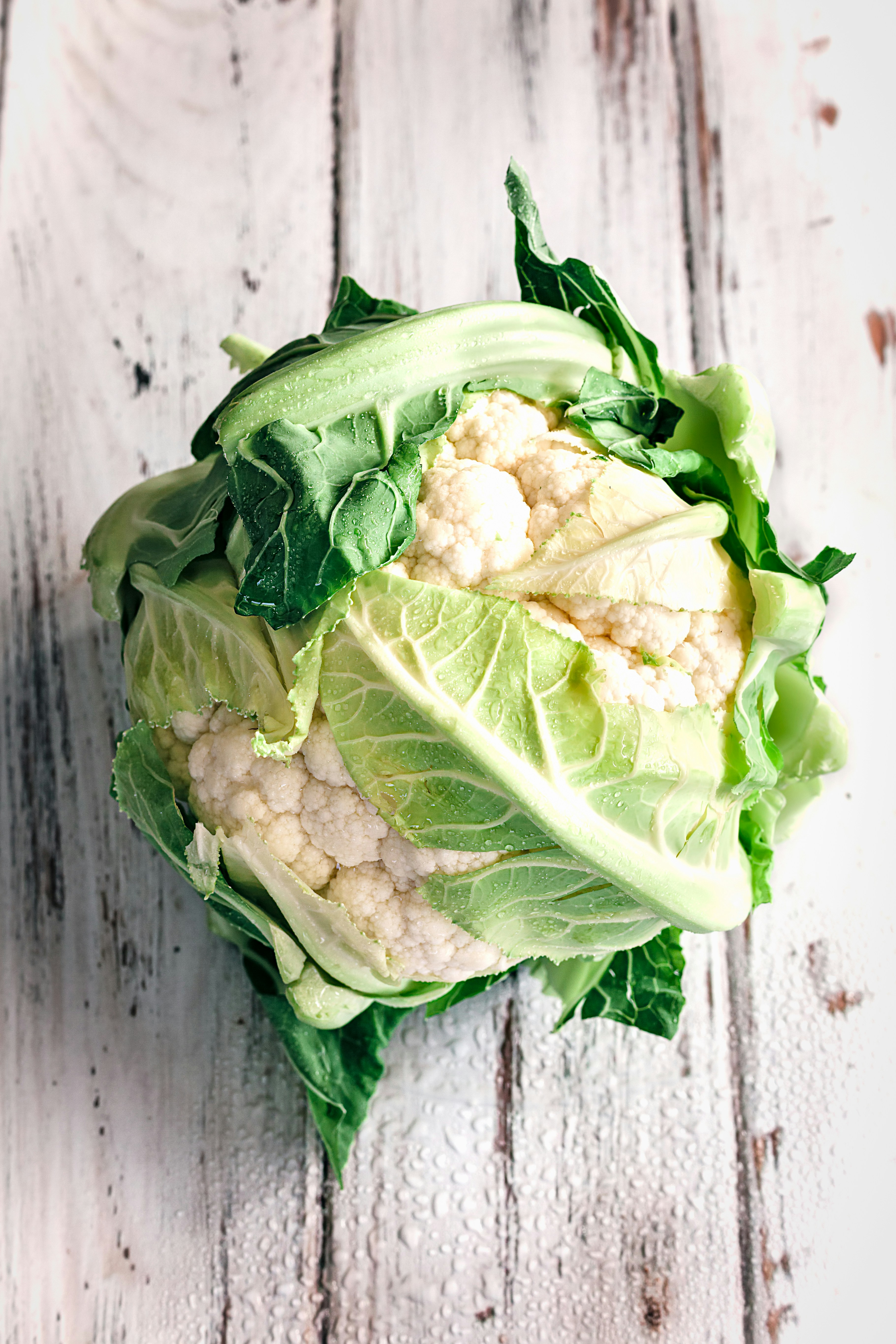
Alcohol is one of the strongest contributors to post-meal bloating. It slows gastric emptying, irritates the digestive lining, and promotes dehydration.
Dehydration causes the body to retain fluid, which increases abdominal swelling.
Hydration Tips for Holiday Meals
- Sip water throughout the day
- Avoid chugging large amounts at once
- Alternate alcoholic drinks with water
- Choose non-alcoholic options when possible
Sparkling water with citrus, herbs, or a splash of juice can feel festive without contributing to bloating.
The European Journal of Gastroenterology notes that moderate hydration supports intestinal motility and reduces digestive discomfort.
Additional Lifestyle Habits That Reduce Bloating
Gentle Movement
Light walking after meals helps stimulate digestion and reduce gas buildup. Avoid lying down immediately after eating.
Mindful Eating
Eating slowly, chewing thoroughly, and minimizing distractions reduces swallowed air and improves digestion.
Stress Management
Stress directly affects gut function via the gut-brain axis. Deep breathing, relaxation, and adequate sleep can significantly reduce bloating symptoms.
Conclusion
Bloating after holiday meals is common, but it is not unavoidable. With mindful eating, balanced choices, adequate hydration, and awareness of personal triggers, you can enjoy festive food without discomfort.
Holidays are about connection, joy, and nourishment — both physical and emotional. Supporting your digestion allows you to fully enjoy the season and feel your best.
References
- National Institute of Diabetes and Digestive and Kidney Diseases (NIDDK)
- American College of Gastroenterology
- Academy of Nutrition and Dietetics
- World Health Organization (WHO)
- U.S. Department of Agriculture (USDA) Dietary Guidelines
- European Journal of Gastroenterology & Hepatology
Comments
Post a Comment
We love your feedback! Please share your thoughts below. All comments are moderated to ensure a positive and helpful community. Spam or inappropriate comments will be removed.