Vitamin B6 (Pyridoxine) in Sports: Science, Practical Use, and How to Optimize Performance Vitamin B6 (Pyridoxine) in Sports: Science, Practical Use, and How to Optimize Performance Detailed evidence-based guide for athletes, coaches, and fitness-minded people. Key Roles Evidence & Studies Food Sources Dosage & Safety Practical Protocol FAQ Introduction Vitamin B6 (collective name for pyridoxine, pyridoxal, pyridoxamine and their phosphorylated forms; active coenzyme = pyridoxal 5'-phosphate — PLP) is a water-soluble B vitamin that participates in more than 100 enzymatic reactions in human metabolism. For athletes and active people, B6's roles in amino-acid metabolism, glycogen utilization, neurotransmitter synthesis, and hemoglobin production make it especially relevant to performance, recovery, and resilience. This article explains those mechanisms, summarizes the scientific e...

How to Boost Your Immunity with These Cold Season Foods

Immune-Boosting Foods for the Cold Season — Part 1

VitalWell Hub — Health & Nutrition

Immune-Boosting Foods for the Cold Season — Part 1

Evidence-based guide • Part 1: Introduction, immune basics, and Vitamin C foods

Introduction

The cold season often brings an increase in respiratory infections, fatigue, and seasonal illnesses. Nutrition plays a key role in supporting your immune defenses — whole foods supply vitamins, minerals, antioxidants, prebiotic fibres, and healthy fats that the immune system requires to function optimally.

This page is Part 1 of a longer evidence-based guide. Part 1 covers: an introduction, how the immune system works, why immunity often dips during colder months, and a deep dive into vitamin C–rich foods.

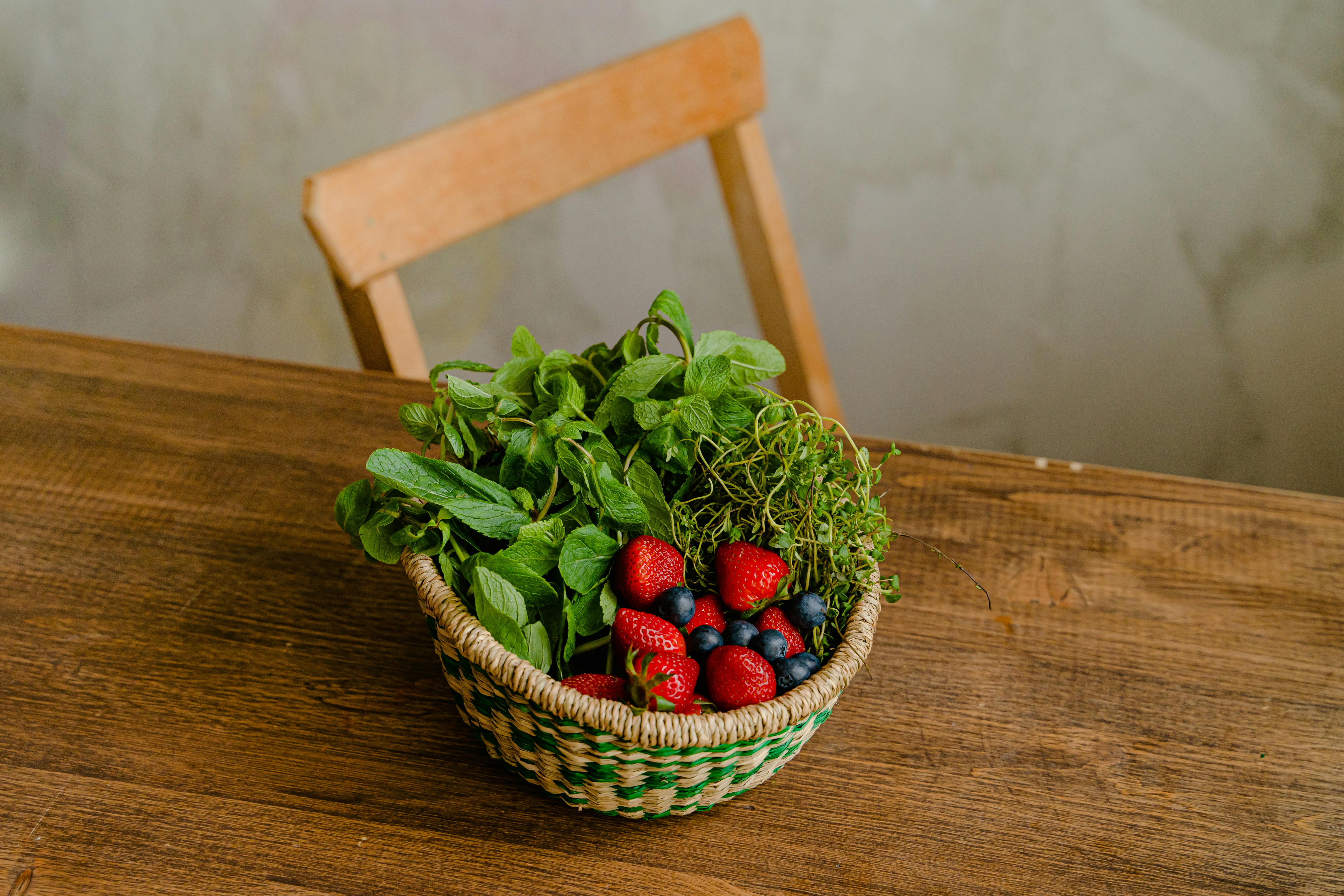
Basket filled with fresh fruits and vegetables, showcasing colorful nutrient-rich produce for immune health

Understanding the Immune System

The immune system is the body's complex defence network that protects against pathogens such as viruses, bacteria and fungi. Major components include white blood cells, antibodies, the lymphatic system, bone marrow, the spleen, thymus, and the gut microbiome.

How immune response works (simplified)

  1. Recognition: Immune cells identify foreign invaders.
  2. Response: Cells and proteins attack the invader.
  3. Elimination: Pathogens are neutralized or removed.
  4. Memory: The immune system remembers and responds faster next time.

Did you know? Approximately 70% of immune activity is linked to the gut-associated lymphoid tissue (GALT). A healthy gut is central to strong immunity.

Why Immunity Drops During the Cold Season

Several factors combine during cold months to make infections more likely:

  • Cold, dry air: Reduces nasal mucosal defence and cilia function.
  • Lower vitamin D: Less sunlight exposure decreases vitamin D synthesis, which is important for immune modulation.
  • Indoor crowding: More time spent indoors increases close contact and transmission.
  • Dehydration: Colder weather reduces perceived thirst leading to drier mucous membranes.
  • Dietary changes: More processed foods and sugar increase inflammation.

Illustration of nasal passages and cilia showing how the respiratory system filters pathogens during the cold season

Top Immune-Boosting Foods — Vitamin C Rich Foods

Vitamin C (ascorbic acid) supports immune cell function, is a potent antioxidant, and contributes to skin and mucosal barrier health. Clinical reviews report modest reductions in duration and severity of common cold symptoms with regular vitamin C intake.

Evidence snapshot

For example, a Cochrane review (2013) reported that regular vitamin C supplementation reduced the duration of common colds by around 8% in adults and 14% in children. (Detailed references at the end of this page.)

Best vitamin C foods to include

  • Oranges and citrus fruits — great for on-the-go vitamin C and hydration.
  • Lemons — perfect in warm water or herbal teas.
  • Strawberries — provide vitamin C and polyphenols.
  • Kiwifruit — high vitamin C per serving.
  • Red bell peppers — often contain 2–3× the vitamin C of oranges by weight.
  • Pineapple — contains bromelain, an enzyme with anti-inflammatory properties.
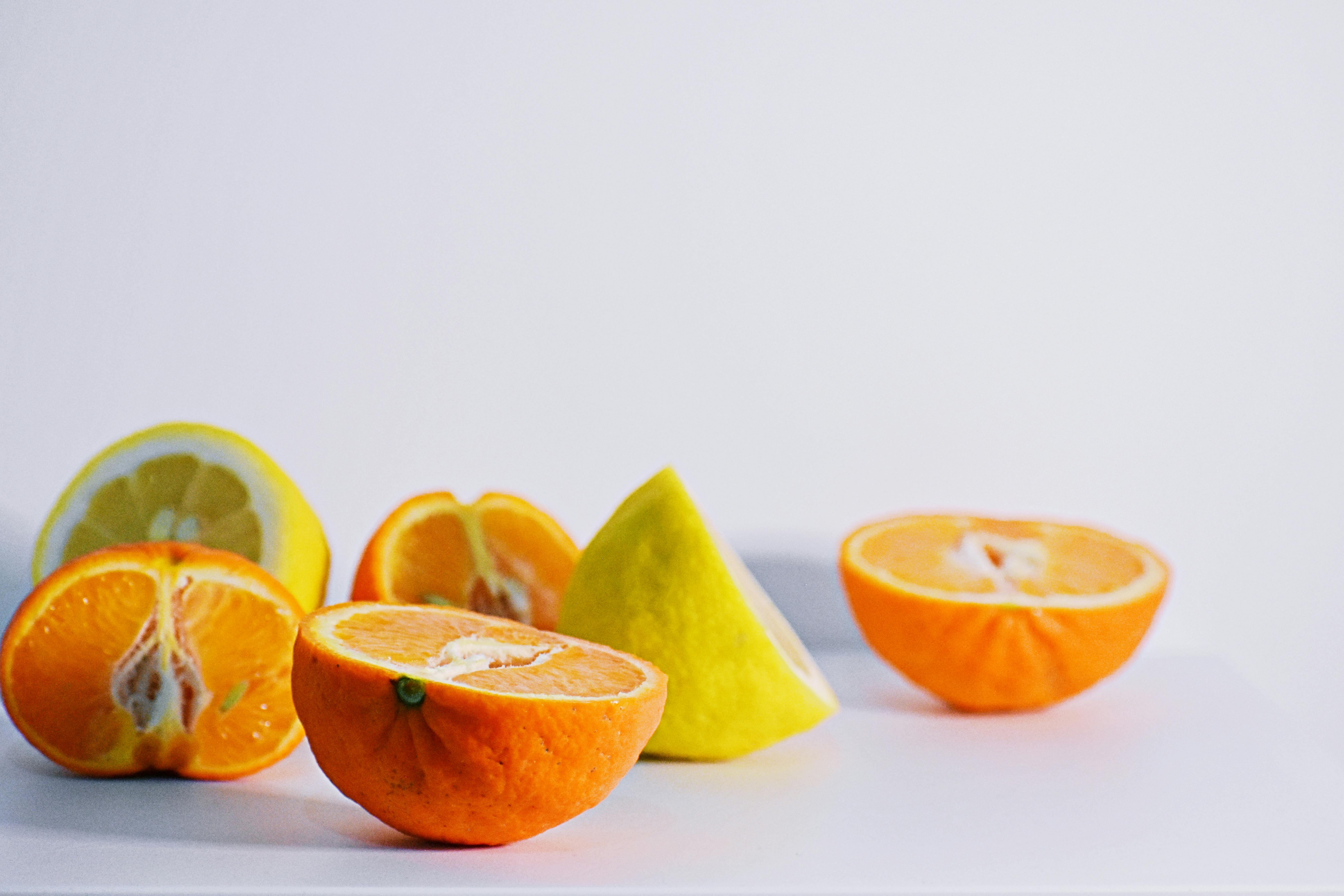
Slices of citrus fruits including oranges and lemons, rich in vitamin C for immune support

Quick serving ideas

  • Start the day with a glass of warm lemon water.
  • Add sliced kiwi or strawberries to morning porridge or yogurt.
  • Roast red bell peppers and add to soups, stews or sandwiches.
  • Blend pineapple with spinach for a vitamin-packed smoothie (spinach adds iron and other micronutrients).
Note on supplements: Whole foods are preferred because they deliver fiber, phytonutrients and cofactors. Supplements may be useful when dietary intake is insufficient or if a clinician recommends them.

References (selected)

  1. Hemilä H, Chalker E. Vitamin C for preventing and treating the common cold. Cochrane Database Syst Rev. 2013.
  2. Martineau AR, et al. Vitamin D supplementation to prevent acute respiratory tract infections: systematic review and meta-analysis. BMJ. 2017.
  3. Harvard Health Publishing. Why are colds more common in winter? Harvard Medical School.

(Full, expanded references and evidence tables will be provided in later parts.)

FAQs (Short)

Q: Will vitamin C prevent a cold?
A: Regular dietary vitamin C supports immunity and may shorten colds; however it is not a guaranteed prevention alone.
Q: How much vitamin C should I eat daily?
A: Many guidelines recommend 75–90 mg/day for adults; higher amounts may be safe from foods. Discuss supplements with your clinician if considering high doses.
Immune-Boosting Foods for the Cold Season — Part 2

VitalWell Hub — Health & Nutrition

Immune-Boosting Foods for the Cold Season — Part 2

Evidence-based guide • Part 2: Vitamin D, Zinc, Antioxidants, Gut Health, Recipes & FAQs

Vitamin D — Sources & How to Use Food

Vitamin D plays a central role in immune regulation. Low vitamin D status is associated with increased risk of respiratory infections. While sun exposure is the primary way the body makes vitamin D, food sources are important during cold months or for people with limited sun exposure.

Top food sources of vitamin D

  • Fatty fish: salmon, mackerel, sardines, trout.
  • Cod liver oil: very high in vitamin D (use under guidance).
  • Fortified dairy and plant milks: many milks are fortified with vitamin D.
  • Egg yolks: contain modest amounts — best from pasture-raised hens.
  • Mushrooms exposed to UV light: can provide vitamin D2 or D3 depending on treatment.

Practical tips

  • Include fatty fish 2–3 times per week for a meaningful vitamin D boost and omega-3 fats.
  • Use fortified milks or cereals at breakfast to top up intake.
  • Consider a clinician-guided supplement if you have known deficiency or limited sun exposure.
Grilled salmon fillets rich in omega-3 fatty acids and nutrients that support immune and heart health

Zinc — Role and Food Sources

Zinc is critical for immune cell development and function. Adequate zinc intake shortens the duration of colds when provided as a supplement early in illness, and maintaining adequate zinc status supports ongoing immune competence.

Rich zinc foods

  • Oysters: the single richest food source of zinc.
  • Red meat and poultry: beef, lamb, chicken.
  • Legumes: lentils, chickpeas, beans (soak and cook well to reduce phytates).
  • Seeds & nuts: pumpkin seeds, sesame seeds, cashews.
  • Whole grains: oats, quinoa (prepare well to improve absorption).

Note on absorption

Plant-based zinc sources contain phytates which can inhibit absorption. Soaking, fermenting, sprouting, and pairing with vitamin C–rich foods help improve zinc bioavailability.

Antioxidant-Rich Foods

Antioxidants neutralize free radicals and reduce oxidative stress, thereby supporting immune function and reducing inflammation. Aim for a colourful plate — different pigments often indicate different antioxidant compounds.

Key antioxidant foods

  • Berries: blueberries, strawberries, raspberries — rich in anthocyanins and polyphenols.
  • Leafy greens: spinach, kale — contain carotenoids and vitamin C.
  • Cruciferous vegetables: broccoli, Brussels sprouts — provide sulforaphane precursors.
  • Green tea: provides catechins (EGCG), which have immune-modulating properties.
  • Dark chocolate (70%+): contains flavanols, enjoy in moderation.
FoodNotable antioxidants / benefits
BlueberriesAnthocyanins — support antioxidant capacity, cognitive health links
SpinachVitamin C, carotenoids — supports mucosal health
Green teaCatechins (EGCG) — anti-inflammatory and antiviral activity in lab studies

Gut-Supporting Foods & Probiotics

As the gut houses a large portion of immune tissue, nurturing a diverse and balanced microbiome supports immune resilience. Foods that feed beneficial bacteria (prebiotics) and foods that contain live beneficial strains (probiotics) are both helpful.

Prebiotic foods

  • Onions, garlic, leeks
  • Bananas (especially slightly underripe)
  • Asparagus, Jerusalem artichoke
  • Whole grains and legumes

Natural probiotic foods

  • Yogurt with live cultures
  • Kefir
  • Sauerkraut and kimchi (naturally fermented)
  • Tempeh and miso
Practical tip: Start small when introducing fermented foods (1–2 tablespoons daily) to allow your gut to adapt.
Glass of kefir and a jar of sauerkraut on a kitchen table, showcasing probiotic-rich fermented foods for gut and immune health

Practical Recipes for the Cold Season

Below are simple, immunity-focused recipes you can use daily.

1. Warming Chicken & Citrus Soup (serves 4)

Ingredients:

  • 1 tbsp olive oil
  • 1 onion, chopped
  • 2 garlic cloves, minced
  • 2 carrots, sliced
  • 2 celery sticks, sliced
  • 300g chicken breast or thighs, diced
  • 1 litre low-sodium chicken stock
  • 1 orange, zest and juice
  • Handful of chopped spinach
  • Salt, pepper and fresh herbs to taste

Method: Sauté onion and garlic in oil until soft. Add carrots and celery, cook 3–4 minutes. Add chicken and brown slightly. Pour in stock, simmer 15–20 minutes until chicken cooked. Stir in orange zest & juice, add spinach, season and serve. (Orange adds vitamin C and bright flavour.)

2. Nutty Oat + Berry Breakfast Bowl (serves 1)

Ingredients:

  • 50g rolled oats cooked in fortified milk
  • Handful mixed berries (fresh or frozen)
  • 1 tbsp pumpkin seeds (zinc source)
  • 1 tbsp chopped walnuts
  • Drizzle of honey or mashed banana

Method: Prepare oats, top with berries, seeds, nuts and sweetener. Enjoy warm to start the day with antioxidants, zinc and fiber.

3. Green Tea & Ginger Immune Boost Drink (makes 1 cup)

Ingredients: 1 cup green tea, 1 tsp grated fresh ginger, 1 tsp lemon juice, honey to taste.

Method: Brew tea, add ginger and lemon, steep 3–4 minutes. Sweeten lightly. Ginger adds anti-inflammatory properties; lemon adds vitamin C.

FAQs (Expanded)

Q: Should I take vitamin D supplements in winter?
A: Many people benefit from clinician-advised supplementation if levels are low or sun exposure is limited. Blood testing can guide dosing.
Q: Can I get enough zinc from a plant-based diet?
A: Yes, but attention is needed to preparation methods (soaking, fermenting) and including higher-zinc plant foods like pumpkin seeds, legumes and whole grains.
Q: How soon will these foods affect my immunity?
A: Nutrition is a long-term investment; some effects (e.g., improved energy, digestion) may appear in days-weeks. Immune resilience builds over weeks-months with consistent habits.

References (selected)

  1. Martineau AR, et al. Vitamin D supplementation to prevent acute respiratory tract infections: systematic review and meta-analysis. BMJ.
  2. Hemilä H, Chalker E. Vitamin C for preventing and treating the common cold. Cochrane Database Syst Rev.
  3. Prasad AS. Zinc in human health: effect of zinc on immune cells. Mol Med. 2008.
  4. Rooks MG, Garrett WS. Gut microbiota, metabolites and host immunity. Nature Reviews Immunology.
Immune-Boosting Foods for the Cold Season — Part 3

VitalWell Hub — Health & Nutrition

Immune-Boosting Foods for the Cold Season — Part 3

Anti-inflammatory herbs & spices, hydration & electrolytes, sample meal plans, evidence tables, and expanded references.

Anti-inflammatory Herbs & Spices

Herbs and spices are concentrated sources of polyphenols and bioactive compounds that reduce inflammation, support antioxidant defenses, and in some cases possess direct antimicrobial or antiviral properties. Incorporate them daily — they add flavour and measurable benefits.

Key herbs & spices and how to use them

  • Turmeric (curcumin) — a potent anti-inflammatory. Use fresh turmeric root or turmeric powder (pair with black pepper and fat to increase absorption). Add to soups, stews, golden milk or smoothies.
  • Ginger — anti-inflammatory and may ease respiratory symptoms. Use in teas, broths, stir-fries, and marinades.
  • Garlic — contains allicin which exhibits antimicrobial activity. Use raw or lightly cooked in dressings, soups, and sautés.
  • Cinnamon — antioxidant-rich; great in breakfast bowls and baking.
  • Oregano & thyme — high in phenolic compounds with antimicrobial properties; ideal in sauces, stews, and roasted dishes.
  • Rosemary — antioxidant and anti-inflammatory benefits; pairs well with roasted vegetables and meats.
Assortment of fresh herbs and spices displayed on a wooden surface, highlighting natural ingredients that support immune health

Practical dosing & safety

Herbs used as food are generally safe. If using concentrated extracts or high-dose supplements (e.g., curcumin >1 g/day), consult a clinician especially if pregnant, breastfeeding, on blood thinners, or managing chronic disease.

Hydration & Electrolytes for Cold Weather

Hydration remains essential during cold seasons — dry indoor air and lower perceived thirst can lead to reduced fluid intake. Proper hydration keeps mucous membranes moist, supports lymph flow, and helps clear pathogens.

Tips to stay hydrated

  • Drink warm herbal teas, broths and soups — they hydrate and provide nutrients.
  • Include water-rich foods: citrus, cucumber, tomatoes, zucchini, and soups.
  • Add a pinch of salt and lemon to water in the morning to support electrolytes after overnight fast.
  • Monitor urine colour — pale straw indicates good hydration.

Electrolytes — what matters

Key electrolytes: sodium, potassium, magnesium, and calcium. Most people maintain electrolyte balance through varied whole foods. Consider oral rehydration solutions (ORS) only for dehydration from fever, vomiting, or diarrhoea.

ElectrolyteFood sourcesRole
PotassiumBananas, potatoes, spinach, avocadosMaintains cell function and fluid balance
MagnesiumLeafy greens, nuts, seeds, whole grainsSupports muscle and immune cell function
SodiumTable salt, soups, brothsMaintains blood volume and nerve function

7-Day Sample Meal Plan (Immunity-Focused)

This plan emphasises vitamin C, vitamin D sources, zinc, antioxidants, prebiotic fibre, fermented foods and anti-inflammatory herbs. Portions can be adjusted for energy needs, allergies, and preferences.

DayBreakfastLunchSnackDinner
Mon Oat bowl with berries, pumpkin seeds, fortified milk Grilled salmon, quinoa, steamed broccoli Yogurt with honey & kiwi Chicken & citrus soup with spinach
Tue Scrambled eggs, whole-grain toast, avocado Lentil & vegetable stew with red peppers Apple & handful of walnuts Stir-fry tofu with garlic, ginger, mixed veg, brown rice
Wed Greek yogurt, sliced banana, cinnamon, chia seeds Turkey & spinach salad with citrus dressing Carrot sticks & hummus Mackerel, sweet potato mash, steamed kale
Thu Porridge with kiwi and pumpkin seeds Bean & vegetable chili with red bell peppers Orange & dark chocolate square Miso soup, brown rice, steamed bok choy
Fri Fortified cereal with milk, berries Grilled chicken wrap with mixed salad & oregano Kefir smoothie with spinach Baked trout, roasted vegetables, lentils
Sat Omelette with mushrooms & tomatoes Quinoa salad with chickpeas, parsley, lemon Handful mixed nuts Vegetable curry with turmeric, brown rice
Sun Whole-grain pancakes, berries, yogurt Roast beef or tempeh, roasted root veg Fresh pineapple slices Chicken bone broth soup with garlic & ginger

Tip: Batch-cook soups and stews to have warm, nutrient-dense meals ready during busy cold-season days.

Evidence Tables (Selected Studies)

The table below summarises some load-bearing studies supporting the nutrition strategies recommended in this series.

TopicStudy / SourceKey finding
Vitamin C & common cold Cochrane Review — Hemilä & Chalker, 2013 Regular vitamin C reduced cold duration by ~8% in adults and ~14% in children.
Vitamin D & respiratory infections Martineau et al., BMJ meta-analysis, 2017 Vitamin D supplementation reduced risk of acute respiratory infections, especially in those with low baseline levels.
Zinc & cold Randomized trials & meta-analyses (various) Early zinc (within 24 hours of symptoms) may reduce duration and severity of common cold.
Probiotics & URTI Multiple RCTs; review evidence Certain probiotic strains reduce incidence and duration of upper respiratory tract infections.
Curcumin anti-inflammatory Systematic reviews of trials Curcumin exhibits anti-inflammatory effects in multiple chronic conditions; bioavailability is key.

Expanded References (selected)

  1. Hemilä H, Chalker E. Vitamin C for preventing and treating the common cold. Cochrane Database Syst Rev. 2013.
  2. Martineau AR, Jolliffe DA, Hooper RL, et al. Vitamin D supplementation to prevent acute respiratory tract infections: systematic review and meta-analysis. BMJ. 2017;356:i6583.
  3. Prasad AS. Zinc in human health: effect of zinc on immune cells. Mol Med. 2008;14(5-6):353-357.
  4. Korpela K. Probiotics and respiratory infections — review. Nutrients. 2018.
  5. Daily JW, Yang M, Park S. Efficacy of turmeric extracts and curcumin for alleviating the symptoms of joint arthritis: a systematic review and meta-analysis of randomized clinical trials. J Med Food. 2016.
  6. Rooks MG, Garrett WS. Gut microbiota, metabolites and host immunity. Nature Reviews Immunology. 2016.
Immune-Boosting Foods for the Cold Season — Part 4 (Complete Compilation)

VitalWell Hub — Evidence-based Nutrition

Immune-Boosting Foods for the Cold Season — Complete Compilation

Evidence tables & key studies

TopicStudySummary
Vitamin CHemilä & Chalker, Cochrane Review 2013Regular vitamin C modestly reduced common cold duration; prophylactic benefit limited to certain groups.
Vitamin DMartineau et al., BMJ 2017Vitamin D supplementation reduced risk of acute respiratory infections overall, with greatest benefit in those with deficiency.
ZincPrasad AS, Mol Med 2008Zinc critical for immune cell function; supplementation shown to reduce infection incidence in deficient populations.
Gut microbiotaRooks & Garrett, Nat Rev Immunol 2016Gut microbial metabolites regulate immune homeostasis and affect susceptibility to immune-mediated diseases.

Full references

  1. Hemilä H, Chalker E. Vitamin C for preventing and treating the common cold. Cochrane Database Syst Rev. 2013;2013(1):CD000980. doi: 10.1002/14651858.CD000980.pub4.
  2. Martineau AR, Jolliffe DA, Hooper RL, et al. Vitamin D supplementation to prevent acute respiratory tract infections: systematic review and meta-analysis of individual participant data. BMJ. 2017;356:i6583. doi:10.1136/bmj.i6583.
  3. Prasad AS. Zinc in human health: effect of zinc on immune cells. Mol Med. 2008;14(5-6):353-357. doi:10.2119/2008-00033.Prasad.
  4. Rooks MG, Garrett WS. Gut microbiota, metabolites and host immunity. Nat Rev Immunol. 2016;16(6):341-352. doi:10.1038/nri.2016.42.
  5. Hemilä H. Vitamin C and respiratory infections: update. Nutrients. 2017;9(4):339. doi:10.3390/nu9040339.
  6. Jolliffe DA, Camargo CA Jr, Sluyter JD, et al. Vitamin D supplementation and respiratory infections: updated meta-analysis. Lancet Diabetes Endocrinol. 2025. (See DOI in latest Lancet publication.)

FAQS

Can vitamin C prevent the common cold?

Regular vitamin C supports immune function and may reduce the duration and severity of colds in some people, but it is not a guaranteed preventive. Evidence from Cochrane reviews shows modest reductions in cold duration with regular intake.

Should I take vitamin D during winter?

If you have limited sun exposure or confirmed deficiency, clinician-guided vitamin D supplementation may be beneficial. Meta-analyses indicate small protective effects for respiratory infections, particularly in deficient individuals.

What foods are best for immune health?

Focus on vitamin C–rich fruits (citrus, kiwi, berries), vitamin D sources (fatty fish, fortified milks), zinc (oysters, seeds, legumes), antioxidants (leafy greens, berries), and fermented/prebiotic foods for gut health.