Cardiac Arrest: Understanding the Silent Killer
Introduction
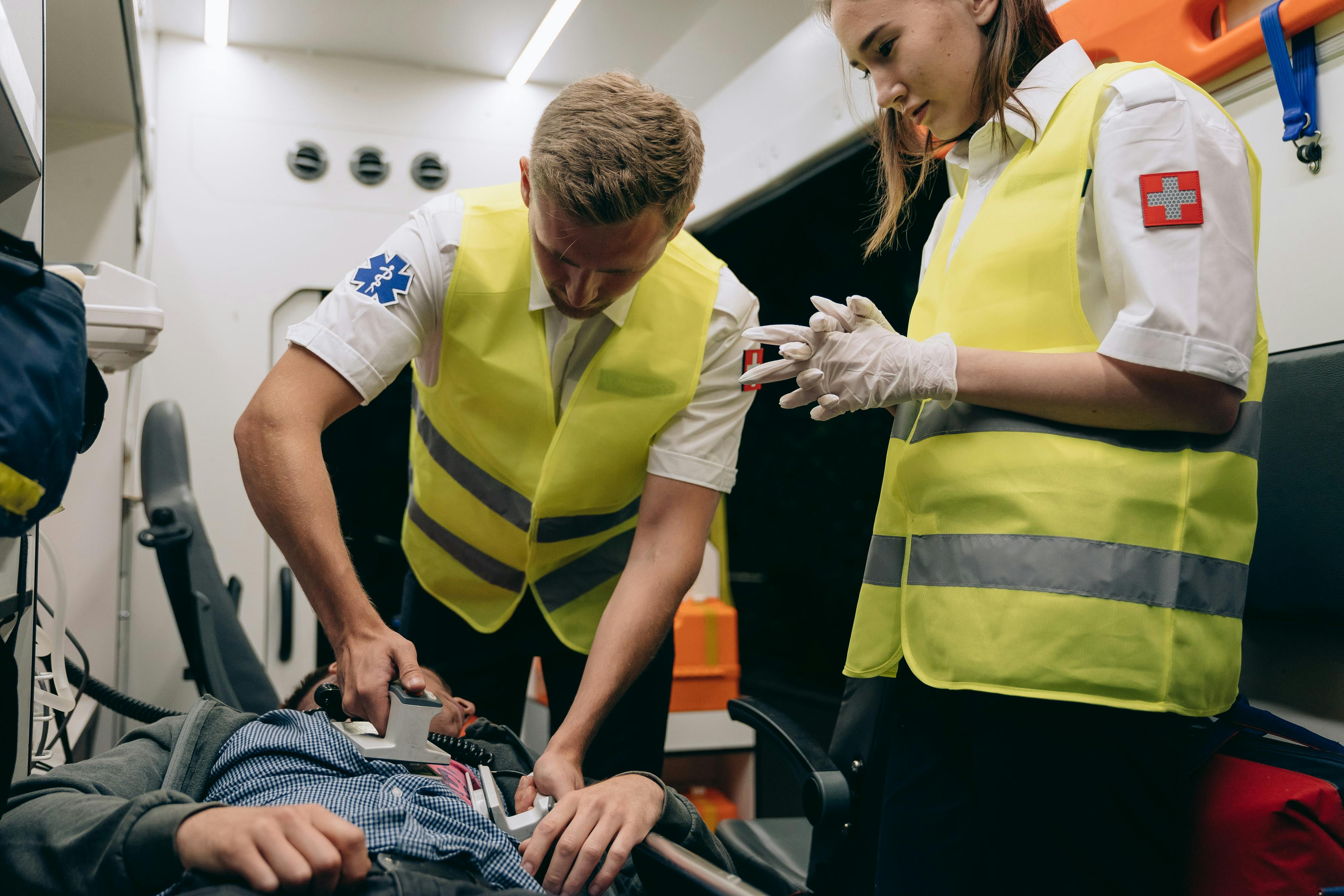
Every year, millions of people around the world lose their lives suddenly due to cardiac arrest — a condition that can strike without warning and without mercy. Unlike a heart attack, which often gives early signs such as chest pain or fatigue, cardiac arrest stops the heart’s rhythm entirely, halting the flow of blood and oxygen throughout the body. Without immediate intervention — within just four to six minutes — the lack of oxygen can cause permanent brain damage or death.
Cardiac arrest is not just a medical emergency; it is a public health crisis. According to the World Health Organization (WHO) and the American Heart Association (AHA), sudden cardiac arrest (SCA) is one of the leading causes of death worldwide, accounting for up to fifteen to twenty percent of all global deaths annually. Despite its prevalence, many people do not know how to recognize it, what causes it, or how to respond effectively.
This article dives deep into the world of cardiac arrest — explaining its causes, symptoms, risk factors, treatment, and, most importantly, how to save a life. It is designed for students, health professionals, and everyday readers who want to be informed and ready.
What Is Cardiac Arrest?
Cardiac arrest occurs when the heart suddenly stops beating effectively, leading to a complete halt in blood circulation. When this happens, oxygen-rich blood cannot reach vital organs like the brain, lungs, and kidneys. If the situation is not reversed quickly — usually within minutes — it leads to death.
Medically, cardiac arrest is classified as an electrical problem in the heart. The heart relies on a finely tuned electrical system to keep it pumping in a coordinated rhythm. When this electrical system fails, the heart muscle quivers (a condition known as ventricular fibrillation) or stops beating entirely (asystole).
Without immediate cardiopulmonary resuscitation (CPR) and defibrillation (an electric shock to restore rhythm), survival chances drop by seven to ten percent every minute that passes.
Cardiac Arrest vs. Heart Attack
Many people use the terms heart attack and cardiac arrest interchangeably, but they are not the same thing. Understanding the difference can save a life.
| Feature | Heart Attack (Myocardial Infarction) | Cardiac Arrest |
|---|---|---|
| Cause | Blockage in the blood flow to heart muscle | Electrical malfunction in the heart |
| Effect | Damage to part of the heart muscle | Heart stops beating suddenly |
| Consciousness | Person usually remains conscious initially | Person becomes unresponsive instantly |
| Breathing | Still breathing (though painful or difficult) | No breathing or gasping only |
| Treatment | Needs urgent hospital care (angioplasty, medication) | Needs CPR and defibrillation immediately |
In short, a heart attack can lead to cardiac arrest, but cardiac arrest is the final and most dangerous stage of heart malfunction.
The Physiology Behind Cardiac Arrest
To appreciate how quickly cardiac arrest turns fatal, it helps to understand what happens inside the body:
- Electrical Disruption: The heart’s sinoatrial node — the natural pacemaker — malfunctions. The heart’s normal rhythm (sinus rhythm) is replaced by chaotic, irregular electrical activity.
- Loss of Pumping Function: The ventricles (lower chambers) may fibrillate or quiver instead of contracting properly. This means blood is not pumped out to the body.
- Oxygen Deprivation: Without blood flow, oxygen stops reaching the brain and other organs.
- Collapse and Unresponsiveness: The person collapses within seconds, stops breathing, and has no pulse.
- Cell Death Begins: Within four to six minutes, brain cells start dying. After ten minutes without oxygen, irreversible brain damage is almost certain.
Global and Local Statistics
- In the United States, about 356,000 out-of-hospital cardiac arrests occur annually (AHA, 2023), and only about ten percent survive to hospital discharge.
- In Europe, survival rates range between eight and twenty percent, depending on response time and CPR quality.
- In Kenya and Sub-Saharan Africa, exact numbers are underreported, but limited emergency response systems make outcomes worse — survival after sudden collapse is often below five percent.
However, survival doubles or even triples when bystanders start CPR immediately before emergency responders arrive.
Sources: American Heart Association 2023, European Resuscitation Council 2022, WHO Global Health Observatory
The Importance of Early Recognition
One of the key lessons from cardiac arrest research is that early action saves lives. Recognizing the warning signs — even seconds before collapse — can make the difference between life and death.
Common Early Signs
- Sudden collapse or loss of consciousness
- No pulse or heartbeat
- No breathing or only gasping
- Sudden dizziness, chest pain, or shortness of breath right before collapse
- Unresponsiveness even after shaking or calling their name
At this stage, every second counts. The ideal response is:
- Call for help (999 or local emergency number).
- Start chest compressions immediately.
- Use an Automated External Defibrillator (AED) if available.
Case Example: The Importance of Immediate Action
In 2022, during a football match, Danish midfielder Christian Eriksen collapsed on the pitch — his heart had stopped. The swift response of his teammates, who recognized the signs and began CPR, combined with immediate defibrillation by medical staff, saved his life.
This case, widely covered by BBC and medical journals, demonstrates that early CPR and defibrillation are often the only difference between life and death. It is a reminder that cardiac arrest can happen to anyone, anywhere — even young, healthy athletes.
Why Cardiac Arrest Happens Suddenly
- Coronary artery disease (CAD) – the leading cause worldwide
- Heart attacks (myocardial infarction) – can trigger arrest
- Abnormal heart rhythms (arrhythmias)
- Cardiomyopathy – weakened heart muscle
- Electrolyte imbalances – such as low potassium or magnesium
- Severe blood loss or shock
- Respiratory failure
- Electric shock, drowning, or trauma
Each cause disrupts the heart’s electrical system, preventing it from maintaining normal rhythm.
The Chain of Survival
The American Heart Association’s Chain of Survival describes the critical steps that must occur to save a cardiac arrest victim:
- Early Recognition and Call for Help
- Early CPR (high-quality chest compressions)
- Early Defibrillation (AED use)
- Advanced Life Support (paramedics, drugs, hospital care)
- Post-Cardiac Arrest Care (ICU, rehabilitation)
When this chain is followed properly, survival can increase from ten percent to over fifty percent.
Frequently Asked Questions (Q&A)
Q1: Can cardiac arrest happen without warning?
Yes. Many victims have no prior symptoms — that is why training in CPR is so important.
Q2: How fast should CPR start?
Within ten seconds of confirming unresponsiveness and no breathing.
Q3: Is cardiac arrest the same as dying?
It is a form of clinical death, but not biological death — if treated quickly, the person can fully recover.
References
- American Heart Association (2023). Heart Disease and Stroke Statistics — 2023 Update.
- World Health Organization (2023). Cardiovascular Diseases (CVDs) Fact Sheet.
- European Resuscitation Council (2022). Guidelines for Resuscitation.
- BBC Sport (2022). Christian Eriksen: Footballer’s Cardiac Arrest Incident.
- Mayo Clinic (2024). Cardiac Arrest: Causes and Symptoms.
Causes, Risk Factors, and Warning Signs of Cardiac Arrest
1. Major Causes of Cardiac Arrest
Cardiac arrest rarely occurs without an underlying reason. In most cases, it is the result of pre-existing heart disease or a sudden disruption of the heart’s electrical system. Understanding these causes helps prevent tragedies and guide early management.
a. Coronary Artery Disease (CAD)
Coronary artery disease remains the most common cause of cardiac arrest globally. It occurs when the arteries that supply blood to the heart become narrowed or blocked by cholesterol deposits known as plaques. This limits oxygen delivery to the heart muscle, triggering ischemia and dangerous heart rhythms such as ventricular fibrillation. Studies show that up to 80% of sudden cardiac deaths in adults are associated with CAD.
b. Heart Attack (Myocardial Infarction)
A severe heart attack can directly trigger cardiac arrest. When the blood flow to a section of the heart muscle is completely blocked, that portion becomes electrically unstable. This can result in lethal arrhythmias that stop the heart’s pumping function. Quick intervention during a heart attack significantly reduces the risk of cardiac arrest.
c. Abnormal Heart Rhythms (Arrhythmias)
The heart’s rhythm is controlled by specialized electrical impulses. When these impulses misfire or travel abnormally, the heart can beat too fast, too slow, or irregularly. The most dangerous arrhythmias leading to cardiac arrest include ventricular fibrillation, ventricular tachycardia, and asystole.
d. Cardiomyopathy
Cardiomyopathy refers to diseases of the heart muscle that cause it to enlarge, stiffen, or weaken. This prevents the heart from pumping efficiently. Dilated cardiomyopathy, hypertrophic cardiomyopathy, and restrictive cardiomyopathy are examples that predispose patients to sudden cardiac arrest, especially during physical exertion.
e. Congenital Heart Disease
Some individuals are born with structural heart abnormalities that disrupt electrical flow. These congenital conditions can remain silent for years before causing sudden cardiac arrest. Routine screening in children and athletes helps detect such hidden defects early.
f. Severe Blood Loss or Shock
Significant bleeding or trauma can cause a dangerous drop in blood pressure, reducing oxygen delivery to the heart and brain. The resulting shock may trigger cardiac arrest if not corrected quickly with fluid resuscitation and emergency care.
g. Electrolyte Imbalances
The heart depends on electrolytes — potassium, calcium, and magnesium — for stable electrical function. When these minerals are too low or too high, the risk of arrhythmia increases. Severe hypokalemia or hypomagnesemia, often caused by dehydration or certain medications, can be fatal if untreated.
h. Drug Overdose and Poisoning
Stimulants such as cocaine, methamphetamines, and certain prescription drugs may cause irregular heart rhythms or spasm of the coronary arteries. Opioid overdoses can also lead to respiratory arrest, which precedes cardiac arrest.
i. Electric Shock and Drowning
External trauma, electrocution, and drowning directly interfere with the electrical or oxygen supply to the heart. In such cases, immediate CPR and defibrillation are critical before emergency medical teams arrive.
2. Risk Factors That Increase the Likelihood of Cardiac Arrest
While cardiac arrest can occur unexpectedly, certain individuals face a much higher risk. These risk factors can be classified into modifiable (those that can be changed or improved) and non-modifiable (those that cannot be changed).
Non-Modifiable Risk Factors
- Age: The risk increases significantly after 45 years in men and 55 years in women.
- Gender: Men are more likely to experience cardiac arrest than women, though women’s risk rises after menopause.
- Family History: A family history of sudden cardiac death or inherited heart conditions such as Long QT Syndrome or Brugada Syndrome increases vulnerability.
- Genetic Mutations: Certain rare genetic disorders affecting ion channels in the heart make electrical abnormalities more likely.
Modifiable Risk Factors
- Smoking: Cigarette smoke damages arteries and decreases oxygen delivery to the heart.
- High Blood Pressure: Chronic hypertension thickens the heart muscle and promotes arrhythmia.
- High Cholesterol Levels: Elevated LDL cholesterol contributes to plaque buildup in arteries.
- Diabetes: Poorly controlled blood sugar damages blood vessels and nerves regulating heart rhythm.
- Obesity and Sedentary Lifestyle: Excess weight and lack of exercise strain the cardiovascular system.
- Excessive Alcohol or Drug Use: Both alcohol and stimulants disrupt heart rhythm and raise sudden death risk.
- Stress and Poor Sleep: Chronic stress and sleep deprivation increase adrenaline levels, predisposing to arrhythmia.
Addressing these modifiable risks through healthy lifestyle choices, medical screening, and consistent follow-up care can prevent most cardiac arrests before they occur.
3. Early Warning Signs Before Cardiac Arrest
Contrary to popular belief, many victims of sudden cardiac arrest experience symptoms in the hours or days leading up to the event. Recognizing these signs early gives an opportunity for life-saving intervention.
Common Warning Symptoms
- Unexplained chest discomfort, tightness, or pressure.
- Shortness of breath, especially during minimal activity or rest.
- Palpitations — a feeling of rapid, irregular, or pounding heartbeat.
- Sudden dizziness, lightheadedness, or near fainting (syncope).
- Fatigue and weakness without clear reason.
- Unexplained sweating, nausea, or vomiting.
These symptoms should never be ignored, particularly in individuals with known heart disease. Immediate medical evaluation, including ECG and cardiac enzyme testing, is recommended.
4. The Challenge of Silent Cardiac Arrest
In a significant number of cases, cardiac arrest occurs without any warning. This phenomenon, called silent cardiac arrest, is especially common among young athletes and individuals with undiagnosed electrical disorders. Regular medical checkups, sports screening, and wearable monitoring devices can help detect abnormalities before they turn fatal.
5. Linking Risk Factors to Prevention
Prevention begins with awareness. By managing chronic illnesses such as hypertension, diabetes, and obesity, and avoiding high-risk habits like smoking and substance abuse, the likelihood of cardiac arrest drops dramatically. Public access to defibrillators and widespread CPR training can also make communities safer.
References (Part 2)
- American Heart Association. (2023). Heart Disease and Stroke Statistics – 2023 Update.
- World Health Organization. (2024). Cardiovascular Diseases Fact Sheet.
- European Society of Cardiology. (2022). Risk Factors for Sudden Cardiac Death.
- Mayo Clinic. (2024). Cardiac Arrest – Causes and Risk Factors.
- British Heart Foundation. (2023). Preventing Sudden Cardiac Arrest.
Diagnosis, Emergency Response, and Treatment of Cardiac Arrest
1. Diagnosis of Cardiac Arrest
Cardiac arrest is primarily a clinical diagnosis that must be recognized immediately. The diagnosis does not depend on complex tests at the moment of collapse but on identifying three critical findings: unresponsiveness, absence of breathing, and lack of a palpable pulse.
a. Immediate Assessment
When a person suddenly collapses, quick evaluation following the ABC (Airway, Breathing, Circulation) approach helps determine if cardiac arrest has occurred. Trained responders are taught to spend no more than ten seconds assessing for normal breathing and pulse before beginning cardiopulmonary resuscitation (CPR).
b. Confirmatory Signs
- Unresponsiveness even after verbal and physical stimulation.
- Absence of breathing or only gasping (agonal respirations).
- No detectable pulse in major arteries such as the carotid or femoral artery.
Once these signs are confirmed, immediate resuscitation efforts must begin without delay. Waiting for medical confirmation wastes precious seconds that can cost a life.
c. Advanced Diagnostic Tools (in Hospital)
- Electrocardiogram (ECG): Determines the cardiac rhythm — ventricular fibrillation, pulseless ventricular tachycardia, pulseless electrical activity, or asystole.
- Blood Tests: Evaluate oxygen levels, electrolytes, cardiac enzymes, and acid-base balance after resuscitation.
- Imaging Studies: Echocardiography and coronary angiography help identify structural or ischemic causes once the patient stabilizes.
2. Emergency Response: The First Few Minutes
The first few minutes following a cardiac arrest are the most critical. Immediate action by bystanders or first responders often determines whether the victim survives. The American Heart Association (AHA) recommends following the Chain of Survival for out-of-hospital cardiac arrest.
a. Recognize Cardiac Arrest and Call for Help
As soon as cardiac arrest is suspected, emergency medical services (EMS) should be activated by calling the local emergency number (for example, 999 in Kenya or 911 in the United States). Dispatchers often provide step-by-step CPR instructions over the phone.
b. Start High-Quality CPR
CPR (cardiopulmonary resuscitation) maintains blood flow to vital organs until normal heart function returns. It involves rhythmic chest compressions at the center of the chest, between the nipples, at a rate of 100 to 120 compressions per minute and a depth of about 5 to 6 cm (2 inches).
- Ensure the victim is lying on a firm surface.
- Place the heel of one hand on the chest center, with the other on top.
- Push hard and fast — allow full recoil between compressions.
- If trained, provide two rescue breaths after every 30 compressions.
Continuous compressions are critical until professional help arrives or the victim shows signs of life.
c. Early Defibrillation Using an AED
Defibrillation delivers an electric shock to the heart to restore a normal rhythm. An Automated External Defibrillator (AED) should be used as soon as possible when available. Modern AEDs are designed for public use and provide clear audio instructions.
Studies show that using an AED within the first three to five minutes of collapse can increase survival rates by up to 70 percent. Shopping malls, airports, schools, and sports facilities are increasingly equipped with AEDs for this reason.
d. Basic Life Support (BLS) Sequence
- Check responsiveness and breathing.
- Call emergency services or ask someone to do so.
- Begin chest compressions immediately.
- Attach and follow AED instructions if available.
- Continue CPR until advanced help arrives.
3. Advanced Life Support (ALS) and Hospital Management
Once professional responders arrive, advanced life support begins. This phase focuses on restoring spontaneous circulation, stabilizing the patient, and identifying the underlying cause.
a. Airway Management and Oxygenation
Healthcare providers secure the airway using endotracheal intubation or other advanced devices. 100 percent oxygen is administered to correct hypoxia, and ventilation is optimized to maintain normal carbon dioxide levels.
b. Cardiac Rhythm Monitoring and Defibrillation
Continuous ECG monitoring guides treatment. For shockable rhythms (ventricular fibrillation or pulseless ventricular tachycardia), defibrillation is repeated every two minutes until rhythm conversion or termination of efforts.
c. Medication Administration
Drugs used during cardiac arrest management include:
- Epinephrine (Adrenaline): 1 mg every 3–5 minutes to improve coronary perfusion.
- Amiodarone or Lidocaine: For refractory ventricular fibrillation or tachycardia.
- Atropine: Occasionally used for severe bradycardia or asystole.
- Sodium Bicarbonate: Administered in prolonged resuscitation for severe acidosis or hyperkalemia.
d. Reversible Causes (The Hs and Ts)
During resuscitation, clinicians search for reversible causes summarized by the Hs and Ts mnemonic:
Hs:
- Hypoxia
- Hypovolemia
- Hypothermia
- Hydrogen ion (acidosis)
- Hypo/hyperkalemia
- Hypoglycemia
Ts:
- Tension pneumothorax
- Tamponade (cardiac)
- Toxins
- Thrombosis (coronary or pulmonary)
- Trauma
Correcting these underlying problems is vital to restoring spontaneous circulation.
e. Post-Resuscitation Care
Once the patient regains a heartbeat, attention shifts to preventing secondary injury. Key steps include:
- Maintaining adequate oxygenation and blood pressure.
- Targeted temperature management (mild hypothermia) to protect brain cells.
- Urgent cardiac catheterization for suspected myocardial infarction.
- Continuous neurological monitoring and supportive care in an intensive care unit (ICU).
4. Survival Rates and Prognosis
Survival from cardiac arrest depends heavily on the speed and quality of response. According to global statistics from the American Heart Association (2023), only about 10 percent of people who suffer out-of-hospital cardiac arrest survive to hospital discharge. However, this rate can rise to 40–50 percent in systems with strong community CPR training and early defibrillation access.
Factors improving survival include:
- Witnessed collapse with immediate bystander CPR.
- Availability and use of AEDs in public areas.
- Rapid arrival of emergency services.
- Effective post-resuscitation care, including hypothermia therapy.
References (Part 3)
- American Heart Association. (2023). Guidelines for Cardiopulmonary Resuscitation and Emergency Cardiovascular Care.
- European Resuscitation Council. (2022). Advanced Life Support Guidelines.
- Mayo Clinic. (2024). Cardiac Arrest Treatment and Emergency Response.
- Resuscitation Council UK. (2023). Post-Resuscitation Care Guidance.
- World Health Organization. (2024). Emergency Cardiac Care Systems and Global Outcomes.
Recovery, Complications, and Long-Term Management After Cardiac Arrest
1. Post-Resuscitation Care Overview
Surviving a cardiac arrest marks only the beginning of a long and complex recovery journey. Post-resuscitation care focuses on restoring organ function, preventing recurrence, and optimizing neurological outcomes. Immediate intensive care unit (ICU) management is essential for continuous monitoring and treatment of organ systems that may have been deprived of oxygen during the event.
According to the European Resuscitation Council (ERC, 2022), patients who regain spontaneous circulation require structured management to minimize the effects of ischemia-reperfusion injury, which can damage the brain, heart, and kidneys.
2. Neurological Recovery and Brain Protection
Brain injury is one of the most critical complications following cardiac arrest. The longer the brain is deprived of oxygen, the higher the risk of permanent neurological damage. To mitigate this, clinicians employ a strategy known as Targeted Temperature Management (TTM).
a. Targeted Temperature Management (TTM)
TTM involves lowering the patient’s body temperature to between 32°C and 36°C for 24–48 hours. Cooling reduces metabolic demand, inflammation, and cell death, improving the chances of neurological recovery.
b. Neurological Assessment
After stabilization, doctors evaluate neurological function through:
- Glasgow Coma Scale (GCS) scoring
- Brainstem reflex testing (pupil and corneal response)
- Electroencephalography (EEG) for brain activity
- CT or MRI scans for evidence of hypoxic injury
Some patients may awaken within hours, while others require days or weeks, depending on the severity of injury.
3. Cardiac Evaluation and Management
Following resuscitation, determining the cause of the arrest is crucial for preventing recurrence. Cardiac assessment typically involves several steps:
a. Electrocardiogram and Blood Tests
An ECG helps detect ischemic changes, arrhythmias, or conduction abnormalities. Cardiac enzyme tests, such as troponin levels, indicate if a heart attack (myocardial infarction) caused the event.
b. Echocardiography
This ultrasound test assesses heart structure and function — checking for wall motion abnormalities, valve disorders, and left ventricular ejection fraction (LVEF).
c. Coronary Angiography
If coronary blockage is suspected, angiography identifies which arteries are affected. Early angioplasty or stent placement can restore blood flow, preventing further cardiac events.
d. Implantable Cardioverter Defibrillator (ICD)
Patients at risk of recurrent arrhythmias may receive an ICD — a small device placed under the skin that continuously monitors heart rhythm and delivers an electric shock if a life-threatening rhythm occurs again.
4. Multi-Organ Support After Cardiac Arrest
Because cardiac arrest affects oxygen delivery to all organs, several systems may require support:
- Renal (Kidney) Support: Temporary dialysis may be needed for acute kidney injury.
- Respiratory Support: Mechanical ventilation ensures adequate oxygenation until spontaneous breathing resumes.
- Hepatic (Liver) Monitoring: Liver enzymes are monitored for ischemic injury.
- Metabolic Regulation: Blood sugar and electrolytes must be stabilized to prevent further cardiac instability.
5. Rehabilitation and Lifestyle Adjustment
Rehabilitation plays a vital role in restoring independence, cognitive function, and quality of life. The process is multidisciplinary and includes:
a. Physical Rehabilitation
Physical therapy helps rebuild strength, improve endurance, and prevent complications such as muscle wasting. Early mobilization, when possible, improves outcomes and reduces hospital stay.
b. Occupational and Speech Therapy
Some survivors experience difficulties with speech, memory, or fine motor skills. Specialized therapy assists them in relearning daily tasks and communication.
c. Psychological Counseling
Post-cardiac arrest syndrome may involve anxiety, depression, or post-traumatic stress. Counseling and peer support groups offer emotional recovery and improve adherence to lifestyle changes.
d. Cardiac Rehabilitation Programs
Structured cardiac rehabilitation programs combine exercise training, education, and counseling to reduce the risk of future events. These programs usually last 6–12 weeks under medical supervision.
6. Lifestyle Modifications and Prevention of Recurrence
Preventing another cardiac event requires addressing the underlying risk factors identified during the recovery phase. According to the World Health Organization (WHO, 2024), lifestyle modification can prevent up to 80% of recurrent cardiac arrests linked to coronary artery disease.
- Quit Smoking: Smoking increases heart disease risk by narrowing arteries and reducing oxygen delivery.
- Adopt a Heart-Healthy Diet: Focus on fruits, vegetables, lean proteins, and omega-3-rich foods while limiting salt and saturated fats.
- Maintain Regular Exercise: Engage in at least 150 minutes of moderate physical activity weekly.
- Manage Stress: Chronic stress triggers hormonal changes that elevate blood pressure and cholesterol.
- Monitor Blood Pressure and Cholesterol: Regular screening helps maintain cardiovascular stability.
- Limit Alcohol and Control Diabetes: Both contribute to heart rhythm disturbances and artery damage.
7. Possible Complications After Cardiac Arrest
Although survival after cardiac arrest is a major victory, patients may still face several complications. These can be short-term or persist long after hospital discharge.
- Neurological Deficits: Memory loss, confusion, or cognitive decline from hypoxic brain injury.
- Cardiomyopathy: Weakened heart muscle leading to reduced pumping efficiency.
- Respiratory Complications: Pneumonia or difficulty breathing from prolonged ventilation.
- Renal Failure: Secondary to low blood pressure and tissue hypoxia.
- Psychological Impact: Depression, anxiety, and sleep disorders are common among survivors.
8. Long-Term Follow-Up and Monitoring
Regular medical follow-up ensures continued health stability and early detection of new problems. The care team typically includes cardiologists, neurologists, physiotherapists, and psychologists.
Recommended follow-up measures include:
- Quarterly check-ups for heart function and rhythm.
- Review and adjustment of cardiac medications.
- Repeat ECGs or echocardiograms as needed.
- Continuous education on emergency response in case of recurrence.
References (Part 4)
- European Resuscitation Council. (2022). Post-Resuscitation and Targeted Temperature Management Guidelines.
- American Heart Association. (2023). Cardiac Arrest Recovery and Rehabilitation Protocols.
- World Health Organization. (2024). Cardiovascular Disease Prevention and Lifestyle Management Reports.
- Mayo Clinic. (2024). Cardiac Rehabilitation and Recovery Guidelines.
- British Heart Foundation. (2023). Living After Cardiac Arrest: Patient Guidance.
Prevention, Public Awareness, and Frequently Asked Questions About Cardiac Arrest
1. Prevention of Cardiac Arrest
Cardiac arrest prevention focuses on identifying individuals at risk and addressing the underlying causes. While not every cardiac arrest can be prevented, many occur due to modifiable lifestyle factors and untreated heart conditions. Early intervention, regular medical screening, and healthy habits significantly lower risk.
a. Regular Health Screening
Routine medical check-ups allow early detection of hypertension, diabetes, high cholesterol, and heart rhythm abnormalities. These are the leading contributors to sudden cardiac events.
b. Control of Chronic Conditions
- Hypertension: Maintain blood pressure below 130/80 mmHg through diet, exercise, and prescribed medication.
- Diabetes: Monitor blood glucose regularly and follow an appropriate diet and medication plan.
- Dyslipidemia: Manage cholesterol levels to prevent arterial blockage and coronary artery disease.
c. Healthy Lifestyle Habits
The World Health Organization (2024) emphasizes the importance of diet and physical activity in maintaining cardiovascular health. Regular exercise, smoking cessation, stress control, and a balanced diet with low sodium and high fiber content protect against sudden cardiac events.
- Engage in at least 150 minutes of moderate aerobic exercise per week.
- Limit salt intake to less than 5 grams per day.
- Consume fresh fruits, vegetables, and whole grains daily.
- Eliminate tobacco and minimize alcohol consumption.
2. Community Preparedness and Public Awareness
Public awareness campaigns and community readiness are essential for improving survival rates after cardiac arrest. When ordinary citizens understand how to recognize cardiac arrest and perform CPR, more lives can be saved before professional responders arrive.
a. The Importance of CPR Training
Widespread CPR (Cardiopulmonary Resuscitation) training among the general population dramatically increases out-of-hospital survival rates. Studies from the American Heart Association (AHA, 2023) show that bystander CPR can double or triple the chances of survival.
b. Availability of AEDs in Public Areas
Public access to Automated External Defibrillators (AEDs) is a proven life-saving strategy. Schools, airports, gyms, and workplaces should be equipped with AEDs, and the public should be trained in their use.
c. Awareness Campaigns
National and regional campaigns can include:
- Community CPR workshops and free AED demonstrations.
- Social media drives emphasizing “Call, Push, Shock.”
- Partnerships between hospitals, NGOs, and governments to promote heart health education.
- School programs teaching CPR to students and teachers.
These initiatives strengthen the Chain of Survival and ensure faster responses when cardiac arrest occurs.
3. Recognizing Early Warning Signs
Although cardiac arrest can occur suddenly, warning signs often appear hours or days before the event. Recognizing these can lead to early medical attention and prevention.
- Chest discomfort or tightness that lasts more than a few minutes.
- Shortness of breath not explained by physical activity.
- Unusual fatigue or dizziness.
- Palpitations or irregular heartbeats.
- Sudden fainting or near-fainting episodes.
Any of these symptoms should prompt urgent evaluation by a healthcare provider, especially in individuals with known heart disease or risk factors.
4. Global Perspective and Public Health Challenge
Cardiac arrest remains a leading cause of mortality worldwide. According to the World Health Organization (WHO, 2024), sudden cardiac death accounts for approximately 15–20% of all global deaths annually. Most of these occur outside hospital settings, underscoring the importance of community response and preventive care.
Low- and middle-income countries face unique challenges such as limited access to emergency medical services, lack of AEDs, and minimal public CPR knowledge. Addressing these gaps through education and policy is crucial for reducing mortality.
Key Public Health Strategies
- National CPR training initiatives integrated into school curricula.
- Installation of AEDs in high-traffic public areas.
- Strengthening emergency response systems and ambulance services.
- Promoting heart-healthy urban planning and nutrition policies.
5. Frequently Asked Questions (FAQs)
Q1. What is the difference between cardiac arrest and a heart attack?
A heart attack occurs when blood flow to a part of the heart muscle is blocked, but the heart may continue beating. Cardiac arrest, on the other hand, is when the heart suddenly stops beating altogether. A heart attack can sometimes lead to cardiac arrest.
Q2. Can cardiac arrest happen to young people?
Yes. While it is more common among older adults, cardiac arrest can occur in young individuals due to genetic conditions, electrical abnormalities, or structural heart defects such as hypertrophic cardiomyopathy.
Q3. How long can the brain survive without oxygen?
Brain cells begin to die within 4 to 6 minutes without oxygen. This is why immediate CPR is vital — it provides partial blood flow to the brain until professional help arrives.
Q4. Are there warning signs before cardiac arrest?
Yes, many victims experience warning signs such as chest pain, dizziness, or irregular heartbeat before collapsing. Taking these symptoms seriously can save lives.
Q5. Can lifestyle changes really prevent cardiac arrest?
Absolutely. Research shows that up to 70–80% of sudden cardiac deaths related to coronary artery disease are preventable through diet, exercise, stress management, and regular medical screening.
6. Key Takeaways
- Cardiac arrest is a life-threatening emergency requiring immediate action.
- Early CPR and defibrillation are the most effective life-saving measures.
- Post-resuscitation care and rehabilitation are essential for long-term survival.
- Public awareness and community preparedness save lives.
- Healthy lifestyle choices can prevent most cardiac-related deaths.
7. Conclusion
Cardiac arrest remains one of the most urgent medical crises globally. Its sudden nature demands both individual preparedness and community-level awareness. Survival depends not just on medical technology but on fast human action — recognizing the signs, performing CPR, and using an AED without hesitation.
As public health organizations and communities collaborate to train more people in life-saving techniques, the chances of survival continue to rise. Ultimately, preventing cardiac arrest through a heart-healthy lifestyle and empowering others to respond in emergencies can transform outcomes for millions worldwide.
References (Part 5)
- World Health Organization. (2024). Global Cardiovascular Mortality Statistics.
- American Heart Association. (2023). Community CPR and AED Guidelines.
- Centers for Disease Control and Prevention (CDC). (2023). Preventing Sudden Cardiac Death.
- European Society of Cardiology. (2022). Lifestyle and Risk Factor Management Recommendations.
- British Heart Foundation. (2024). CPR and AED Awareness Campaign Reports.
Comments
Post a Comment
We love your feedback! Please share your thoughts below. All comments are moderated to ensure a positive and helpful community. Spam or inappropriate comments will be removed.