
How to Create a Self-Care Routine You’ll Actually Stick To
Self-care is more than bubble baths or occasional pampering. It's a daily practice that nurtures your mind, body, and soul, helping you live a balanced and fulfilling life. In our fast-paced world, taking intentional time for yourself can significantly improve your mental, emotional, and physical well-being.
Yet, many people struggle to implement self-care consistently. It’s easy to get overwhelmed by endless advice, complicated routines, or unrealistic expectations. The truth is, creating a self-care routine that sticks doesn't have to be complicated or time-consuming. In this guide, we'll break down the steps to design a personalized, practical, and sustainable self-care plan you’ll love and actually follow.
Why Self-Care Matters
Self-care is often misunderstood as indulgence or laziness, but research shows that consistently practicing self-care has profound benefits for your mind, body, and life in general. Here's why it matters:
- Boosts mental health: Activities like meditation, journaling, or mindful breathing reduce stress, alleviate anxiety, and improve mood. Regular mental care can help prevent burnout and improve emotional resilience.
- Enhances physical wellness: Self-care encourages habits like exercise, healthy eating, and quality sleep, which contribute to better energy, immune function, and longevity. Even small routines like stretching or skincare improve overall well-being.
- Increases focus and productivity: When your mind and body are well-rested and nurtured, concentration, memory, and creativity improve, helping you achieve your goals more effectively.
- Strengthens resilience: A consistent self-care practice equips you to handle life’s challenges with patience, clarity, and confidence.

Understanding the Different Types of Self-Care
Self-care isn’t one-size-fits-all. It’s essential to understand the different dimensions to create a balanced routine:
- Physical Self-Care: Focuses on your body—nutrition, exercise, sleep, hygiene, and medical care.
- Mental/Emotional Self-Care: Activities that improve mental health and emotional resilience—journaling, therapy, mindfulness, or creative hobbies.
- Social Self-Care: Strengthening relationships, setting boundaries, and spending quality time with loved ones.
- Spiritual Self-Care: Practices that connect you to purpose, meaning, or higher consciousness—meditation, prayer, nature walks, or volunteering.
- Professional Self-Care: Maintaining work-life balance, managing stress, and cultivating a fulfilling career path.
Step 1: Identify Your Priorities
Before creating a routine, determine what truly matters to you. Ask yourself:
- What areas of my life feel neglected or stressed?
- Which activities make me feel energized or fulfilled?
- What are my long-term health, emotional, and personal goals?
Once you’ve identified your priorities, focus on the self-care practices that provide the most significant positive impact. This ensures that your routine is meaningful and sustainable rather than overwhelming.

Step 2: Start Small
Starting small is crucial. You don’t need a 2-hour morning ritual to see benefits. Even 10–15 minutes daily can build lasting habits. Begin with one or two simple self-care activities and gradually expand your routine.
- Try a 5-minute meditation or breathing exercise in the morning.
- Write down three things you’re grateful for each day.
- Take a short walk or stretch to release tension.
Small, consistent actions compound over time, creating a robust foundation for long-term self-care success.

Step 3: Schedule It
Self-care only works if it’s treated as a priority. Schedule it like an important appointment:
- Pick a specific time each day for your routine.
- Set reminders or calendar events to hold yourself accountable.
- Consider morning, afternoon, or evening slots depending on when you feel most relaxed or energized.
Consistency is key. Over time, your routine will become a natural, non-negotiable part of your day.

Step 4: Mix Mind & Body Care
A balanced self-care routine combines mental, emotional, and physical practices. Consider incorporating:
- Meditation, deep breathing, or mindfulness exercises
- Skincare rituals, like masks or facial massages
- Light yoga, stretching, or home workouts
- Reading, listening to calming music, or podcasts
- Creative activities such as drawing, painting, or writing
Experiment with different activities and note what makes you feel refreshed, energized, or emotionally balanced. Over time, you’ll identify your ideal self-care mix.

Step 5: Track Your Progress
Tracking your self-care habits ensures you remain accountable and motivated. This could be done through:
- A journal to record activities and reflections
- Mobile apps designed for habit tracking
- A planner or checklist to visualize progress
Tracking also helps you recognize patterns, adjust your routine, and celebrate milestones—keeping motivation high.

Expert Tips to Make It Stick
"Consistency beats perfection. Start small, enjoy the process, and build habits gradually." – Wellness Expert
- Be flexible: adjust your routine as life changes or demands shift
- Make it fun: choose activities you genuinely enjoy
- Set realistic goals: avoid burnout by being kind to yourself
- Minimize distractions: dedicate a quiet, comfortable space for self-care
- Reward yourself: celebrate achievements, no matter how small
Additional Self-Care Techniques You Can Try
Beyond the basics, there are advanced strategies that improve long-term self-care effectiveness:
- Digital Detox: Limit screen time to reduce mental fatigue and improve sleep.
- Mindful Eating: Practice awareness during meals to improve digestion and relationship with food.
- Nature Therapy: Spend time outdoors to reduce stress hormones and boost mood.
- Volunteer Work: Helping others can improve your sense of purpose and emotional well-being.
- Professional Support: Therapy, coaching, or wellness consultations can guide you in difficult times.
Recommended Tools & Resources
- Headspace Meditation App – Guided meditation for focus and relaxation
- Calm App – Sleep stories, mindfulness exercises, and relaxation techniques
- VitalWell Hub Skincare Guide – Step-by-step skincare routines
- Home Fitness Equipment – Convenient ways to stay physically active
- MyFitnessPal – Track nutrition, exercise, and wellness goals
Sample Daily Routine
Here’s an example of a balanced self-care routine you can adapt to your lifestyle:
- Morning: 5-min meditation, hydration, skincare routine, and a healthy breakfast
- Midday: Short walk, stretching, or light exercise to boost energy
- Afternoon: Mindful break, journaling, or reading to reset mental focus
- Evening: Bath, skincare mask, gratitude journaling, and relaxation music
- Before Bed: 10–15 minutes of calm reading, breathing exercises, or guided meditation

Overcoming Common Barriers to Self-Care
Many people struggle with self-care due to busy schedules, guilt, or lack of motivation. Here’s how to overcome these obstacles:
- Lack of Time: Integrate micro self-care breaks into your day—5 minutes of meditation, stretching, or deep breathing can make a difference.
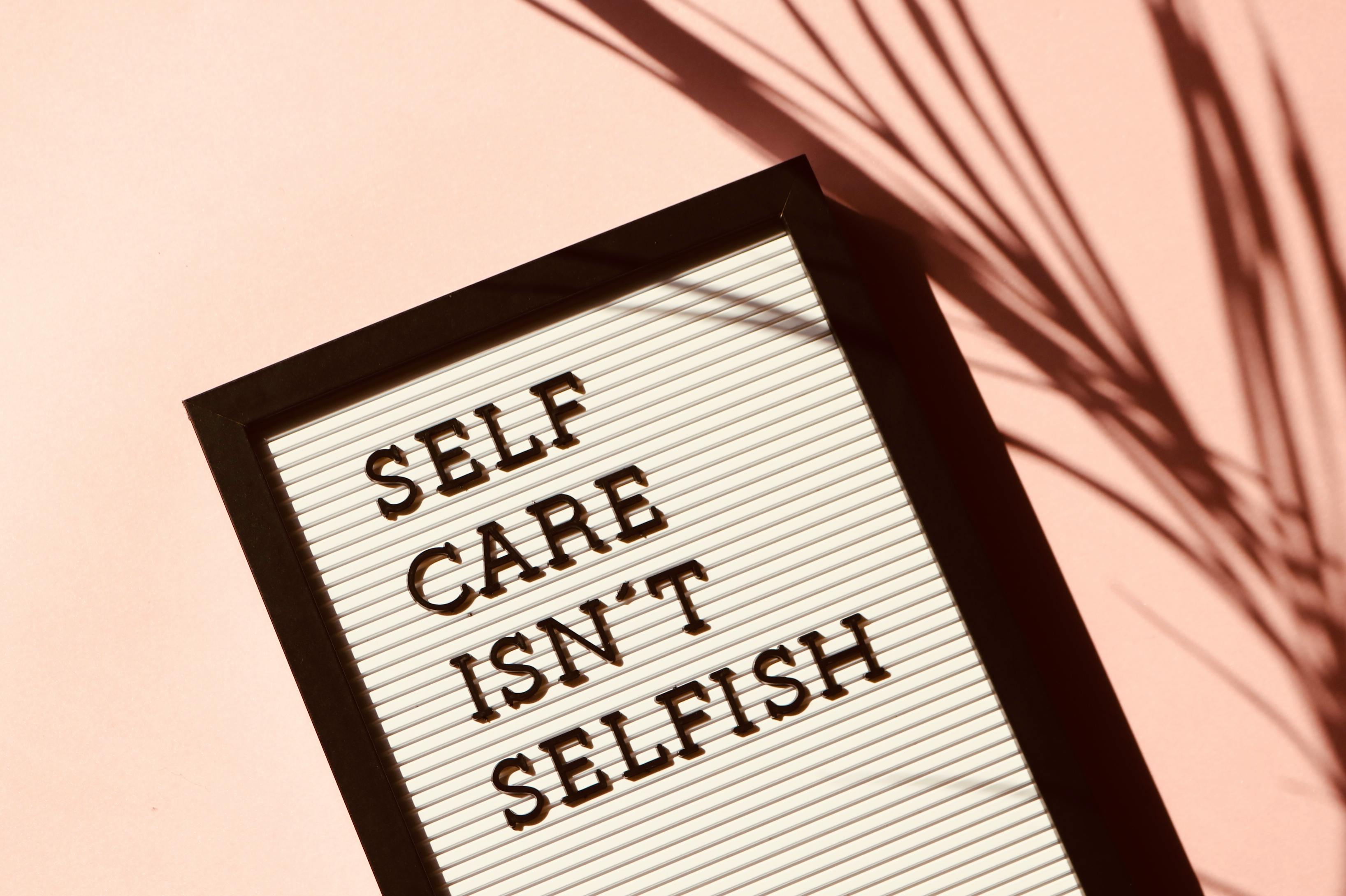
- Feeling Guilty: Remember that caring for yourself improves your ability to support others. Self-care is not selfish.
- Consistency Issues: Use reminders, habit trackers, and small rewards to reinforce behavior.
- Overwhelm: Focus on one or two activities at a time and gradually expand your routine.
FAQs About Self-Care
- What is the best time for self-care?
- There’s no universal answer. Morning routines energize, evenings relax, and midday breaks reset focus. Choose what works best for your schedule.
- How long should my self-care routine be?
- Even 10–15 minutes daily can make a difference. Gradually increase as you feel comfortable.
- Can self-care improve mental health?
- Yes! Regular self-care reduces stress, anxiety, and burnout while boosting mood and resilience.
- Do I need special tools or apps?
- Not necessarily. Journals, guided apps, or meditation resources can help, but self-care can also be simple, like walking, reading, or stretching.
Final Thoughts
Consistency, personalization, and enjoyment are the keys to a successful self-care routine. By starting small, tracking progress, and balancing mind and body activities, you’ll develop habits that support long-term well-being.
Self-care is not a luxury—it’s essential. Make it a daily practice, and watch how your life transforms. Whether it’s five minutes of meditation, a walk in nature, or journaling before bed, every small step counts.
Comments
Post a Comment
We love your feedback! Please share your thoughts below. All comments are moderated to ensure a positive and helpful community. Spam or inappropriate comments will be removed.