Beginner-Friendly Home Workouts for Women (No Equipment) — VitalWell Hub
Beginner-Friendly Home Workouts for Women (No Equipment)
A complete, evidence-backed guide with warm-ups, 40+ exercises, 12-week progressive plan, nutrition basics, troubleshooting, and printable checklists. By VitalWell Hub. Download Slim & Strong (App)
Overview — Who this guide is for & why home, no-equipment workouts work
This guide is written for women who want a practical, safe, and effective way to start exercising at home without any equipment. It is designed for absolute beginners, women returning after a break, and anyone with limited time or access to gym facilities.
Why bodyweight home workouts? Bodyweight training is accessible, low-cost, and scalable. Research and public health guidelines show that regular physical activity — including muscle-strengthening activities — improves cardiovascular health, metabolic health, mental wellbeing, and daily function. When programmed with progressive overload (increasing challenge over time), no-equipment routines reliably produce meaningful results for strength, endurance, and mobility.
This article is educational and not a substitute for medical advice. If you have chronic conditions, are pregnant, or have recent injuries, consult your healthcare provider before starting. For authoritative activity recommendations, see the World Health Organization (WHO) and American College of Sports Medicine (ACSM).
Safety & medical considerations
Pre-exercise screening
Before beginning any new exercise program, consider a brief health check:
If you have known cardiovascular disease, uncontrolled hypertension, diabetes with complications, or recent major surgery — talk to your clinician.
If you experience chest pain, unexplained shortness of breath at rest, fainting, or dizziness, stop and seek medical help.
Pregnant or postpartum? Get tailored advice from your healthcare provider before starting or modifying exercise intensity.
General safety rules
Prioritize technique over repetitions. Good form reduces injury risk and improves results.
Start with shorter sessions and build consistency before increasing volume or intensity.
Use pain as a guide: sharp joint pain or severe discomfort = stop and reassess.
How to use this guide & session structure
The content is divided into clear sections so you can read top-level guidance or deep-dive into specifics. Each workout and exercise includes:
A proper warm-up raises body temperature, increases blood flow to working muscles, primes the nervous system, and improves joint mobility. It reduces injury risk and helps you perform better.
5–8 minute dynamic warm-up (do before every workout)
Marching or light jogging in place — 60 seconds. Eyes forward, pump arms slightly.
Arm circles + shoulder rolls — 30 seconds each direction.
Hip circles — 30 seconds each direction.
Leg swings (front-to-back) — 10 each leg. Hold a wall for balance if needed.
Bodyweight squat to reach — 8–12 slow reps. Sit back into hips, reach forward at top.
Walking lunges (or stationary lunges) — 6–8 each side.
Cool-down (3–8 minutes)
Finish with gentle walking or marching for 1–2 minutes, then 20–30 second static stretches for major muscles: hamstrings, quadriceps, calves, chest, shoulders, hip flexors. Finish with deep diaphragmatic breathing for relaxation.
Below you'll find detailed instructions for each exercise. Use regressions if an exercise feels too hard, and use progressions when it becomes easy. Always prioritize control and alignment.
Bodyweight squat
Purpose: Builds lower-body strength (quads, glutes, hamstrings) and supports daily tasks like rising from a chair.
Form cues: Stand shoulder-width, toes slightly out, chest up, core braced. Push hips back and down as if sitting into a chair. Keep knees tracking the line of toes. Drive through heels to stand.
Purpose: Upper-body pressing for chest, shoulders, and triceps.
Form cues: Hands shoulder-width on a wall, bench or sturdy counter. Keep body straight from head to heels. Lower chest to surface, elbows at ~45°, push back to start.
Purpose: Single-leg strength and balance (quads, glutes).
Form cues: Step back with one leg, drop the back knee to just above the floor, keep torso upright, front knee above ankle. Push through front heel to return.
Levels: L1: 2 × 8 per leg; L2: 3 × 12; L3: Walking lunges or jump lunges.
Step-up (use a stable surface)
Purpose: Lower-body strength with functional carryover to stairs.
Form cues: Place full foot on step, drive through heel to stand, avoid pushing off with trailing leg. Control descent.
Levels: Use a low step for L1 and increase height or speed for L3.
Dead bug
Purpose: Core stability with low spinal load.
Form cues: Lie on back, hips and knees bent 90°. Slowly lower opposite arm and leg while keeping lower back in contact with floor. Return and switch sides.
Levels: L1: One limb at a time; L2: Alternating 3 × 10–12 per side; L3: Add a small pulse or hold at end range.
Bird dog
Purpose: Core and posterior chain coordination and balance.
Form cues: From all-fours, extend opposite arm and leg while keeping hips square and spine neutral. Return slowly.
Mountain climbers (slow to start)
Purpose: Core + light conditioning.
Form cues: Maintain a plank line; drive knees toward chest one at a time at a controlled pace.
Modified burpee (no push-up)
Purpose: Full-body conditioning with lower impact when needed.
Form cues: Squat, step back to plank (or jump back), stand up and reach/mini-jump. Remove jump for lower impact.
Triceps dip (chair edge)
Purpose: Triceps strength and shoulder stability.
Form cues: Hands on chair edge, hips forward, bend elbows to ~90°, push back. Keep elbows close to body.
Y raises (lying)
Purpose: Mid-back and scapular control to balance pressing work.
Form cues: Lie face down, lift arms in a Y shape with thumbs up, squeeze shoulder blades together. Keep neck neutral.
Hip hinge / Good morning (bodyweight)
Purpose: Posterior chain strength and hip mobility.
Form cues: Soft knee bend, push hips back while keeping spine neutral, feel stretch in hamstrings, return to standing by driving hips forward.
Single-leg Romanian deadlift (bodyweight)
Purpose: Balance, posterior chain, and unilateral strength.
Form cues: Slight knee bend, hinge at hips, reach forward with torso while raising opposite leg. Keep hips square and core engaged.
Standing calf raise
Purpose: Ankle strength and stability.
Form cues: Rise onto toes slowly, control descent. Perform double-leg then single-leg for progression.
Curtsy lunge
Purpose: Glute medius activation and lateral stability.
Form cues: Step one leg behind and across the other, bend both knees into a curtsy. Keep chest tall.
Cossack squat (partial)
Purpose: Lateral strength and mobility. Keep it partial for beginners.
Reverse plank
Purpose: Posterior chain and shoulder stability.
Child's pose, cat-cow, world's greatest stretch
Purpose: Mobility sequences for recovery and flexibility.
Additional variations and alternatives are included later as part of progressions and sample workouts.
30+ ready beginner workouts (organized by time and goal)
Below are many ready-to-use sessions. Choose by time available and goal (strength, cardio, mobility, mixed). Start with 2–4 sessions per week and combine with daily walking or active movement.
10-minute express (daily habit starter)
Warm-up 1–2 min marching. AMRAP 8 minutes:
10 bodyweight squats
8 incline push-ups
10 glute bridges
Cool-down 1–2 min stretch.
15–20 minute full-body (beginner)
Warm-up 5 min
2 rounds: Squats 12, Incline push-ups 10, Dead bug 12 per side, Glute bridge 15, Plank 30s
Cool-down 4 min
20–30 minute lower-body focus
Warm-up 5–8 min
3 sets: Reverse lunge 10 per leg, Step-up 10 per leg, Wall sit 45s, Calf raises 20
Gentle yoga: child pose, pigeon variation, hamstring hold (10 min)
Each of these can be repeated, combined, and progressed across the 12-week plan below.
12-Week progressive plan (detailed)
This section provides a week-by-week progression to take an absolute beginner to a confident, regular exerciser. Aim to complete the plan over 12 weeks, but move at your own pace. Rest and recovery are part of training — listen to your body.
Principles
Consistency first: it's better to train 3x/week consistently than 6x/week inconsistently.
Progressive overload: add reps, sets, or reduce rest every 1–3 weeks.
Deload: take a lighter week (reduce volume by ~30%) every 4th week if you're feeling very fatigued.
Weeks 1–4: Habit and form (foundation)
Goal: Build habit, learn technique, and reduce fear of movement.
Saturday — Optional light activity: dance, walk, or rest
Sunday — Rest
Use the app for tracking and reminders if you prefer guided sessions: Slim & Strong.
Nutrition basics to support training
Nutrition helps recovery, supports energy for workouts, and drives body composition changes. Below are practical, evidence-based rules for beginners.
Protein
Aim for roughly 1.0–1.6 g/kg bodyweight/day if you're trying to build strength or preserve muscle while losing weight. For general health, 0.8 g/kg/day is a reasonable baseline. Spread protein evenly across meals where possible.
Energy balance
If fat loss is the goal, a modest calorie deficit (e.g., 200–500 kcal/day) while keeping protein adequate and maintaining resistance training is effective. For muscle gain, aim for a slight calorie surplus and progressive overload.
Hydration and micronutrients
Drink water throughout the day, more around workouts. Prioritize vegetables, whole grains, legumes, lean proteins, and healthy fats to cover vitamins and minerals. If you have specific deficiencies, consult a registered dietitian for personalized advice.
Pre- and post-workout snacks
Pre-workout (1–2 hours): banana with peanut butter, yogurt with fruit, or a small sandwich
Post-workout (within 2 hours): protein source + carbohydrate — e.g., eggs and toast, smoothie with protein powder and fruit, or beans and rice
Staying consistent & motivation hacks
Consistency beats intensity for beginners. Small daily habits become results over months. Here are practical strategies proven to help build exercise routines.
Schedule it: Put workouts in your calendar like appointments.
Habit stacking: Attach a workout to an existing habit (e.g., after morning coffee).
Start tiny: Commit to 5–10 minutes on days you feel busy — often you do more once started.
Track progress: Use a notebook or an app to log workouts and celebrate small wins.
Accountability: Find a friend, join a group, or use social sharing.
Using a guided app can increase adherence—our Slim & Strong app includes beginner programs, timers, and streak tracking: Download Slim & Strong.
Troubleshooting common beginner problems
Excessive muscle soreness (DOMS)
Mild to moderate soreness after starting is normal. Manage with light activity, hydration, sleep, and gentle stretching. If soreness prevents daily function or lasts more than 7–10 days, reduce intensity and consult a clinician if severe.
No visible progress
Check these factors: consistency, progressive overload (are you increasing reps/sets?), sleep quality, nutrition, and stress. Progress may be slow but measurable — track objective metrics like plank hold time, number of squats, or how you feel climbing stairs.
Joint pain or discomfort
Reassess form, reduce range of motion, and use regressions (e.g., chair squats instead of deep squats). If pain is sharp or persistent, consult a health professional.
Pregnancy & post-partum guidance
Many women can safely continue or begin low to moderate intensity exercise during pregnancy, but individual risks vary. Key points:
Get medical clearance before starting or progressing intensity if pregnant or postpartum.
Avoid exercises that cause dizziness, breathlessness at rest, or pain.
Modify supine positions after the first trimester by propping the upper body or exercising on the side to avoid aortocaval compression.
Focus on pelvic floor health and gradually reintroduce abdominal loading post-partum after clearance by your provider.
For pregnancy-specific recommendations, consult national guidelines and your maternity care provider.
Frequently asked questions (short answers)
Can I get strong with bodyweight only?
Yes. Progressive bodyweight training builds strength for beginners and many intermediate trainees. Use unilateral moves, tempo changes, and reduced rest to continue challenging your muscles.
How often should I train?
Start with 3 sessions per week and increase to 4–5 as fitness improves. Include at least two muscle-strengthening sessions weekly.
Is walking enough?
Walking is excellent for aerobic health but combine it with strength sessions twice a week for balanced benefits.
What if I have limited space?
Most exercises require a small footprint (approx. 2m × 2m). Use bodyweight variations and step-ups on a stable stair or low stool.
Printable checklist & templates
Use this short checklist before, during, and after each session.
Before: Warm-up completed (5–8min), space cleared, water ready.
During: Form-first, breathe, stop for sharp pain.
After: Cool-down, stretch, log workout.
Template workout (copy/paste for tracking):
Date: Workout: Warm-up: Main sets: Total time: How I felt (1–10): Notes:
References & evidence (key sources)
The guidance in this article is built from authoritative sources and peer-reviewed literature. For practical public-health recommendations, consult the World Health Organization (WHO), American College of Sports Medicine (ACSM), and Centers for Disease Control and Prevention (CDC). Selected evidence used while drafting:
World Health Organization — Physical Activity Guidelines (WHO).
American College of Sports Medicine — Physical Activity and Resistance Training Guidelines.
Centers for Disease Control and Prevention — Physical Activity Basics.
Peer-reviewed trials and systematic reviews on home-based and bodyweight training effectiveness.
Harvard Health Publishing — Benefits of exercise on mental and physical health.
Eclampsia in Pregnancy: What Every Expectant Mother Needs to Know
Eclampsia is a rare but serious condition that causes seizures during pregnancy or shortly after birth. This guide explains, in clear and caring language, how to recognise danger signs, what to do in an emergency, and how families can help keep mothers and babies safe.
Pregnancy is an exciting time — but it's also natural to worry about what could go wrong. Eclampsia is one of the conditions expectant mothers hear about that can sound frightening. The good news is that many cases can be prevented or managed when pregnant women get regular antenatal care and know the warning signs. This page will walk you through what eclampsia is, how to spot it early, what to do in an emergency, and how to lower the risk for you and your baby.
Why this matters
Seizures during pregnancy are a medical emergency. Quick action can protect both the mother and the baby. Learning the signs and planning ahead gives families a powerful advantage.
Real story: Mary’s sudden emergency (relatable scenario)
Meet Mary. She was 28 weeks pregnant and had been feeling tired and swollen for a few days. She had missed an antenatal appointment because she was busy at work. One afternoon she developed a terrible headache and felt like the room was spinning. Within hours she had a seizure and lost consciousness.
Her family called emergency services immediately. At the hospital, doctors recognised eclampsia and gave medicines to control seizures and high blood pressure. Mary and her baby were closely monitored — because of quick action, both recovered and Mary was given a clear plan for future care.
What we learn from Mary’s story:
Do not ignore warning signs like severe headache, vision changes or sudden swelling.
Attend antenatal visits — blood pressure and urine checks can spot problems early.
Know where to go in an emergency (nearest hospital with maternity services).
Quick checklist for pregnant women
Keep all antenatal (ANC) appointments and ask for BP checks at each visit.
Report headaches that are severe or do not go away, vision changes, or sudden swelling.
Plan emergency transport — know the fastest route to your nearest maternity hospital.
Talk to your partner or support person about warning signs and what they should do.
Part 2 — Causes, What Happens in the Body, & Who Is at Higher Risk
In this section we explain, in simple terms, what leads to eclampsia, what happens inside the body when it develops, and which women are more likely to get it. The goal is to help you understand why regular check-ups and early action are so important.
What causes eclampsia?
Doctors do not always know the exact single cause of eclampsia, but most cases begin with a condition called preeclampsia. Preeclampsia is when a pregnant woman develops high blood pressure and signs that her organs (like the kidneys or liver) are stressed. If preeclampsia gets worse and includes seizures, it is called eclampsia.
In plain words: problems with the placenta and the mother's blood vessels can cause high blood pressure and reduced blood flow to organs. That strain on the body can lead to a seizure in severe cases.
Diagram: How placental and blood vessel changes can lead to preeclampsia and sometimes eclampsia (placeholder).
What happens in the body during preeclampsia and eclampsia?
Here is a simple step-by-step explanation of the process — no medical jargon:
Poor placental blood flow: The placenta (the organ that feeds the baby) may not get enough blood due to problems with how the blood vessels develop.
Mother’s blood pressure rises: The mother's body reacts by constricting blood vessels, which raises blood pressure (this is preeclampsia).
Organs can be affected: High blood pressure and poor blood flow can stress the kidneys, liver and brain. The mother may develop protein in the urine, headaches, or vision changes.
Seizures in severe cases: If the brain is affected strongly, a seizure (fit) may occur — this is eclampsia. Seizures can cause loss of consciousness and are a medical emergency.
Note: Not all women with high blood pressure during pregnancy will develop eclampsia. Many women with well-managed blood pressure have healthy pregnancies. The risk drops significantly with regular prenatal care and timely treatment.
Who is at higher risk?
Some factors make preeclampsia and eclampsia more likely. If you have one or more of these, it does not mean you will get eclampsia — it means your healthcare team may watch you more closely.
First pregnancy: Preeclampsia is more common in a woman’s first pregnancy.
History of preeclampsia/eclampsia: If you had it in a previous pregnancy, your risk is higher.
Chronic high blood pressure: Women who already had high blood pressure before pregnancy have a higher risk.
Diabetes: Pre-existing diabetes or gestational diabetes can raise risk.
Multiple pregnancy: Twins, triplets or more increase the chance of preeclampsia.
Age extremes: Very young mothers (teenagers) and older mothers (over ~35) can have higher risk.
Obesity: Being significantly overweight before pregnancy raises risk.
Family history: A close relative (mother or sister) who had preeclampsia increases your risk.
Certain autoimmune disorders: Conditions like lupus or antiphospholipid syndrome may raise risk.
Quick risk summary
Risk factor
What it means
First pregnancy
Higher monitoring recommended; more likely to develop preeclampsia.
Chronic hypertension
May need medicines before and during pregnancy to control BP.
Multiple pregnancy
Extra antenatal visits and closer monitoring are usually advised.
Practical note for mothers
If you have any of the risk factors above, tell your midwife or doctor early in pregnancy. They may schedule more frequent visits, check your blood pressure often, and give advice to reduce risk. This helps detect problems early — when they are easiest to treat.
Part 3 — Signs, Symptoms & Early Warning Signs of Eclampsia
One of the most important parts of preventing eclampsia is knowing the warning signs early. Many symptoms start gradually during preeclampsia before a seizure happens. Recognising these signs can save the mother’s life and protect the baby.
Common signs and symptoms you should never ignore
These symptoms can appear any time after 20 weeks of pregnancy, during labour, or even after delivery (postpartum).
If any of these occur, seek medical care urgently.
Severe or persistent headache, especially if it does not get better with rest or simple painkillers.
Sudden swelling of the face, hands, feet or around the eyes (oedema).
Changes in vision like blurring, seeing flashing lights, dark spots, or temporary loss of vision.
Severe upper abdominal pain, especially under the ribs on the right side (liver area).
Nausea and vomiting that are new and not related to morning sickness.
Shortness of breath or difficulty breathing.
Decreased urine output or very dark urine.
High blood pressure detected at home or clinic (140/90 mmHg or higher).
Early warning signs of upcoming eclampsia
In some women, the body gives clear warning signs just before a seizure. These should be treated as an emergency:
Severe headache that suddenly becomes intense.
Sudden vision changes such as flashing lights or partial blindness.
Confusion or difficulty thinking clearly.
Strong upper abdominal pain, especially on the right side.
Feeling extremely unwell or “something is wrong” — trust this instinct.
What does an eclamptic seizure look like?
An eclamptic seizure looks similar to other types of convulsions.
If you witness this in a pregnant or recently delivered woman, treat it as a medical emergency.
Sudden loss of consciousness or collapse.
Jerking or stiffening of the arms and legs (convulsions).
Eyes rolling back, difficulty breathing or foaming at the mouth may occur.
After the seizure, the woman may be confused, sleepy or not remember what happened.
If a seizure happens — what to do immediately
Lay her on her left side to keep the airway open and prevent choking.
Do not put anything in her mouth.
Remove sharp objects around her to prevent injury.
Seek emergency medical care immediately.
Important: Symptoms can appear after birth
Eclampsia can happen during pregnancy, during labour, or after delivery.
If a new mother develops headaches, high blood pressure or vision changes within 6 weeks after birth, she must get checked quickly — postpartum eclampsia is real and dangerous if ignored.
Part 4 — Diagnosis, Tests & When to Seek Medical Help
Early diagnosis is the key to preventing preeclampsia from becoming eclampsia. Regular antenatal visits allow health workers to detect problems early, run the right tests, and protect both mother and baby.
Why diagnosis matters
Preeclampsia can be silent at first — a woman may feel well while her blood pressure or organs are already affected. Diagnosis helps:
Detect problems early before they become severe.
Protect the mother’s organs and prevent seizures.
Monitor the baby’s growth and well-being.
Plan safe delivery at the right time and place.
How is preeclampsia diagnosed?
A healthcare provider uses a combination of blood pressure checks, urine tests and clinical signs to diagnose preeclampsia. The following are common steps used during antenatal visits:
Blood pressure measurement: A reading of 140/90 mmHg or higher on two separate occasions can indicate high blood pressure.
Urine test: To check for protein in urine (proteinuria), which shows kidney involvement.
Blood tests: These assess kidney function, liver enzymes, platelets, and other markers of organ stress.
Symptoms evaluation: Headaches, vision changes, swelling, and abdominal pain help confirm diagnosis.
Flowchart: How healthcare providers diagnose preeclampsia (placeholder – actual graphic will be added).
Tests commonly done in hospital or clinic
Test
What it checks
Blood pressure
Checks if BP is raised or worsening.
Urine protein
Shows kidney involvement (proteinuria).
Kidney & liver function tests
Identifies organ stress or damage.
Platelet count
A low count may mean risk of bleeding complications.
Ultrasound
Checks baby’s growth, fluid levels and health.
When to seek medical help urgently
See a healthcare provider or go to a hospital immediately if you experience:
Severe headache that does not go away.
Vision changes (blurring, flashing lights, dark spots).
Severe upper abdominal pain (especially on the right side).
Severe swelling of hands, face or legs.
High blood pressure reading at home (140/90 mmHg or more).
Reduced fetal movements or baby not kicking as usual.
Any seizure or convulsion — treat as an emergency.
Quick advice for families
Do not wait for symptoms to “go away on their own.” Early action can prevent complications. If something feels wrong, seek help — your instincts are important.
5. Treatment & Management of Eclampsia
Eclampsia is a medical emergency. Treatment must begin immediately to protect the life of both the mother and the baby. Management focuses on controlling seizures, lowering dangerously high blood pressure, and ensuring safe delivery when necessary.
5.1 Immediate First Aid When a Pregnant Woman Has a Seizure
Stay calm and call for emergency help immediately.
Lay the woman on her left side to prevent choking.
Loosen tight clothing around her neck.
Do not place anything in her mouth.
Remove harmful objects around her to prevent injury.
Time the seizure — most last 60–90 seconds.
Once the seizure stops, take her to the nearest hospital with a maternity/ICU facility.
5.2 Hospital Management of Eclampsia
At the hospital, doctors follow a standardized treatment protocol to stabilize the mother and baby. Management includes:
Stopping and preventing further seizures
Controlling high blood pressure
Monitoring mother and fetus
Planning safe delivery (if needed)
5.3 Magnesium Sulphate (MgSO₄): The Lifesaving Drug
Magnesium Sulphate is the drug of choice for treating eclampsia seizures — not anticonvulsants like diazepam. It prevents recurrent fits more effectively and reduces maternal deaths.
Standard MgSO₄ Regimen
Loading dose: Given to stop seizures initially
Maintenance dose: Given every few hours to prevent recurrence
Doctors monitor breathing rate, knee reflexes, and urine output to avoid toxicity.
Antidote for toxicity: Calcium gluconate
5.4 Controlling High Blood Pressure
Severe hypertension increases the risk of stroke, kidney failure, and placental complications. Antihypertensive medications used include:
Hydralazine
Labetalol
Nifedipine (oral)
Target blood pressure after treatment: 140–150 / 90–100 mmHg
5.5 Delivery of the Baby
Delivery is the only definite cure for eclampsia — but it must be timed safely. Doctors assess the mother’s stability and fetal well-being before deciding.
Delivery Decisions
If the mother is stable → proceed with delivery
If unstable → first stabilize, then consider delivery
If seizures continue despite MgSO₄ → emergency intervention required
Mode of delivery:
Normal vaginal delivery if mother and baby are stable
Cesarean section if urgent or complications exist
5.6 Care in the ICU or High-Dependency Unit (HDU)
Many women with eclampsia require close monitoring for at least 24–48 hours after delivery. Care includes:
Blood pressure monitoring
Urine output monitoring
Neurological observation
Continuation of MgSO₄ for 24 hours after last seizure or delivery
5.7 Postpartum Care
Eclampsia can still occur after delivery. Women need postpartum follow-up to prevent recurrence and manage long-term health risks such as chronic hypertension.
6. Prevention of Eclampsia
Although eclampsia cannot always be prevented, the risk can be significantly reduced through good antenatal care, early detection of preeclampsia, healthy lifestyle choices, and proper medical management. Prevention focuses on identifying at-risk mothers early and controlling blood pressure and complications before seizures develop.
6.1 Antenatal Care (ANC): The Most Effective Prevention
Regular ANC visits help healthcare providers monitor the mother's blood pressure, urine proteins, and overall health. Early detection of preeclampsia prevents progression to eclampsia.
Recommended ANC Visit Schedule
1st visit: 8–12 weeks
2nd visit: 20–24 weeks
3rd visit: 28–32 weeks
4th visit: 36–38 weeks
Additional visits if high-risk or symptoms appear
Early booking (first trimester) is key.
6.2 Aspirin for High-Risk Pregnancies
The World Health Organization recommends low-dose aspirin for women at high risk of preeclampsia. It helps improve blood flow to the placenta and reduces the risk of severe high blood pressure disorders.
Start between 12–16 weeks of pregnancy
Continue until 36 weeks
Only take if prescribed by a healthcare professional
6.3 Calcium Supplementation
In areas where dietary calcium intake is low, calcium supplements help prevent preeclampsia. Calcium strengthens the blood vessels and helps regulate blood pressure.
Recommended dose: 1.0–1.5 g/day (in divided doses)
Begin as early as possible in pregnancy
6.4 Lifestyle and Self-Care for Prevention
Healthy lifestyle habits play a major role in reducing blood pressure and preventing preeclampsia. Pregnant mothers should:
Maintain a healthy, balanced diet rich in fruits and vegetables
Limit excess salt and processed foods
Drink enough clean water daily
Avoid alcohol, drugs, and smoking
Engage in safe physical exercise (e.g., walking 30 minutes daily)
Get enough rest and reduce stress
6.5 Monitoring and Early Warning Systems at Home
Women with high-risk pregnancies or early signs of preeclampsia can reduce complications by monitoring their health at home.
What to Monitor at Home
Blood pressure (if a home BP machine is available)
Sudden swelling of face, hands, or feet
Headaches that don’t go away
Changes in urine (foamy, decreased output)
Baby movements
6.6 Birth Preparedness Plan
Preparing early for delivery ensures that in case of emergencies like eclampsia, the mother can reach a well-equipped facility in time.
Select a health facility with maternity and emergency care
Save funds for transport and medical costs
Keep emergency contacts ready
Packed hospital bag by 7–8 months
6.7 Community and Partner Support
Support from partners, family, and community reduces stress for the mother and encourages ANC attendance. Community health workers also help with follow-ups, education, and referrals.
7. Complications of Eclampsia
Eclampsia is a life-threatening condition that can affect multiple organs in the mother and harm the unborn baby. Complications may occur before delivery, during labour, or after childbirth. Early treatment greatly reduces these risks.
7.1 Complications for the Mother
Without timely treatment, eclampsia can lead to serious short-term and long-term health problems. Some of the major maternal complications include:
Brain Damage / Stroke: Severe high blood pressure can cause bleeding in the brain (intracranial hemorrhage), leading to seizures, paralysis, or death.
Kidney Failure: Reduced blood flow to the kidneys can lead to acute kidney injury requiring dialysis.
Liver Damage / HELLP Syndrome: A severe form of preeclampsia causing liver breakdown and low platelets.
Placental Abruption: The placenta separates from the uterus prematurely, causing heavy bleeding and fetal distress.
Respiratory Complications: Fluid accumulation in the lungs (pulmonary edema) can cause severe breathing problems.
Blood Clotting Disorders: Risk of disseminated intravascular coagulation (DIC), leading to excessive bleeding.
Vision Problems: Temporary blindness or visual disturbances may occur due to swelling in the brain or retina.
Coma or Death: In severe cases, repeated seizures or organ failure can be fatal.
7.2 Complications for the Baby
Eclampsia affects the baby primarily by reducing blood flow to the placenta, limiting oxygen and nutrients needed for growth.
Premature Birth: Early delivery may be required to save the mother or baby.
Low Birth Weight: Poor blood circulation to the placenta causes restricted fetal growth.
Breathing Problems After Birth: Premature babies may need special care in the newborn unit (NICU).
Stillbirth: Placental abruption or severe oxygen deprivation may lead to loss of the baby.
Developmental Delays: Babies born prematurely or with low oxygen at birth may face long-term developmental challenges.
7.3 Long-Term Health Risks for the Mother
Women who experience eclampsia are at higher risk of health problems later in life. These include:
Chronic (long-term) high blood pressure
Heart disease and stroke later in life
Kidney disease
Recurrent preeclampsia in future pregnancies
Higher risk of diabetes and metabolic syndrome
7.4 Emotional and Psychological Effects
Beyond physical health, eclampsia can leave emotional and mental trauma for the mother and family. Common issues include:
Postpartum depression
Anxiety or fear of future pregnancies
Post-traumatic stress, especially if ICU care was required
7.5 Prognosis (Chances of Recovery)
With proper treatment, most mothers recover fully from eclampsia, especially when diagnosed early and managed in a well-equipped facility. Prognosis depends on:
How early treatment was started
Number of seizures experienced
Any organ damage that occurred
Quality of medical care available
Babies born to mothers with eclampsia also recover well when cared for in a facility with specialist newborn care. Follow-up for both mother and baby is essential.
8. Frequently Asked Questions, Myths & Summary
8.1 Frequently Asked Questions (FAQs)
1. Can eclampsia occur without high blood pressure?
Yes. Although uncommon, some women develop seizures without obvious high blood pressure or urine protein. This is known as atypical eclampsia.
2. Can eclampsia happen after giving birth?
Yes. Postpartum eclampsia can occur days or even weeks after delivery. Any severe headache, vision changes, or seizures after childbirth requires urgent medical care.
3. Is eclampsia hereditary?
There is no direct inheritance, but a family history of preeclampsia or hypertension increases the risk in pregnancy.
4. Can a woman have a normal delivery after eclampsia?
Yes, many women deliver vaginally if they are stable. Caesarean section is only recommended when medically necessary.
5. Will eclampsia occur again in future pregnancies?
The risk of recurrence exists, especially if the mother had severe disease, early onset, or HELLP syndrome. Preconception counselling and early ANC are essential.
6. Is eclampsia preventable?
It cannot always be prevented, but early ANC, monitoring, aspirin for high-risk women, calcium supplementation, and healthy lifestyle greatly reduce the chances.
7. Can traditional herbs treat or prevent eclampsia?
No. There is no scientific evidence that herbs or traditional remedies treat or prevent eclampsia. It is a medical emergency requiring hospital treatment.
8. What is the difference between Preeclampsia and Eclampsia?
Preeclampsia = high blood pressure + signs of organ damage during pregnancy.
Eclampsia = preeclampsia + seizures.
8.2 Myths vs Facts
Myth
Fact
“Eclampsia only happens to first-time mothers.”
It is more common in first pregnancies, but can affect any pregnancy.
“Seizures mean the mother was bewitched or cursed.”
Eclampsia is a medical condition caused by complications of high blood pressure in pregnancy, not witchcraft.
“If the mother looks healthy, she can’t have preeclampsia.”
Many mothers appear fine but still have dangerous internal complications.
“Traditional herbs can reduce pregnancy swelling.”
Some herbs increase blood pressure and delay treatment. Only medical care is safe.
“Once the baby is out, the mother is safe.”
Symptoms can continue or worsen after delivery; postpartum monitoring is crucial.
8.3 Key Takeaways
Eclampsia is a life-threatening emergency caused by complications of preeclampsia.
It causes seizures, high blood pressure, and organ damage for the mother and baby.
Immediate treatment with Magnesium Sulphate saves lives.
Early ANC, lifestyle care, aspirin for high-risk mothers, and calcium help reduce risk.
Mothers require close follow-up during pregnancy and after delivery.
8.4 Helpful Resources
World Health Organization – Maternal Health
FIGO – Hypertension in Pregnancy Guidelines
UNICEF & Ministry of Health – Maternal and Newborn Care Manuals
Part 9 — Nursing Care Plan (Professional) & Health Education for Eclampsia
This section provides a full, professional nursing care plan (NCP) for patients with preeclampsia/eclampsia and a companion health-education package for mothers and families. The NCP follows a structured format: Assessment → Nursing diagnoses → Goals (SMART) → Interventions with rationales → Evaluation.
Important clinical recommendations (including magnesium sulfate as the first-line anticonvulsant) are supported by leading sources.
Quick clinical highlights (evidence-based)
Magnesium sulfate (MgSO₄) is the recommended medication to prevent and treat eclamptic seizures and reduces the risk of eclampsia significantly.
Seizure control, blood pressure management, maternal organ support and timely delivery are the pillars of care.
Continuous monitoring of vital signs, urine output, neurological status and fetal well-being is essential.
Full Professional Nursing Care Plan (Detailed)
Nursing Diagnosis 1
Risk for injury related to seizures (eclampsia) as evidenced by history of recent generalized convulsion / severe preeclampsia.
Assessment
Record seizure activity (duration, onset, motor pattern, post-ictal state).
Neurological status: level of consciousness, pupil response, reflexes.
Airway patency and respiratory effort.
Time since last MgSO₄ dose and infusion status (if on MgSO₄).
SMART Goal
Within 24 hours the patient will experience no further seizures and will maintain patent airway and adequate oxygenation (SpO₂ ≥ 94%) while under hospital monitoring.
Nursing Interventions & Rationale
Continuous monitoring: Maintain continuous observation during acute phase; monitor SpO₂, respiratory rate, LOC, and seizure activity every 5–15 minutes as needed.
Rationale: Early detection of recurrent seizures or respiratory compromise enables rapid intervention and prevents hypoxia.
Airway management readiness: Keep airway equipment, suction, oxygen, and intubation kit available at bedside; position patient on left lateral position when not actively seizing.
Rationale: Seizures can compromise airway and aspiration risk; left lateral position improves uteroplacental perfusion.
Administer/monitor MgSO₄ per protocol: Ensure loading/maintenance infusion is being given and monitor for signs of toxicity (respiratory depression, loss of deep tendon reflexes, oliguria).
Rationale: MgSO₄ is the evidence-based anticonvulsant for eclampsia; monitoring prevents and detects toxicity early.
Document seizure details: Time seizure onset, duration, movements, and interventions performed.
Rationale: Accurate documentation guides medical decisions and medicolegal records.
Provide a safe environment: Pad bedrails, remove sharp objects, maintain low bed height, and restrict unnecessary visitors during acute phase.
Rationale: Reduces risk of trauma during recurrent seizures.
Evaluation Criteria
No recurrent seizures within 24 hours after initiation of treatment.
Airway maintained without aspiration; oxygen saturation ≥94% on room air or prescribed oxygen.
No nursing-documented injuries related to seizures.
Nursing Diagnosis 2
Risk for ineffective cerebral tissue perfusion related to severe hypertension and vasospasm.
Assessment
Frequent BP measurements (initially every 5–15 minutes while acute, then hourly/PRN as ordered).
Baseline ECG if arrhythmia suspected; monitor heart rate and rhythm.
SMART Goal
Maintain blood pressure within target range set by medical team (e.g., systolic <160 mmHg and diastolic <110 mmHg acute targets) within the first 2–4 hours of pharmacologic therapy.
Nursing Interventions & Rationale
Frequent BP monitoring: Use appropriately sized cuff and record readings; notify physician for readings above agreed thresholds (e.g., ≥160/110 mmHg).
Rationale: Rapid control of severe hypertension reduces risk of stroke and organ damage.
Administer antihypertensives as ordered: IV hydralazine, IV labetalol, or oral nifedipine per protocol; monitor maternal response and fetal heart rate.
Rationale: Lowering dangerously high BP decreases risk of cerebrovascular events and placental complications.
Neurological checks: Assess GCS, pupil size, and limb movement regularly; document any deterioration.
Rationale: Detects evolving cerebral compromise early.
Prepare for urgent imaging or interventions: If focal neurological signs or persistent severe headache develop, notify team for CT/MRI or neurology consult as indicated.
Rationale: Rule out intracranial hemorrhage or other causes of neurological decline.
Evaluation Criteria
BP within defined target range and trending downward.
No new focal neurological deficits.
Fetal heart rate reassuring or appropriately managed by obstetric team.
Nursing Diagnosis 3
Deficient knowledge (patient/family) related to condition, treatment and warning signs.
Assessment
Assess baseline understanding of preeclampsia/eclampsia, medications, and emergency actions.
Identify language, literacy, cultural beliefs and preferred learning methods.
SMART Goal
By discharge the patient and her support person will demonstrate understanding of at least 5 key warning signs, when to seek help, and how to take prescribed medications (teach-back method).
Nursing Interventions & Rationale
Teach-back education: Use simple language and ask the mother/support person to repeat key points about warning signs, emergency contacts, and medication administration.
Rationale: Teach-back improves comprehension and retention of critical information.
Provide written/visual materials: Offer a one-page discharge card with warning signs, BP targets, emergency numbers and follow-up appointment details (use local language).
Rationale: Written reminders support memory and quick reference at home.
Medication counselling: Explain purpose, side effects, and safety of MgSO₄ (if continuing) and antihypertensives; instruct on adherence and what to report.
Rationale: Improves adherence and early recognition of adverse effects (e.g., signs of MgSO₄ toxicity such as breathing difficulty or absent reflexes).
Plan follow-up: Schedule early postpartum review (within 1–2 weeks) and primary care follow-up for BP monitoring.
Rationale: Many complications can occur postpartum; early review reduces risk of missed deterioration.
Evaluation Criteria
Patient/support person correctly names warning signs and the emergency plan (teach-back success).
Discharge card provided and follow-up appointment scheduled.
Nursing Diagnosis 4
Fluid volume excess / risk for decreased renal perfusion related to hypertensive vasospasm and capillary leak.
Assess serum electrolytes, creatinine and urine protein results as available.
SMART Goal
Maintain urine output ≥30 mL/hr and stable renal function (no rising creatinine) during hospital stay.
Nursing Interventions & Rationale
Strict I&O: Record all fluids, IV fluids, and urine hourly. Notify provider if urine <30 mL/hr.
Rationale: Early detection of oliguria informs decisions on fluid resuscitation or renal support.
Limit aggressive fluid boluses: Collaborate with medical team on fluids — avoid fluid overload which can precipitate pulmonary edema.
Rationale: Women with preeclampsia/eclampsia are at increased risk of pulmonary edema; careful fluid management reduces this risk.
Monitor labs: Check renal and liver function, platelets, and electrolytes per orders and report abnormalities immediately.
Rationale: Guides therapy (e.g., MgSO₄ dose adjustments in renal impairment).
Evaluation Criteria
Urine output ≥30 mL/hr or as individualized by provider.
No signs of fluid overload (no crackles, no worsening oxygenation).
Stable or improving renal markers on labs.
MgSO₄ Safety Monitoring Checklist (Nursing)
While exact dosing protocols vary by institution, nurses must monitor for both therapeutic effect and toxicity. Common monitoring items include:
Respiratory rate (record hourly or per protocol) — observe for respiratory depression.
Deep tendon reflexes (knee jerk) — assess before each maintenance dose; absent reflexes can indicate toxicity.
Urine output — ensure adequate renal clearance (≥30 mL/hr) as MgSO₄ is renally eliminated.
Level of consciousness / sedation — monitor for increasing drowsiness or confusion.
Continuous cardiorespiratory monitoring if available (SpO₂, heart rate, BP).
Have calcium gluconate readily available as the antidote for MgSO₄ toxicity.
Health Education: What to Teach the Mother & Family
Use simple language, visual aids and teach-back. Provide this information in print and verbally before discharge.
Core Education Points (discharge checklist)
Warning signs to seek immediate care: severe headache, visual changes, sudden swelling, difficulty breathing, severe upper abdominal pain, decreased baby movements, or any seizure activity.
Blood pressure monitoring: If given a BP machine at home, teach how to measure BP and what numbers to report (>140/90 mmHg initially or per local protocol).
Medications: Explain purpose, common side effects, and when to contact the provider (e.g., excessive sleepiness, breathing difficulty, or absent reflexes if on MgSO₄).
Follow-up plan: Early postpartum clinic visit (within 1–2 weeks), and primary care for long-term BP follow-up.
Rest & activity: Encourage gradual return to activity, avoid heavy lifting, and prioritize rest and hydration.
Emotional support: Discuss possible anxiety or mood changes and provide referral information for counseling or support groups.
Family role: Designate a support person to help monitor symptoms, transport in emergencies, and assist with newborn care while mother recovers.
Printable resources to give the mother
One-page warning signs card (pocket size)
Medication card (names, purpose, contact numbers)
Follow-up appointment slip with date/time and location
Documentation & Safe Handoff
Accurate documentation and clear handoff between teams reduces errors. Include in the chart and handoff:
Seizure details (time, duration, interventions)
Current medications and infusion details (MgSO₄ start time, rate, last dose)
Latest vital signs and neurological checks
Recent lab results and trending values
Fetal heart rate status and plans for delivery
Discharge education given and teach-back confirmation
Special Considerations & Referral
In resource-limited settings, follow local protocols and consult higher-level facilities early for:
Recurrent or refractory seizures despite MgSO₄
Organ failure (renal, hepatic), DIC, or severe pulmonary edema
Need for neonatal intensive care due to prematurity
References & Further Reading
World Health Organization — Pre-eclampsia factsheet and recommendations.
ACOG Practice Bulletin — Gestational Hypertension and Preeclampsia (clinical guidance).
Lu JF. Magnesium sulfate in eclampsia and pre-eclampsia (classic review).
Comprehensive review on preeclampsia management and MgSO₄ monitoring.
Note: This nursing care plan is designed for professional use and should be adapted to your facility’s protocols, local drug formularies, and physician orders. Always follow your hospital’s policies and national guidelines for drug dosing and emergency management.
Final Words
Eclampsia remains one of the leading causes of maternal and newborn deaths globally — yet many cases are preventable.
Awareness, early detection, and emergency care can save lives. Share this knowledge to help protect mothers, babies, and families.
If you found this guide helpful:
Share it with pregnant women, partners, and caregivers.
Encourage expecting mothers to start antenatal care (ANC) early and attend all visits.
Follow our blog for more maternal health education.
Prepared by VitalWell Hub — empowering mothers with clear, trustworthy maternal health information.
Every year, millions of people around the world lose their lives suddenly due to cardiac arrest — a condition that can strike without warning and without mercy. Unlike a heart attack, which often gives early signs such as chest pain or fatigue, cardiac arrest stops the heart’s rhythm entirely, halting the flow of blood and oxygen throughout the body. Without immediate intervention — within just four to six minutes — the lack of oxygen can cause permanent brain damage or death.
Cardiac arrest is not just a medical emergency; it is a public health crisis. According to the World Health Organization (WHO) and the American Heart Association (AHA), sudden cardiac arrest (SCA) is one of the leading causes of death worldwide, accounting for up to fifteen to twenty percent of all global deaths annually. Despite its prevalence, many people do not know how to recognize it, what causes it, or how to respond effectively.
This article dives deep into the world of cardiac arrest — explaining its causes, symptoms, risk factors, treatment, and, most importantly, how to save a life. It is designed for students, health professionals, and everyday readers who want to be informed and ready.
What Is Cardiac Arrest?
Cardiac arrest occurs when the heart suddenly stops beating effectively, leading to a complete halt in blood circulation. When this happens, oxygen-rich blood cannot reach vital organs like the brain, lungs, and kidneys. If the situation is not reversed quickly — usually within minutes — it leads to death.
Medically, cardiac arrest is classified as an electrical problem in the heart. The heart relies on a finely tuned electrical system to keep it pumping in a coordinated rhythm. When this electrical system fails, the heart muscle quivers (a condition known as ventricular fibrillation) or stops beating entirely (asystole).
Without immediate cardiopulmonary resuscitation (CPR) and defibrillation (an electric shock to restore rhythm), survival chances drop by seven to ten percent every minute that passes.
Cardiac Arrest vs. Heart Attack
Many people use the terms heart attack and cardiac arrest interchangeably, but they are not the same thing. Understanding the difference can save a life.
Feature
Heart Attack (Myocardial Infarction)
Cardiac Arrest
Cause
Blockage in the blood flow to heart muscle
Electrical malfunction in the heart
Effect
Damage to part of the heart muscle
Heart stops beating suddenly
Consciousness
Person usually remains conscious initially
Person becomes unresponsive instantly
Breathing
Still breathing (though painful or difficult)
No breathing or gasping only
Treatment
Needs urgent hospital care (angioplasty, medication)
Needs CPR and defibrillation immediately
In short, a heart attack can lead to cardiac arrest, but cardiac arrest is the final and most dangerous stage of heart malfunction.
The Physiology Behind Cardiac Arrest
To appreciate how quickly cardiac arrest turns fatal, it helps to understand what happens inside the body:
Electrical Disruption: The heart’s sinoatrial node — the natural pacemaker — malfunctions. The heart’s normal rhythm (sinus rhythm) is replaced by chaotic, irregular electrical activity.
Loss of Pumping Function: The ventricles (lower chambers) may fibrillate or quiver instead of contracting properly. This means blood is not pumped out to the body.
Oxygen Deprivation: Without blood flow, oxygen stops reaching the brain and other organs.
Collapse and Unresponsiveness: The person collapses within seconds, stops breathing, and has no pulse.
Cell Death Begins: Within four to six minutes, brain cells start dying. After ten minutes without oxygen, irreversible brain damage is almost certain.
Global and Local Statistics
In the United States, about 356,000 out-of-hospital cardiac arrests occur annually (AHA, 2023), and only about ten percent survive to hospital discharge.
In Europe, survival rates range between eight and twenty percent, depending on response time and CPR quality.
In Kenya and Sub-Saharan Africa, exact numbers are underreported, but limited emergency response systems make outcomes worse — survival after sudden collapse is often below five percent.
However, survival doubles or even triples when bystanders start CPR immediately before emergency responders arrive.
Sources: American Heart Association 2023, European Resuscitation Council 2022, WHO Global Health Observatory
The Importance of Early Recognition
One of the key lessons from cardiac arrest research is that early action saves lives. Recognizing the warning signs — even seconds before collapse — can make the difference between life and death.
Common Early Signs
Sudden collapse or loss of consciousness
No pulse or heartbeat
No breathing or only gasping
Sudden dizziness, chest pain, or shortness of breath right before collapse
Unresponsiveness even after shaking or calling their name
At this stage, every second counts. The ideal response is:
Call for help (999 or local emergency number).
Start chest compressions immediately.
Use an Automated External Defibrillator (AED) if available.
Case Example: The Importance of Immediate Action
In 2022, during a football match, Danish midfielder Christian Eriksen collapsed on the pitch — his heart had stopped. The swift response of his teammates, who recognized the signs and began CPR, combined with immediate defibrillation by medical staff, saved his life.
This case, widely covered by BBC and medical journals, demonstrates that early CPR and defibrillation are often the only difference between life and death. It is a reminder that cardiac arrest can happen to anyone, anywhere — even young, healthy athletes.
Why Cardiac Arrest Happens Suddenly
Coronary artery disease (CAD) – the leading cause worldwide
Heart attacks (myocardial infarction) – can trigger arrest
Abnormal heart rhythms (arrhythmias)
Cardiomyopathy – weakened heart muscle
Electrolyte imbalances – such as low potassium or magnesium
Severe blood loss or shock
Respiratory failure
Electric shock, drowning, or trauma
Each cause disrupts the heart’s electrical system, preventing it from maintaining normal rhythm.
The Chain of Survival
The American Heart Association’s Chain of Survival describes the critical steps that must occur to save a cardiac arrest victim:
Early Recognition and Call for Help
Early CPR (high-quality chest compressions)
Early Defibrillation (AED use)
Advanced Life Support (paramedics, drugs, hospital care)
Post-Cardiac Arrest Care (ICU, rehabilitation)
When this chain is followed properly, survival can increase from ten percent to over fifty percent.
Frequently Asked Questions (Q&A)
Q1: Can cardiac arrest happen without warning? Yes. Many victims have no prior symptoms — that is why training in CPR is so important.
Q2: How fast should CPR start? Within ten seconds of confirming unresponsiveness and no breathing.
Q3: Is cardiac arrest the same as dying? It is a form of clinical death, but not biological death — if treated quickly, the person can fully recover.
References
American Heart Association (2023). Heart Disease and Stroke Statistics — 2023 Update.
World Health Organization (2023). Cardiovascular Diseases (CVDs) Fact Sheet.
European Resuscitation Council (2022). Guidelines for Resuscitation.
BBC Sport (2022). Christian Eriksen: Footballer’s Cardiac Arrest Incident.
Mayo Clinic (2024). Cardiac Arrest: Causes and Symptoms.
Causes, Risk Factors, and Warning Signs of Cardiac Arrest
1. Major Causes of Cardiac Arrest
Cardiac arrest rarely occurs without an underlying reason. In most cases, it is the result of pre-existing heart disease or a sudden disruption of the heart’s electrical system. Understanding these causes helps prevent tragedies and guide early management.
a. Coronary Artery Disease (CAD)
Coronary artery disease remains the most common cause of cardiac arrest globally. It occurs when the arteries that supply blood to the heart become narrowed or blocked by cholesterol deposits known as plaques. This limits oxygen delivery to the heart muscle, triggering ischemia and dangerous heart rhythms such as ventricular fibrillation. Studies show that up to 80% of sudden cardiac deaths in adults are associated with CAD.
b. Heart Attack (Myocardial Infarction)
A severe heart attack can directly trigger cardiac arrest. When the blood flow to a section of the heart muscle is completely blocked, that portion becomes electrically unstable. This can result in lethal arrhythmias that stop the heart’s pumping function. Quick intervention during a heart attack significantly reduces the risk of cardiac arrest.
c. Abnormal Heart Rhythms (Arrhythmias)
The heart’s rhythm is controlled by specialized electrical impulses. When these impulses misfire or travel abnormally, the heart can beat too fast, too slow, or irregularly. The most dangerous arrhythmias leading to cardiac arrest include ventricular fibrillation, ventricular tachycardia, and asystole.
d. Cardiomyopathy
Cardiomyopathy refers to diseases of the heart muscle that cause it to enlarge, stiffen, or weaken. This prevents the heart from pumping efficiently. Dilated cardiomyopathy, hypertrophic cardiomyopathy, and restrictive cardiomyopathy are examples that predispose patients to sudden cardiac arrest, especially during physical exertion.
e. Congenital Heart Disease
Some individuals are born with structural heart abnormalities that disrupt electrical flow. These congenital conditions can remain silent for years before causing sudden cardiac arrest. Routine screening in children and athletes helps detect such hidden defects early.
f. Severe Blood Loss or Shock
Significant bleeding or trauma can cause a dangerous drop in blood pressure, reducing oxygen delivery to the heart and brain. The resulting shock may trigger cardiac arrest if not corrected quickly with fluid resuscitation and emergency care.
g. Electrolyte Imbalances
The heart depends on electrolytes — potassium, calcium, and magnesium — for stable electrical function. When these minerals are too low or too high, the risk of arrhythmia increases. Severe hypokalemia or hypomagnesemia, often caused by dehydration or certain medications, can be fatal if untreated.
h. Drug Overdose and Poisoning
Stimulants such as cocaine, methamphetamines, and certain prescription drugs may cause irregular heart rhythms or spasm of the coronary arteries. Opioid overdoses can also lead to respiratory arrest, which precedes cardiac arrest.
i. Electric Shock and Drowning
External trauma, electrocution, and drowning directly interfere with the electrical or oxygen supply to the heart. In such cases, immediate CPR and defibrillation are critical before emergency medical teams arrive.
2. Risk Factors That Increase the Likelihood of Cardiac Arrest
While cardiac arrest can occur unexpectedly, certain individuals face a much higher risk. These risk factors can be classified into modifiable (those that can be changed or improved) and non-modifiable (those that cannot be changed).
Non-Modifiable Risk Factors
Age: The risk increases significantly after 45 years in men and 55 years in women.
Gender: Men are more likely to experience cardiac arrest than women, though women’s risk rises after menopause.
Family History: A family history of sudden cardiac death or inherited heart conditions such as Long QT Syndrome or Brugada Syndrome increases vulnerability.
Genetic Mutations: Certain rare genetic disorders affecting ion channels in the heart make electrical abnormalities more likely.
Modifiable Risk Factors
Smoking: Cigarette smoke damages arteries and decreases oxygen delivery to the heart.
High Blood Pressure: Chronic hypertension thickens the heart muscle and promotes arrhythmia.
High Cholesterol Levels: Elevated LDL cholesterol contributes to plaque buildup in arteries.
Obesity and Sedentary Lifestyle: Excess weight and lack of exercise strain the cardiovascular system.
Excessive Alcohol or Drug Use: Both alcohol and stimulants disrupt heart rhythm and raise sudden death risk.
Stress and Poor Sleep: Chronic stress and sleep deprivation increase adrenaline levels, predisposing to arrhythmia.
Addressing these modifiable risks through healthy lifestyle choices, medical screening, and consistent follow-up care can prevent most cardiac arrests before they occur.
3. Early Warning Signs Before Cardiac Arrest
Contrary to popular belief, many victims of sudden cardiac arrest experience symptoms in the hours or days leading up to the event. Recognizing these signs early gives an opportunity for life-saving intervention.
Common Warning Symptoms
Unexplained chest discomfort, tightness, or pressure.
Shortness of breath, especially during minimal activity or rest.
Palpitations — a feeling of rapid, irregular, or pounding heartbeat.
Sudden dizziness, lightheadedness, or near fainting (syncope).
Fatigue and weakness without clear reason.
Unexplained sweating, nausea, or vomiting.
These symptoms should never be ignored, particularly in individuals with known heart disease. Immediate medical evaluation, including ECG and cardiac enzyme testing, is recommended.
4. The Challenge of Silent Cardiac Arrest
In a significant number of cases, cardiac arrest occurs without any warning. This phenomenon, called silent cardiac arrest, is especially common among young athletes and individuals with undiagnosed electrical disorders. Regular medical checkups, sports screening, and wearable monitoring devices can help detect abnormalities before they turn fatal.
5. Linking Risk Factors to Prevention
Prevention begins with awareness. By managing chronic illnesses such as hypertension, diabetes, and obesity, and avoiding high-risk habits like smoking and substance abuse, the likelihood of cardiac arrest drops dramatically. Public access to defibrillators and widespread CPR training can also make communities safer.
References (Part 2)
American Heart Association. (2023). Heart Disease and Stroke Statistics – 2023 Update.
World Health Organization. (2024). Cardiovascular Diseases Fact Sheet.
European Society of Cardiology. (2022). Risk Factors for Sudden Cardiac Death.
Mayo Clinic. (2024). Cardiac Arrest – Causes and Risk Factors.
British Heart Foundation. (2023). Preventing Sudden Cardiac Arrest.
Diagnosis, Emergency Response, and Treatment of Cardiac Arrest
1. Diagnosis of Cardiac Arrest
Cardiac arrest is primarily a clinical diagnosis that must be recognized immediately. The diagnosis does not depend on complex tests at the moment of collapse but on identifying three critical findings:
unresponsiveness, absence of breathing, and lack of a palpable pulse.
a. Immediate Assessment
When a person suddenly collapses, quick evaluation following the ABC (Airway, Breathing, Circulation) approach helps determine if cardiac arrest has occurred. Trained responders are taught to spend no more than ten seconds assessing for normal breathing and pulse before beginning cardiopulmonary resuscitation (CPR).
b. Confirmatory Signs
Unresponsiveness even after verbal and physical stimulation.
Absence of breathing or only gasping (agonal respirations).
No detectable pulse in major arteries such as the carotid or femoral artery.
Once these signs are confirmed, immediate resuscitation efforts must begin without delay. Waiting for medical confirmation wastes precious seconds that can cost a life.
c. Advanced Diagnostic Tools (in Hospital)
Electrocardiogram (ECG): Determines the cardiac rhythm — ventricular fibrillation, pulseless ventricular tachycardia, pulseless electrical activity, or asystole.
Blood Tests: Evaluate oxygen levels, electrolytes, cardiac enzymes, and acid-base balance after resuscitation.
Imaging Studies: Echocardiography and coronary angiography help identify structural or ischemic causes once the patient stabilizes.
2. Emergency Response: The First Few Minutes
The first few minutes following a cardiac arrest are the most critical. Immediate action by bystanders or first responders often determines whether the victim survives. The American Heart Association (AHA) recommends following the
Chain of Survival for out-of-hospital cardiac arrest.
a. Recognize Cardiac Arrest and Call for Help
As soon as cardiac arrest is suspected, emergency medical services (EMS) should be activated by calling the local emergency number (for example, 999 in Kenya or 911 in the United States). Dispatchers often provide step-by-step CPR instructions over the phone.
b. Start High-Quality CPR
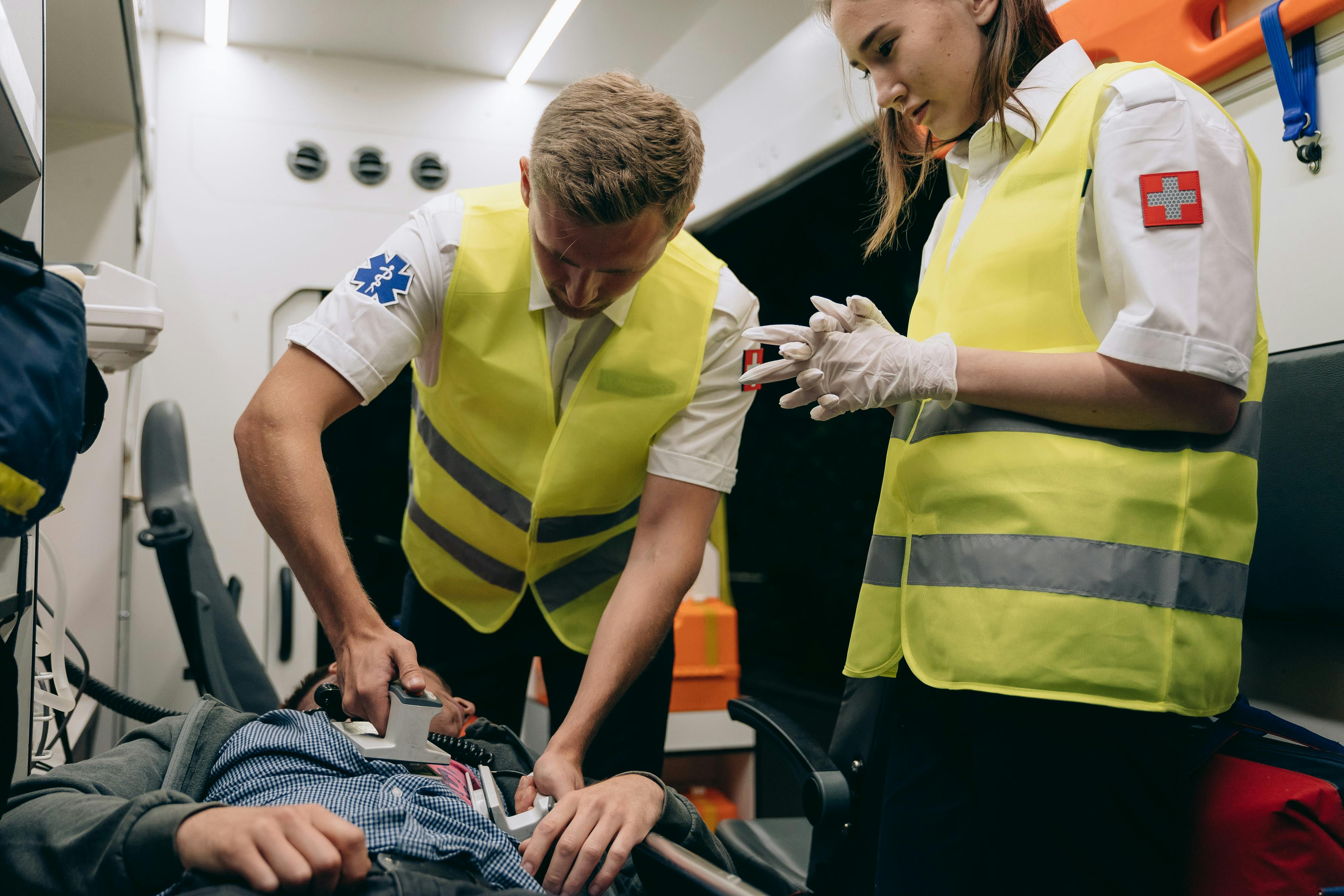
CPR (cardiopulmonary resuscitation) maintains blood flow to vital organs until normal heart function returns. It involves rhythmic chest compressions at the center of the chest, between the nipples, at a rate of
100 to 120 compressions per minute and a depth of about
5 to 6 cm (2 inches).
Ensure the victim is lying on a firm surface.
Place the heel of one hand on the chest center, with the other on top.
Push hard and fast — allow full recoil between compressions.
If trained, provide two rescue breaths after every 30 compressions.
Continuous compressions are critical until professional help arrives or the victim shows signs of life.
c. Early Defibrillation Using an AED
Defibrillation delivers an electric shock to the heart to restore a normal rhythm.
An Automated External Defibrillator (AED) should be used as soon as possible when available. Modern AEDs are designed for public use and provide clear audio instructions.
Studies show that using an AED within the first three to five minutes of collapse
can increase survival rates by up to 70 percent. Shopping malls, airports, schools, and sports facilities are increasingly equipped with AEDs for this reason.
d. Basic Life Support (BLS) Sequence
Check responsiveness and breathing.
Call emergency services or ask someone to do so.
Begin chest compressions immediately.
Attach and follow AED instructions if available.
Continue CPR until advanced help arrives.
3. Advanced Life Support (ALS) and Hospital Management
Once professional responders arrive, advanced life support begins. This phase focuses on restoring spontaneous circulation, stabilizing the patient, and identifying the underlying cause.
a. Airway Management and Oxygenation
Healthcare providers secure the airway using endotracheal intubation or other advanced devices. 100 percent oxygen is administered to correct hypoxia, and ventilation is optimized to maintain normal carbon dioxide levels.
b. Cardiac Rhythm Monitoring and Defibrillation
Continuous ECG monitoring guides treatment. For shockable rhythms (ventricular fibrillation or pulseless ventricular tachycardia), defibrillation is repeated every two minutes until rhythm conversion or termination of efforts.
c. Medication Administration
Drugs used during cardiac arrest management include:
Epinephrine (Adrenaline): 1 mg every 3–5 minutes to improve coronary perfusion.
Amiodarone or Lidocaine: For refractory ventricular fibrillation or tachycardia.
Atropine: Occasionally used for severe bradycardia or asystole.
Sodium Bicarbonate: Administered in prolonged resuscitation for severe acidosis or hyperkalemia.
d. Reversible Causes (The Hs and Ts)
During resuscitation, clinicians search for reversible causes summarized by the Hs and Ts mnemonic:
Hs:
Hypoxia
Hypovolemia
Hypothermia
Hydrogen ion (acidosis)
Hypo/hyperkalemia
Hypoglycemia
Ts:
Tension pneumothorax
Tamponade (cardiac)
Toxins
Thrombosis (coronary or pulmonary)
Trauma
Correcting these underlying problems is vital to restoring spontaneous circulation.
e. Post-Resuscitation Care
Once the patient regains a heartbeat, attention shifts to preventing secondary injury. Key steps include:
Maintaining adequate oxygenation and blood pressure.
Targeted temperature management (mild hypothermia) to protect brain cells.
Urgent cardiac catheterization for suspected myocardial infarction.
Continuous neurological monitoring and supportive care in an intensive care unit (ICU).
4. Survival Rates and Prognosis
Survival from cardiac arrest depends heavily on the speed and quality of response.
According to global statistics from the American Heart Association (2023),
only about 10 percent of people who suffer out-of-hospital cardiac arrest survive to hospital discharge.
However, this rate can rise to 40–50 percent in systems with strong community CPR training and early defibrillation access.
Factors improving survival include:
Witnessed collapse with immediate bystander CPR.
Availability and use of AEDs in public areas.
Rapid arrival of emergency services.
Effective post-resuscitation care, including hypothermia therapy.
References (Part 3)
American Heart Association. (2023). Guidelines for Cardiopulmonary Resuscitation and Emergency Cardiovascular Care.
European Resuscitation Council. (2022). Advanced Life Support Guidelines.
Mayo Clinic. (2024). Cardiac Arrest Treatment and Emergency Response.
Resuscitation Council UK. (2023). Post-Resuscitation Care Guidance.
World Health Organization. (2024). Emergency Cardiac Care Systems and Global Outcomes.
Recovery, Complications, and Long-Term Management After Cardiac Arrest
1. Post-Resuscitation Care Overview
Surviving a cardiac arrest marks only the beginning of a long and complex recovery journey. Post-resuscitation care focuses on restoring organ function, preventing recurrence, and optimizing neurological outcomes.
Immediate intensive care unit (ICU) management is essential for continuous monitoring and treatment of organ systems that may have been deprived of oxygen during the event.
According to the European Resuscitation Council (ERC, 2022), patients who regain spontaneous circulation require structured management to minimize the effects of ischemia-reperfusion injury, which can damage the brain, heart, and kidneys.
2. Neurological Recovery and Brain Protection
Brain injury is one of the most critical complications following cardiac arrest. The longer the brain is deprived of oxygen, the higher the risk of permanent neurological damage.
To mitigate this, clinicians employ a strategy known as Targeted Temperature Management (TTM).
a. Targeted Temperature Management (TTM)
TTM involves lowering the patient’s body temperature to between 32°C and 36°C for 24–48 hours. Cooling reduces metabolic demand, inflammation, and cell death, improving the chances of neurological recovery.
b. Neurological Assessment
After stabilization, doctors evaluate neurological function through:
Glasgow Coma Scale (GCS) scoring
Brainstem reflex testing (pupil and corneal response)
Electroencephalography (EEG) for brain activity
CT or MRI scans for evidence of hypoxic injury
Some patients may awaken within hours, while others require days or weeks, depending on the severity of injury.
3. Cardiac Evaluation and Management
Following resuscitation, determining the cause of the arrest is crucial for preventing recurrence. Cardiac assessment typically involves several steps:
a. Electrocardiogram and Blood Tests
An ECG helps detect ischemic changes, arrhythmias, or conduction abnormalities. Cardiac enzyme tests, such as troponin levels, indicate if a heart attack (myocardial infarction) caused the event.
b. Echocardiography
This ultrasound test assesses heart structure and function — checking for wall motion abnormalities, valve disorders, and left ventricular ejection fraction (LVEF).
c. Coronary Angiography
If coronary blockage is suspected, angiography identifies which arteries are affected.
Early angioplasty or stent placement can restore blood flow, preventing further cardiac events.
d. Implantable Cardioverter Defibrillator (ICD)
Patients at risk of recurrent arrhythmias may receive an ICD — a small device placed under the skin that continuously monitors heart rhythm and delivers an electric shock if a life-threatening rhythm occurs again.
4. Multi-Organ Support After Cardiac Arrest
Because cardiac arrest affects oxygen delivery to all organs, several systems may require support:
Renal (Kidney) Support: Temporary dialysis may be needed for acute kidney injury.
Hepatic (Liver) Monitoring: Liver enzymes are monitored for ischemic injury.
Metabolic Regulation: Blood sugar and electrolytes must be stabilized to prevent further cardiac instability.
5. Rehabilitation and Lifestyle Adjustment
Rehabilitation plays a vital role in restoring independence, cognitive function, and quality of life. The process is multidisciplinary and includes:
a. Physical Rehabilitation
Physical therapy helps rebuild strength, improve endurance, and prevent complications such as muscle wasting.
Early mobilization, when possible, improves outcomes and reduces hospital stay.
b. Occupational and Speech Therapy
Some survivors experience difficulties with speech, memory, or fine motor skills. Specialized therapy assists them in relearning daily tasks and communication.
c. Psychological Counseling
Post-cardiac arrest syndrome may involve anxiety, depression, or post-traumatic stress.
Counseling and peer support groups offer emotional recovery and improve adherence to lifestyle changes.
d. Cardiac Rehabilitation Programs
Structured cardiac rehabilitation programs combine exercise training, education, and counseling to reduce the risk of future events. These programs usually last 6–12 weeks under medical supervision.
6. Lifestyle Modifications and Prevention of Recurrence
Preventing another cardiac event requires addressing the underlying risk factors identified during the recovery phase.
According to the World Health Organization (WHO, 2024), lifestyle modification can prevent up to 80% of recurrent cardiac arrests linked to coronary artery disease.
Quit Smoking: Smoking increases heart disease risk by narrowing arteries and reducing oxygen delivery.
Adopt a Heart-Healthy Diet: Focus on fruits, vegetables, lean proteins, and omega-3-rich foods while limiting salt and saturated fats.
Maintain Regular Exercise: Engage in at least 150 minutes of moderate physical activity weekly.
Manage Stress: Chronic stress triggers hormonal changes that elevate blood pressure and cholesterol.
Limit Alcohol and Control Diabetes: Both contribute to heart rhythm disturbances and artery damage.
7. Possible Complications After Cardiac Arrest
Although survival after cardiac arrest is a major victory, patients may still face several complications. These can be short-term or persist long after hospital discharge.
Neurological Deficits: Memory loss, confusion, or cognitive decline from hypoxic brain injury.
Cardiomyopathy: Weakened heart muscle leading to reduced pumping efficiency.
Respiratory Complications: Pneumonia or difficulty breathing from prolonged ventilation.
Renal Failure: Secondary to low blood pressure and tissue hypoxia.
Psychological Impact: Depression, anxiety, and sleep disorders are common among survivors.
8. Long-Term Follow-Up and Monitoring
Regular medical follow-up ensures continued health stability and early detection of new problems. The care team typically includes cardiologists, neurologists, physiotherapists, and psychologists.
Recommended follow-up measures include:
Quarterly check-ups for heart function and rhythm.
Review and adjustment of cardiac medications.
Repeat ECGs or echocardiograms as needed.
Continuous education on emergency response in case of recurrence.
References (Part 4)
European Resuscitation Council. (2022). Post-Resuscitation and Targeted Temperature Management Guidelines.
American Heart Association. (2023). Cardiac Arrest Recovery and Rehabilitation Protocols.
World Health Organization. (2024). Cardiovascular Disease Prevention and Lifestyle Management Reports.
Mayo Clinic. (2024). Cardiac Rehabilitation and Recovery Guidelines.
British Heart Foundation. (2023). Living After Cardiac Arrest: Patient Guidance.
Prevention, Public Awareness, and Frequently Asked Questions About Cardiac Arrest
1. Prevention of Cardiac Arrest
Cardiac arrest prevention focuses on identifying individuals at risk and addressing the underlying causes. While not every cardiac arrest can be prevented, many occur due to modifiable lifestyle factors and untreated heart conditions.
Early intervention, regular medical screening, and healthy habits significantly lower risk.
a. Regular Health Screening
Routine medical check-ups allow early detection of hypertension, diabetes, high cholesterol, and heart rhythm abnormalities. These are the leading contributors to sudden cardiac events.
b. Control of Chronic Conditions
Hypertension: Maintain blood pressure below 130/80 mmHg through diet, exercise, and prescribed medication.
Diabetes: Monitor blood glucose regularly and follow an appropriate diet and medication plan.
Dyslipidemia: Manage cholesterol levels to prevent arterial blockage and coronary artery disease.
c. Healthy Lifestyle Habits
The World Health Organization (2024) emphasizes the importance of diet and physical activity in maintaining cardiovascular health.
Regular exercise, smoking cessation, stress control, and a balanced diet with low sodium and high fiber content protect against sudden cardiac events.
Engage in at least 150 minutes of moderate aerobic exercise per week.
Limit salt intake to less than 5 grams per day.
Consume fresh fruits, vegetables, and whole grains daily.
Eliminate tobacco and minimize alcohol consumption.
2. Community Preparedness and Public Awareness
Public awareness campaigns and community readiness are essential for improving survival rates after cardiac arrest.
When ordinary citizens understand how to recognize cardiac arrest and perform CPR, more lives can be saved before professional responders arrive.
a. The Importance of CPR Training
Widespread CPR (Cardiopulmonary Resuscitation) training among the general population dramatically increases out-of-hospital survival rates.
Studies from the American Heart Association (AHA, 2023) show that bystander CPR can double or triple the chances of survival.
b. Availability of AEDs in Public Areas
Public access to Automated External Defibrillators (AEDs) is a proven life-saving strategy. Schools, airports, gyms, and workplaces should be equipped with AEDs, and the public should be trained in their use.
c. Awareness Campaigns
National and regional campaigns can include:
Community CPR workshops and free AED demonstrations.
Social media drives emphasizing “Call, Push, Shock.”
Partnerships between hospitals, NGOs, and governments to promote heart health education.
School programs teaching CPR to students and teachers.
These initiatives strengthen the Chain of Survival and ensure faster responses when cardiac arrest occurs.
3. Recognizing Early Warning Signs
Although cardiac arrest can occur suddenly, warning signs often appear hours or days before the event. Recognizing these can lead to early medical attention and prevention.
Chest discomfort or tightness that lasts more than a few minutes.
Shortness of breath not explained by physical activity.
Unusual fatigue or dizziness.
Palpitations or irregular heartbeats.
Sudden fainting or near-fainting episodes.
Any of these symptoms should prompt urgent evaluation by a healthcare provider, especially in individuals with known heart disease or risk factors.
4. Global Perspective and Public Health Challenge
Cardiac arrest remains a leading cause of mortality worldwide. According to the World Health Organization (WHO, 2024), sudden cardiac death accounts for approximately
15–20% of all global deaths annually. Most of these occur outside hospital settings, underscoring the importance of community response and preventive care.
Low- and middle-income countries face unique challenges such as limited access to emergency medical services, lack of AEDs, and minimal public CPR knowledge. Addressing these gaps through education and policy is crucial for reducing mortality.
Key Public Health Strategies
National CPR training initiatives integrated into school curricula.
Installation of AEDs in high-traffic public areas.
Strengthening emergency response systems and ambulance services.
Promoting heart-healthy urban planning and nutrition policies.
5. Frequently Asked Questions (FAQs)
Q1. What is the difference between cardiac arrest and a heart attack?
A heart attack occurs when blood flow to a part of the heart muscle is blocked, but the heart may continue beating.
Cardiac arrest, on the other hand, is when the heart suddenly stops beating altogether. A heart attack can sometimes lead to cardiac arrest.
Q2. Can cardiac arrest happen to young people?
Yes. While it is more common among older adults, cardiac arrest can occur in young individuals due to genetic conditions, electrical abnormalities, or structural heart defects such as hypertrophic cardiomyopathy.
Q3. How long can the brain survive without oxygen?
Brain cells begin to die within 4 to 6 minutes without oxygen.
This is why immediate CPR is vital — it provides partial blood flow to the brain until professional help arrives.
Q4. Are there warning signs before cardiac arrest?
Yes, many victims experience warning signs such as chest pain, dizziness, or irregular heartbeat before collapsing.
Taking these symptoms seriously can save lives.
Q5. Can lifestyle changes really prevent cardiac arrest?
Absolutely. Research shows that up to 70–80% of sudden cardiac deaths related to coronary artery disease are preventable through diet, exercise, stress management, and regular medical screening.
6. Key Takeaways
Cardiac arrest is a life-threatening emergency requiring immediate action.
Early CPR and defibrillation are the most effective life-saving measures.
Post-resuscitation care and rehabilitation are essential for long-term survival.
Public awareness and community preparedness save lives.
Healthy lifestyle choices can prevent most cardiac-related deaths.
7. Conclusion
Cardiac arrest remains one of the most urgent medical crises globally. Its sudden nature demands both individual preparedness and community-level awareness.
Survival depends not just on medical technology but on fast human action — recognizing the signs, performing CPR, and using an AED without hesitation.
As public health organizations and communities collaborate to train more people in life-saving techniques, the chances of survival continue to rise.
Ultimately, preventing cardiac arrest through a heart-healthy lifestyle and empowering others to respond in emergencies can transform outcomes for millions worldwide.
References (Part 5)
World Health Organization. (2024). Global Cardiovascular Mortality Statistics.
American Heart Association. (2023). Community CPR and AED Guidelines.
Centers for Disease Control and Prevention (CDC). (2023). Preventing Sudden Cardiac Death.
European Society of Cardiology. (2022). Lifestyle and Risk Factor Management Recommendations.
British Heart Foundation. (2024). CPR and AED Awareness Campaign Reports.