
Discover 12 foods that may support better sleep, including kiwi, tart cherries, fatty fish, almonds, oats, yogurt, and magnesium-rich foods.
Foods That May Support Better Sleep: 12 Options to Try
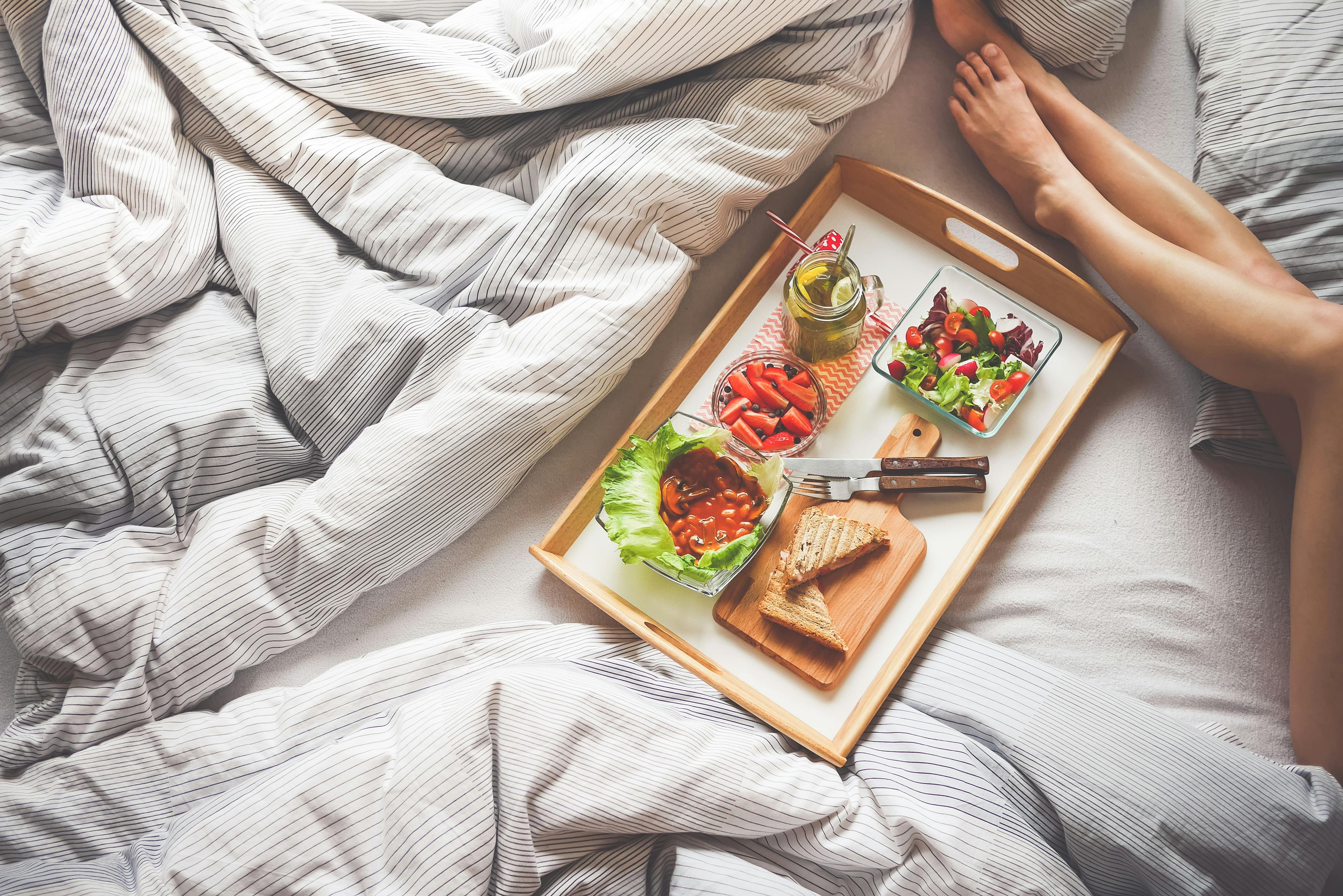
What you eat may play a role in how well you sleep. While no single food can guarantee a good night's sleep, a balanced eating pattern can provide nutrients involved in normal sleep regulation and overall health. Some foods, including kiwi and tart cherries, have also been studied specifically for possible effects on sleep.
This guide looks at 12 foods and drinks that may be useful as part of a healthy eating pattern, explains what the evidence actually shows, and gives practical ideas for including them in your evening routine. The evidence is still developing, so these foods should be viewed as supportive nutrition rather than treatment for insomnia or another sleep disorder.
- Kiwi and tart cherries are among the foods that have been directly studied for possible effects on sleep.
- Fatty fish, nuts, seeds, oats, yogurt, bananas, and leafy greens can provide nutrients important for overall health and normal body function.
- Magnesium, protein, fiber, healthy fats, and other nutrients may contribute to a balanced diet, but eating more of one nutrient does not necessarily improve sleep.
- Caffeine, alcohol, large meals, and foods that cause digestive discomfort may interfere with sleep in some people.
- Food works best as part of a broader sleep routine that includes a regular schedule, adequate sleep time, and good sleep habits.
- Persistent insomnia, loud snoring, breathing pauses during sleep, or significant daytime sleepiness should be discussed with a healthcare professional.
How Nutrition May Influence Sleep
Sleep and nutrition are closely connected, although the relationship is more complicated than simply eating a particular food before bed. Research suggests that overall dietary patterns may be associated with sleep quality, but much of the evidence is observational and cannot prove that a specific food causes better sleep.
A systematic review published in Sleep Medicine Reviews examined research on diet and sleep quality and found associations between healthier dietary patterns and better sleep features. The same review noted that many available studies were observational and that more high-quality research is needed before firm cause-and-effect conclusions can be made.
This distinction matters. A food can contain nutrients involved in normal physiological processes without being a proven sleep treatment. For that reason, the foods below are described as options that may support healthy sleep rather than foods that cure insomnia.
12 Foods That May Support Better Sleep
1. Kiwi
Kiwi is rich in vitamin C, fiber, potassium, and other nutrients. It has also been studied directly for sleep. Small human studies have reported improvements in some sleep measures after regular kiwi consumption, although the evidence base remains limited.
If you enjoy kiwi, one or two fruits can be a simple addition to an evening meal or snack. You do not need to eat kiwi specifically at bedtime to benefit from its nutritional value.
What the evidence says: Research on kiwi and sleep is promising but based on relatively small studies, so larger trials are needed.
2. Tart Cherries
Tart cherries, particularly Montmorency cherries, contain naturally occurring compounds including melatonin. A small randomized crossover study found that tart cherry concentrate increased urinary melatonin levels and was associated with improvements in some sleep measures.
Other research has produced mixed results, and the studies have generally involved small numbers of participants. Tart cherries therefore should not be considered a proven treatment for insomnia.
Fresh or frozen tart cherries can be used with plain yogurt or oats. If using tart cherry juice, check the nutrition label because some products contain substantial amounts of added sugar.
3. Fatty Fish
Fatty fish such as salmon, sardines, trout, and mackerel provide protein and omega-3 fatty acids. Some also provide vitamin D. These nutrients are important for general health, including normal brain and nervous-system function.
Research has explored connections between fish consumption, omega-3 intake, vitamin D, and sleep, but it would be misleading to claim that eating fatty fish directly treats insomnia.
Including fish as part of a balanced diet can nevertheless be a practical way to increase protein and unsaturated fats while supporting overall dietary quality.
4. Almonds
Almonds provide protein, fiber, healthy unsaturated fats, and magnesium. Magnesium is involved in many processes in the body, including normal muscle and nerve function.
Although almonds are sometimes promoted specifically as a sleep food, evidence that eating almonds alone improves sleep is limited. Their main value is as a nutrient-dense food that can fit into an overall healthy eating pattern.
A small handful of unsalted almonds can be paired with fruit or plain yogurt if you need an evening snack.
5. Walnuts
Walnuts contain unsaturated fats, plant protein, fiber, and several micronutrients. They also contain small amounts of naturally occurring melatonin.
The presence of melatonin does not mean that walnuts act like a melatonin supplement. The amount consumed in a normal serving is different from taking a concentrated supplement, and evidence that walnuts improve sleep in humans is still limited.
Use walnuts as part of a balanced diet rather than relying on them as a sleep remedy.
6. Bananas
Bananas provide carbohydrates, potassium, vitamin B6, and fiber. They are also convenient and generally easy to include in a small evening snack.
Bananas are often described online as a natural sleep aid, but strong clinical evidence that eating a banana before bed improves sleep is lacking. Their practical benefit is that they can form part of a balanced snack without requiring preparation.
7. Oats
Oats provide complex carbohydrates, fiber, and several micronutrients. Plain oats can be combined with yogurt, milk, fruit, nuts, or seeds to make a balanced meal or snack.
There is not enough evidence to say that oats themselves treat sleep problems. However, choosing minimally processed, fiber-rich carbohydrates can be consistent with an overall dietary pattern associated with better health.
8. Turkey and Other Lean Protein Foods
Turkey contains tryptophan, an amino acid involved in the body's production of serotonin and melatonin. However, eating turkey does not automatically make a person sleepy, and the popular idea that turkey is a powerful sleep-inducing food is overstated.
Other protein foods also provide tryptophan, including eggs, dairy products, fish, poultry, beans, and some nuts and seeds. The overall composition of the meal matters more than focusing on one amino acid.
9. Chamomile Tea
Chamomile tea is commonly used as a relaxing bedtime drink. However, evidence that chamomile itself treats insomnia is limited. The National Center for Complementary and Integrative Health notes that there is not enough conclusive clinical evidence to determine whether chamomile is effective for insomnia.
For adults who tolerate chamomile, an unsweetened caffeine-free tea can be a calming alternative to caffeinated beverages in the evening.
People who are allergic to ragweed or related plants should use caution because chamomile can cause allergic reactions in susceptible individuals.
10. Greek Yogurt
Greek yogurt provides protein and calcium and can be combined with fruit, oats, nuts, or seeds. A plain, unsweetened variety can be a useful evening option when you want something filling without a large meal.
There is not strong evidence that Greek yogurt specifically improves sleep. Its value is primarily nutritional and practical: it can help create a balanced snack or light meal.
11. Pumpkin Seeds
Pumpkin seeds provide magnesium, zinc, protein, fiber, and unsaturated fats. They can be sprinkled over oats or yogurt or eaten in a small portion with fruit.
Magnesium is important for normal nerve and muscle function, but this does not mean that eating pumpkin seeds immediately before bed will necessarily improve sleep. Their benefit comes from their overall nutrient profile.
12. Leafy Green Vegetables
Leafy greens such as spinach, sukuma wiki, kale, and collard greens provide folate, magnesium, fiber, potassium, and other nutrients.
They do not need to be eaten at bedtime. Including vegetables regularly throughout the day is a more useful approach than trying to use one food as a sleep intervention.
For an evening meal, leafy greens can be combined with a source of protein and a moderate portion of whole-grain or starchy carbohydrates.
Foods and Drinks That May Disrupt Sleep
Improving sleep is not only about adding foods. Some eating and drinking habits can make sleep more difficult, particularly when they are consumed close to bedtime.
Caffeine
Coffee, energy drinks, some teas, cola, chocolate, and certain medications can contain caffeine. Caffeine can remain active in the body for several hours, and people differ considerably in their sensitivity.
If you have trouble falling asleep, consider moving caffeinated drinks earlier in the day and observing whether your sleep improves.
Alcohol
Alcohol may make some people feel sleepy initially, but it can interfere with normal sleep patterns and may contribute to fragmented sleep. Using alcohol as a sleep aid is therefore not recommended.
Large or Heavy Meals Close to Bedtime
A large meal shortly before lying down may cause fullness, reflux, bloating, or discomfort in some people. If you experience these symptoms, eating dinner earlier or choosing a smaller evening meal may help.
Highly Sugary Foods and Drinks
Foods high in added sugars can be part of an otherwise balanced diet, but frequent intake of sugary drinks and highly processed foods is not generally associated with the healthiest dietary patterns. A systematic review found associations between higher intake of processed and free-sugar-rich foods and less favorable sleep features, although the evidence does not establish causation.
Simple Evening Snack Ideas
If you are genuinely hungry in the evening, a small balanced snack may be more comfortable than going to bed very hungry or eating a large meal. Here are a few practical combinations:
The goal is not to create a special "sleep formula." Choose foods you tolerate well and keep the portion appropriate for your hunger and usual eating pattern.
How to Build a Sleep-Supportive Evening Meal
A practical evening meal does not need to contain a list of so-called sleep foods. Instead, aim for a balanced plate.
- Protein: fish, chicken, eggs, beans, lentils, yogurt, or another suitable protein source.
- Vegetables: leafy greens or other vegetables you enjoy.
- High-fiber carbohydrate: oats, whole grains, potatoes, sweet potatoes, beans, or another minimally processed carbohydrate.
- Healthy fat: nuts, seeds, avocado, or an appropriate amount of unsaturated cooking oil.
- Fluids: enough water during the day while avoiding excessive fluid intake immediately before bed if nighttime urination interrupts your sleep.
This approach focuses on overall dietary quality rather than treating one nutrient or food as a sleep medicine.
Healthy Sleep Habits to Combine With Sleep-Supportive Foods
Food is only one part of sleep health. Most adults need at least seven hours of sleep per night, although sleep requirements vary by age. The CDC also recommends talking with a healthcare professional when sleep problems persist.
For additional practical guidance, see our guides on how to improve your sleep cycle and how to fall asleep faster naturally.
- Keep a reasonably consistent bedtime and wake-up time.
- Give yourself enough time to sleep rather than routinely cutting sleep short.
- Reduce caffeine later in the day if it affects your sleep.
- Limit alcohol as a strategy for falling asleep.
- Keep your bedroom quiet, comfortable, and suitable for sleep.
- Reduce stimulating activities close to bedtime.
- Exercise regularly, while avoiding very intense exercise immediately before bed if it keeps you awake.
- Seek medical advice for persistent or severe sleep problems.
Does Eating Before Bed Affect Sleep?
It depends on the person, the amount of food, and what is eaten. A small snack may be comfortable for someone who is hungry, while a large or spicy meal may cause reflux or digestive discomfort.
There is no universal rule that everyone should stop eating at a particular hour. If eating close to bedtime does not cause discomfort and fits your normal eating pattern, a small snack may be reasonable. If you regularly experience reflux, bloating, or poor sleep after late meals, try moving your main meal earlier.
Can Magnesium-Rich Foods Improve Sleep?
Magnesium is an essential mineral involved in normal nerve and muscle function. Foods containing magnesium include pumpkin seeds, almonds, beans, leafy greens, whole grains, and some other nuts and seeds.
However, the presence of magnesium in a food does not prove that the food will improve sleep. Research into magnesium and sleep has produced interest but remains insufficient to support treating insomnia simply by increasing magnesium-rich foods.
For most people, obtaining nutrients from a varied diet is preferable to taking supplements without a clear reason. People with a diagnosed deficiency or particular medical conditions should discuss supplementation with a healthcare professional.
What About Foods Containing Melatonin?
Some foods contain naturally occurring melatonin, including tart cherries and certain nuts. Tart cherry juice has been studied in small human trials, with some findings suggesting changes in melatonin-related measures and sleep outcomes.
This does not mean that foods containing melatonin work in the same way as a concentrated melatonin supplement. The dose, timing, food composition, and individual response are different.
It is therefore more accurate to say that some foods contain compounds involved in sleep-related biological pathways than to describe them as natural sleeping pills.
Frequently Asked Questions
What is the best food to eat before bed?
There is no single best food for everyone. If you are hungry, a small snack containing protein, fiber, or a combination of nutrients may be more suitable than a large meal. Options such as plain yogurt with fruit, oats with a small amount of nuts, or fruit with unsalted nuts can work for many people.
Does kiwi really help with sleep?
Kiwi has been studied for possible effects on sleep, and small studies have reported improvements in some sleep measures. However, the evidence is still limited. Kiwi should be considered a nutritious food that may support sleep rather than a proven treatment for insomnia.
Do tart cherries contain melatonin?
Yes. Tart cherries contain naturally occurring melatonin and other plant compounds. A small randomized study found increased urinary melatonin after tart cherry concentrate consumption, but more research is needed to determine how consistently this translates into meaningful improvements in sleep.
Can bananas make you sleepy?
Bananas contain nutrients such as vitamin B6 and potassium, but strong evidence that eating a banana directly causes sleepiness is lacking. A banana can still be a convenient and nutritious evening snack.
Are oats good to eat at night?
Oats can be a reasonable evening food because they provide fiber and carbohydrates and can be combined with protein-rich foods such as yogurt. Whether eating oats at night improves sleep specifically has not been firmly established.
Can magnesium-rich foods help with sleep?
Magnesium is important for normal nerve and muscle function, and many healthy foods provide it. However, eating magnesium-rich foods should not be presented as a guaranteed treatment for insomnia. A varied diet is the preferred way to obtain nutrients for most people.
Is chamomile tea proven to treat insomnia?
No. Chamomile has traditionally been used as a bedtime tea, but the National Center for Complementary and Integrative Health reports that there is not enough conclusive evidence to determine whether chamomile is effective for insomnia.
Should I avoid eating before bed?
Not necessarily. Some people sleep comfortably after a small snack, while others experience reflux, fullness, or disrupted sleep after eating late. Your response, meal size, and food choices matter.
When should I see a doctor about poor sleep?
Speak with a healthcare professional if sleep problems are persistent, interfere with daytime activities, or are accompanied by loud snoring, witnessed breathing pauses, choking or gasping during sleep, severe daytime sleepiness, or other concerning symptoms.
The Bottom Line
Certain foods may fit into a diet that supports healthy sleep, but there is no single food that reliably fixes poor sleep. Kiwi and tart cherries have some direct research behind them, while foods such as fatty fish, nuts, seeds, oats, yogurt, bananas, and vegetables can contribute valuable nutrients to an overall healthy diet.
The bigger picture matters more than any individual food. A consistent sleep schedule, enough time for sleep, regular physical activity, appropriate caffeine intake, a comfortable sleep environment, and attention to medical causes of sleep problems are all important.
If you regularly struggle to fall asleep, wake repeatedly during the night, or feel excessively tired during the day, do not rely on food alone. Persistent sleep problems deserve proper assessment.
References
- Godos J, Grosso G, Castellano S, et al. Association between diet and sleep quality: A systematic review. Sleep Medicine Reviews. 2021;57:101430. PubMed
- Howatson G, Bell PG, Tallent J, et al. Effect of tart cherry juice on melatonin levels and enhanced sleep quality. European Journal of Nutrition. 2012;51(8):909–916. PubMed
- Du C, Almotawa J, Feldpausch CE, et al. Effects of macronutrient intake on sleep duration and quality: A systematic review. Nutrition & Dietetics. 2022;79(1):59–75. PubMed
- St-Onge MP, Mikic A, Pietrolungo CE. Effects of diet on sleep quality. Advances in Nutrition. 2016;7(5):938–949. PubMed
- National Center for Complementary and Integrative Health. Chamomile: Usefulness and Safety. Updated November 2024. NCCIH
- National Center for Complementary and Integrative Health. Sleep Disorders and Complementary Health Approaches: Usefulness and Safety. NCCIH
- Centers for Disease Control and Prevention. About Sleep: Recommended Sleep Duration and Sleep Health. CDC
This article is provided for general educational purposes and is not a substitute for individualized medical advice, diagnosis, or treatment. Nutritional and sleep needs vary between individuals. If you have persistent insomnia, sleep apnea symptoms, a chronic medical condition, take medications, are pregnant, or have concerns about your sleep or diet, speak with a qualified healthcare professional.
Editorial note: Health information on VitalWell Hub is reviewed and updated periodically as evidence and clinical guidance evolve.


COMMENTS