
Chia seeds may support blood sugar control through their fiber, healthy fats, and protein. Learn what research says about chia seeds and blood sugar.
The Surprising Impact of Chia Seeds on Blood Sugar Levels
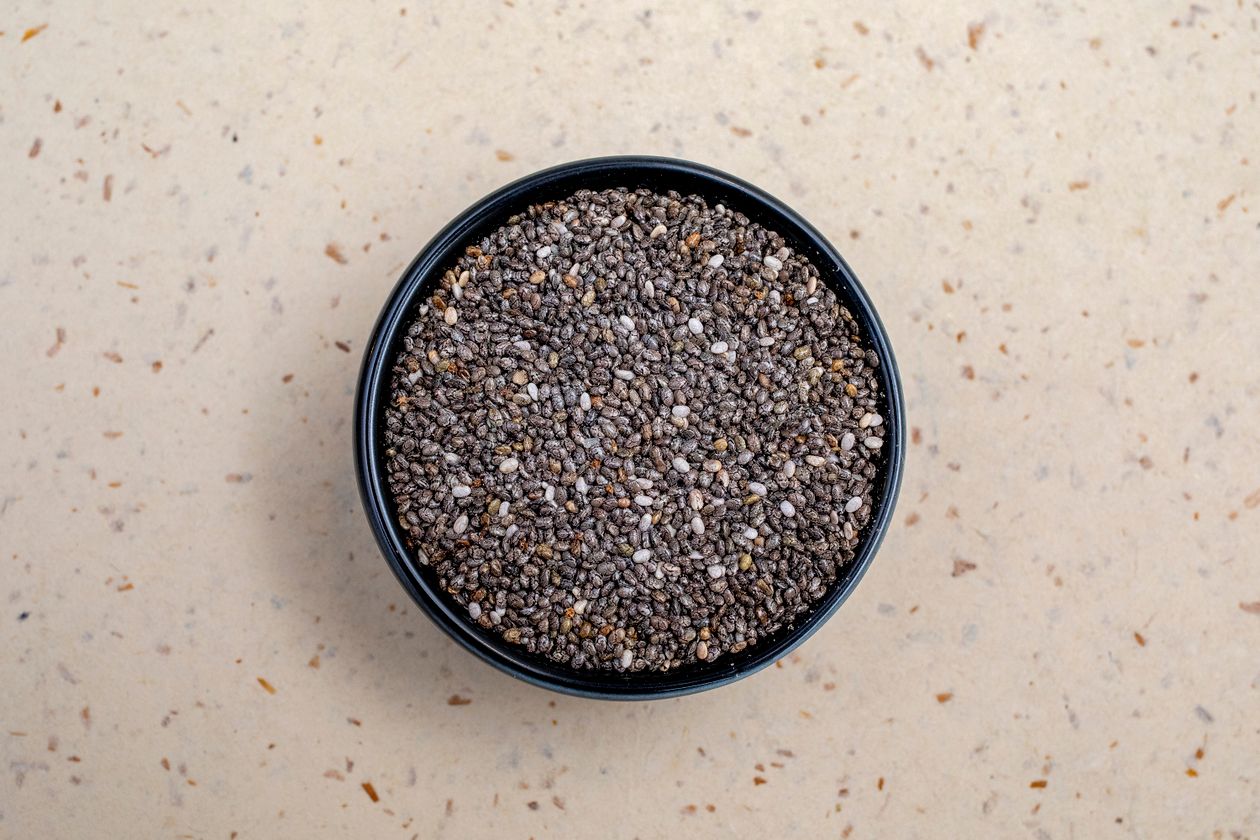
Featured snippet: Chia seeds may help moderate blood sugar after meals because their viscous fiber can slow digestion and carbohydrate absorption. However, current evidence does not show that chia seeds alone reliably lower fasting blood glucose or HbA1c. They are best used as part of a balanced, high-fiber eating pattern rather than as a treatment for diabetes.
Introduction
Blood sugar problems are among the most important metabolic health challenges facing adults today. Prediabetes and diabetes affect hundreds of millions of people worldwide, while insulin resistance and excess body weight can increase the likelihood of developing type 2 diabetes. At the same time, growing interest in nutrition has encouraged people to look beyond individual nutrients and consider how everyday foods may contribute to healthier glucose patterns.
One food that has attracted considerable attention is the chia seed. These tiny seeds from Salvia hispanica contain substantial amounts of dietary fiber, plant protein and unsaturated fats. They also provide alpha-linolenic acid, a plant-based omega-3 fatty acid, as well as minerals such as calcium, magnesium and phosphorus. Their unusual ability to absorb liquid and form a gel has made them particularly interesting when researchers examine digestion and post-meal glucose responses.
But what does the evidence really say about chia seeds and blood sugar? Claims online can make chia sound like a natural diabetes treatment, but the scientific evidence is more measured. Chia seeds may influence the rate at which carbohydrates are digested and absorbed, particularly because of their viscous fiber. However, that does not mean that eating chia can cure diabetes, eliminate glucose spikes or replace prescribed treatment.
The more useful question is how chia fits into an overall approach to glucose management. A diet emphasizing vegetables, legumes, whole grains, nuts, seeds, adequate protein and minimally processed foods can support metabolic health. Chia seeds can be one small but practical part of that pattern.
This article examines the science behind chia seeds for diabetes-friendly eating, explains potential effects on post-meal blood glucose, discusses what clinical studies have found, and provides practical ways to add chia to everyday meals without exaggerating its benefits.
What Are Chia Seeds?
Chia seeds come from Salvia hispanica, a flowering plant belonging to the mint family. The plant is native to parts of Mexico and Central America, where chia has a long history as a traditional food. Although chia has become a modern health-food trend, its nutritional value is not a recent discovery.
What makes chia particularly interesting from a nutrition perspective is its combination of fiber, protein and unsaturated fat in a very small serving. According to the USDA FoodData Central, dried chia seeds provide substantial dietary fiber and contain important nutrients including calcium, magnesium, phosphorus and ALA omega-3 fatty acid.
The seeds are also highly absorbent. When mixed with water or another liquid, chia can form a thick gel-like coating around each seed. This physical property is largely related to soluble fiber and helps explain why researchers have investigated chia as a possible way of modifying digestion and the post-meal glucose response.
Key Nutrients in Chia Seeds
The nutritional profile of chia is relevant because blood sugar management is influenced by the overall composition of meals. Fiber can slow digestion and carbohydrate absorption, protein can increase satiety, and unsaturated fats can contribute to a heart-conscious eating pattern. Chia therefore provides several nutrients that can complement a balanced diet.
However, it is important not to confuse nutritional potential with proven therapeutic effects. A food can contain nutrients associated with metabolic health without independently producing clinically meaningful improvements in diabetes markers.
Understanding Blood Sugar Levels
Blood glucose, commonly called blood sugar, is the primary sugar circulating in the bloodstream. Glucose is an important source of energy, particularly for the brain, but the body needs to regulate the amount present in the blood. Insulin, a hormone produced by the pancreas, plays a central role in this process.
After carbohydrate-containing food is eaten, digestion breaks carbohydrates into smaller molecules, including glucose. As glucose enters the bloodstream, the pancreas releases insulin. Insulin helps cells take up glucose so it can be used for energy or stored for later use.
Why Does Blood Sugar Rise After Eating?
A rise in blood glucose after eating is normal. The size and duration of that rise depend on numerous factors, including the amount and type of carbohydrate consumed, fiber content, protein and fat in the meal, physical activity, insulin sensitivity, medications, sleep, stress and individual metabolic health.
Highly processed carbohydrate-rich foods that contain little fiber can be digested relatively quickly. By contrast, meals that combine fiber-rich carbohydrates with protein, healthy fats and vegetables may produce a slower and more gradual glucose response.
Why Healthy Blood Sugar Levels Matter
Persistently elevated blood glucose can damage blood vessels and tissues over time and is associated with complications affecting the eyes, kidneys, nerves and cardiovascular system. This is why people living with diabetes are often encouraged to monitor glucose and work toward individualized targets.
HbA1c is another important measurement. It provides an estimate of average blood glucose over approximately the previous two to three months and is commonly used to assess long-term glycemic control.
The Science Behind Chia Seeds and Blood Sugar Control
Soluble Fiber May Slow Digestion
The strongest nutritional explanation for a potential relationship between chia and blood glucose is its fiber content. Chia contains both soluble and insoluble fiber. Soluble fiber can absorb water and increase the viscosity of food within the digestive tract.
This increased viscosity may slow gastric emptying and delay the movement of carbohydrates through the digestive process. As a result, glucose may enter the bloodstream more gradually. A slower release of glucose can potentially reduce the size of a post-meal glucose rise.
This mechanism is biologically plausible, but it should not be interpreted as proof that chia seeds will produce the same effect in every person. The overall carbohydrate content and composition of the meal remain important.
Fiber and Blood Sugar
The relationship between fiber and blood sugar is much broader than chia alone. Research on dietary fiber suggests that higher-fiber eating patterns can support cardiometabolic health, while viscous soluble fibers can reduce post-meal glucose and insulin responses.
This is one reason chia may be useful. Instead of thinking of it as a special glucose-lowering food, it is more accurate to view chia as a convenient way to increase fiber within a generally nutritious diet.
Protein and Healthy Fats
Chia seeds also provide plant protein and unsaturated fats. Protein and fat can influence gastric emptying, satiety and the metabolic response to a meal. Combining chia with foods such as oats, plain yogurt, vegetables or whole fruit can therefore create a more balanced meal than consuming refined carbohydrates alone.
The food combination matters. Adding chia seeds to a high-sugar dessert does not automatically make that dessert a low-glycemic or diabetes-friendly food.
Top Benefits of Chia Seeds for Blood Sugar Management
1. They May Help Moderate Post-Meal Glucose Responses
One of the most interesting potential benefits of chia is its effect on postprandial, or after-meal, glucose. The viscous fiber formed when chia absorbs liquid may slow the digestion and absorption of carbohydrates. This can potentially reduce the speed at which glucose enters the bloodstream.
Some controlled studies have observed changes in post-meal glucose or insulin responses when chia is incorporated into meals. However, the size of the effect varies, and chia should not be expected to eliminate normal post-meal increases in blood glucose.
2. Chia May Support a Higher-Fiber Eating Pattern
Fiber is important for digestive and metabolic health. Many adults do not consume enough fiber, and increasing fiber intake through foods such as vegetables, beans, whole grains, nuts and seeds can improve the overall nutritional quality of the diet.
Adding chia to oatmeal, yogurt, smoothies or salads is therefore a simple way to increase fiber without relying on highly processed products.
3. Chia May Increase Satiety
Chia seeds absorb liquid and contain fiber, protein and fat, all of which can contribute to feelings of fullness. Greater satiety may help some people manage portions and reduce unnecessary snacking.
This can indirectly support glucose management because maintaining an appropriate body weight is relevant to insulin sensitivity and type 2 diabetes risk. However, chia itself is not a weight-loss medication, and excessive portions still contribute calories.
4. Chia Can Support Weight Management Efforts
Weight management is an important part of metabolic health for people who have overweight or obesity. Excess visceral fat is associated with insulin resistance, and sustained weight loss can improve several metabolic risk factors.
Chia may be helpful when it replaces lower-fiber foods or is used to build more satisfying meals. The benefit comes from the overall dietary pattern rather than from a special fat-burning or glucose-lowering effect of chia.
For more information, read our detailed guide: Chia Seeds for Weight Management: Easy Ways to Lose Weight .
5. Chia May Complement Heart-Healthy Eating
People with diabetes have an increased risk of cardiovascular disease, making heart health an important component of glucose management. Chia provides ALA omega-3 fatty acid, fiber and unsaturated fats, which can fit into a dietary pattern emphasizing plant foods and healthier fat sources.
However, chia should not be promoted as a treatment for heart disease. Its potential value is better understood as one part of a broader heart-healthy dietary pattern.
What Research Says About Chia Seeds and Blood Sugar
Research into chia and metabolic health has produced interesting findings, but the evidence remains limited. Some human studies have found changes in post-meal glucose and insulin responses, while other trials have not found meaningful improvements in longer-term glucose measures.
A randomized controlled trial published in Diabetes Care examined Salba-chia in adults with type 2 diabetes. The study reported improvements in several cardiovascular risk factors, including systolic blood pressure, after regular consumption. However, the findings do not establish chia as a diabetes treatment or demonstrate that it reliably lowers HbA1c.
Other research has examined chia incorporated into meals and observed changes in postprandial glucose responses. These findings make physiological sense because viscous fiber can alter digestion and nutrient absorption.
However, studies differ considerably in their design, duration, dose, participant characteristics and dietary background. Small studies may also be unable to detect modest changes in long-term metabolic markers.
What is the evidence-based conclusion? Chia seeds may help modify some post-meal glucose responses and are a nutritious source of fiber, but current evidence is insufficient to conclude that chia seeds alone substantially lower fasting blood glucose or HbA1c. They should complement, not replace, established diabetes management.
For broader information about diabetes nutrition and evidence-based dietary approaches, readers can consult the American Diabetes Association's Standards of Care in Diabetes.
Best Ways to Add Chia Seeds to Your Diet
The easiest way to consume chia is as an ordinary food ingredient. There is no need to purchase expensive chia supplements or follow complicated protocols. A small serving can be incorporated into meals that already contain vegetables, protein, whole grains or other minimally processed foods.
Chia Water
Mix approximately one tablespoon of chia seeds with water and allow them to hydrate before drinking. Because chia absorbs liquid, adequate hydration is important. People who have been advised to restrict fluids should follow their healthcare professional's recommendations.
Smoothies
Add chia to a smoothie containing unsweetened yogurt or milk, vegetables, berries or another whole fruit and a source of protein. Avoid relying heavily on fruit juice, syrups or added sugar, as these can substantially increase the carbohydrate content of the drink.
Yogurt
Stir chia seeds into plain Greek yogurt and add berries, nuts or seeds. This combination provides protein and fiber and can be more filling than a sweetened yogurt product.
Oatmeal
Add chia to oatmeal during or after cooking. Choose minimally processed oats and limit added sugar. Combining oats with chia, nuts and a protein-rich food can create a more balanced breakfast.
Salads
Sprinkle chia seeds over salads containing leafy greens, vegetables, beans, eggs, fish or another protein source. Chia can add texture and nutrients without requiring a major change to the meal.
Chia Pudding
Combine chia seeds with unsweetened milk or a suitable fortified plant-based alternative and refrigerate until the mixture thickens. Add berries, cinnamon, nuts or seeds for flavor instead of large amounts of sugar or syrup.
Healthy Baking
Chia can be added to homemade whole-grain muffins, breads and other baked foods. Keep in mind that adding chia does not automatically make a recipe low in carbohydrates or appropriate for everyone with diabetes.
How Much Chia Seed Should You Eat Daily?
There is no scientifically established therapeutic dose of chia seeds for lowering blood glucose. For general nutrition, approximately 1 to 2 tablespoons, or about 12 to 24 grams, per day is a practical amount for many adults.
People who are not accustomed to eating high-fiber foods should start with a smaller serving and increase gradually. This can help reduce gas, bloating and other digestive symptoms that sometimes occur when fiber intake increases suddenly.
Chia seeds can be incorporated into meals or soaked in liquid before consumption. Drinking adequate fluids throughout the day is particularly important when increasing dietary fiber.
More is not necessarily better. Larger amounts increase calorie and fiber intake without providing a proven additional glucose-lowering benefit.
Potential Side Effects and Precautions
Digestive Problems
A sudden increase in chia consumption can cause bloating, gas, abdominal discomfort or changes in bowel movements. Gradually increasing fiber intake generally improves tolerance.
Hydration Matters
Chia seeds absorb water and swell considerably. For this reason, people should consume them with sufficient liquid or incorporate them into moist foods. Individuals with swallowing difficulties should take particular care.
Diabetes Medication
People taking glucose-lowering medication should continue monitoring their blood glucose according to their healthcare plan. Dietary changes can affect glucose levels, and medication adjustments should only be made under professional supervision.
Medication Absorption
Because chia is high in fiber, people taking medications that require precise absorption should discuss regular high-fiber supplementation or major dietary changes with a pharmacist or healthcare professional.
Medical Conditions
Anyone with diabetes, prediabetes, gastrointestinal disease, swallowing problems, a condition requiring fluid restriction or another chronic medical condition should seek individualized advice before making substantial dietary changes.
Key Takeaways
- Chia seeds are naturally rich in dietary fiber, plant protein and unsaturated fats.
- Their viscous fiber may slow digestion and carbohydrate absorption.
- Some human research suggests chia can modify certain post-meal glucose responses.
- Evidence that chia alone substantially lowers fasting glucose or HbA1c remains limited and inconsistent.
- Chia can contribute to a high-fiber dietary pattern that supports overall metabolic health.
- The seeds may increase satiety and can be useful in meals designed to support healthy weight management.
- Chia should complement—not replace—prescribed diabetes treatment.
- Pair chia with vegetables, protein, whole grains and other minimally processed foods for a balanced meal.
- Starting with approximately one tablespoon per day may be appropriate for many adults, especially those new to high-fiber foods.
- Long-term blood sugar control depends on the overall lifestyle pattern rather than any single food.
Frequently Asked Questions
Can chia seeds lower blood sugar?
Chia seeds may help moderate the rise in blood glucose following some meals because their viscous fiber can slow digestion and carbohydrate absorption. However, current evidence does not establish chia as a reliable standalone treatment for high blood sugar or diabetes. The effect can vary according to the meal and the individual.
Are chia seeds good for diabetics?
Chia seeds can generally fit into a diabetes-friendly eating pattern because they provide substantial fiber along with protein and unsaturated fats. They are most useful when incorporated into balanced meals and should not be used as a replacement for prescribed medication or professional diabetes care.
When is the best time to eat chia seeds?
There is no scientifically established best time of day to eat chia seeds for blood sugar control. Their potential effect is more closely related to how they are incorporated into a meal than to a particular time on the clock. Chia can be eaten at breakfast, lunch or dinner.
How long does it take to see benefits?
Any effect on digestion and a post-meal glucose response can occur during the hours following a meal. Long-term measures such as HbA1c reflect glucose patterns over approximately two to three months and depend on overall dietary and lifestyle habits. There is no established period after which chia alone is expected to lower blood sugar.
Can I eat chia seeds if I have prediabetes?
Chia can be included in a balanced diet for someone with prediabetes. However, preventing or delaying type 2 diabetes involves a broader strategy that may include physical activity, weight management where appropriate, a high-quality diet, adequate sleep and regular medical follow-up.
Are chia seeds a low glycemic food?
Chia seeds contain relatively little available carbohydrate compared with their fiber content and can fit into low-glycemic eating patterns. However, the glycemic effect of a meal depends on all of its ingredients, so adding chia does not automatically make a high-carbohydrate meal low glycemic.
Can I take chia seeds with diabetes medication?
Chia may be included in the diet of someone taking diabetes medication, but people should continue monitoring their blood glucose according to their healthcare plan. Do not change medication doses because of chia consumption without discussing the change with a healthcare professional.
Conclusion
The relationship between chia seeds and blood sugar is scientifically interesting, but it is not a story of a miracle food. Chia seeds contain substantial dietary fiber, plant protein and unsaturated fats, and their ability to form a viscous gel provides a plausible explanation for why they may slow digestion and influence the movement of glucose into the bloodstream.
Some human studies suggest that chia may modify post-meal glucose or insulin responses. However, research has not consistently demonstrated that eating chia alone produces major reductions in fasting blood glucose or HbA1c. This distinction is important because short-term changes after a meal are not the same as proven long-term improvements in diabetes control.
The most practical approach is therefore to use chia as part of a broader healthy eating pattern. Adding a tablespoon or two to oatmeal, plain yogurt, smoothies, salads or chia pudding can increase fiber intake and improve the nutritional composition of meals. Combining chia with vegetables, legumes, whole grains, protein and other minimally processed foods is more meaningful for long-term metabolic health than relying on chia by itself.
If your goal is better glucose management, focus on sustainable habits: choose nutrient-dense foods, moderate portions of refined carbohydrates, remain physically active, get adequate sleep, maintain a healthy weight where appropriate, monitor blood glucose when advised and take prescribed medication as directed.
Ultimately, the most important lesson is simple: chia seeds can be a useful addition to a healthy diet, but they are not a substitute for evidence-based diabetes care. Their potential benefits should be viewed as one small part of a comprehensive approach to maintaining healthy blood sugar levels.
Medical Disclaimer
This article is intended for general educational and informational purposes only. It does not provide individualized medical advice, diagnosis or treatment. People with diabetes, prediabetes, gestational diabetes, gastrointestinal disorders, swallowing difficulties or other medical conditions should consult a qualified healthcare professional before making significant dietary changes. Do not stop, reduce or change prescribed medication because of information presented in this article.
References
- Vuksan V, Jenkins AL, Dias AG, et al. Salba-chia (Salvia hispanica L.) in type 2 diabetes: a double-blind randomized controlled trial of Salba-chia on major and emerging cardiovascular risk factors. Diabetes Care. 2007;30(11):2804–2810.
- Nieman DC, Cayea EJ, Austin MD, Henson DA, McAnulty SR, Jin F. Chia seed does not promote weight loss or alter disease risk factors in overweight adults. Nutrition Research. 2009;29(6):414–418.
- Reynolds A, Mann J, Cummings J, Winter N, Mete E, Te Morenga L. Carbohydrate quality and human health: a series of systematic reviews and meta-analyses. The Lancet. 2019;393(10170):434–445.
- USDA Agricultural Research Service. FoodData Central. Nutritional data for chia seeds.
- American Diabetes Association. Standards of Care in Diabetes. Diabetes nutrition and glycemic management.
- Harvard T.H. Chan School of Public Health. Chia Seeds. The Nutrition Source.


COMMENTS