
Discover chia seeds benefits, nutrition, and health advantages. Learn how chia seeds support digestion, heart health, weight balance, and wellness.
Chia Seeds: 11 Evidence-Based Health Benefits, Nutrition, Uses, and Safety

Chia Seeds Benefits: Quick Answer
Chia seeds are small but exceptionally nutrient-dense seeds that provide substantial dietary fiber, plant-based omega-3 fatty acid alpha-linolenic acid (ALA), protein, calcium, magnesium, phosphorus, manganese, and antioxidant compounds. Their strongest established nutritional advantage is their combination of fiber and healthy fats. Eating chia seeds as part of a balanced diet can help increase fiber intake and may support digestive health, satiety, cardiovascular health, and healthy blood-glucose responses. They can also contribute nutrients needed for normal bone, muscle, nerve, and cellular function. However, chia seeds are not a cure for disease and should not be treated as a standalone weight-loss, diabetes, anti-aging, or performance-enhancing treatment.
For most healthy adults, a practical serving is approximately 1–2 tablespoons (15–30 g) per day, particularly when introduced gradually and consumed with sufficient fluid. Individual needs vary, so people with swallowing difficulties, gastrointestinal conditions, allergies, or medication-related concerns should seek appropriate professional advice before substantially increasing their intake.
Key Takeaways
- Chia seeds are particularly rich in dietary fiber and provide plant-based ALA omega-3 fatty acids.
- They supply useful amounts of calcium, magnesium, phosphorus, manganese, iron, and other nutrients.
- Their soluble fiber absorbs water and forms a gel, which can contribute to satiety and digestive regularity.
- Chia seeds can support a heart-healthy dietary pattern, although they are not a treatment for cardiovascular disease.
- They may help moderate the rise in blood glucose after meals when included in an appropriate meal pattern.
- Chia seeds can make meals more filling, but they do not independently cause weight loss.
- Their minerals contribute to normal bone, muscle, nerve, and energy metabolism.
- ALA from chia seeds is beneficial, but the body's conversion of ALA into EPA and DHA is limited.
- Chia seeds can complement exercise nutrition but should not replace adequate carbohydrates, protein, fluids, or electrolytes.
- Dry chia seeds should be consumed carefully, particularly by people with swallowing problems, because they expand considerably after absorbing liquid.
Introduction
Chia seeds have moved from a traditional food of Central America into supermarkets, kitchens, restaurants, and nutrition discussions around the world. Their popularity is not based solely on marketing. These small seeds have an unusually concentrated nutritional profile, providing substantial dietary fiber together with unsaturated fats, plant protein, minerals, and naturally occurring antioxidant compounds. According to nutrient data from the USDA FoodData Central database, a relatively small serving can contribute meaningful amounts of several nutrients.
The seeds come from Salvia hispanica, a flowering plant in the mint family. The plant is native to parts of Mexico and Central America, where chia has a long history as a cultivated food. Its traditional use provides useful historical context, but historical claims should not be confused with modern clinical evidence. Today, researchers are more interested in understanding how the seed's fiber, fatty acids, minerals, and phytochemicals interact with human physiology.
Interest in chia seeds is understandable because a single ingredient can be used in many different ways. They can be stirred into porridge, added to yogurt, blended into smoothies, mixed into overnight oats, incorporated into baked foods, or soaked to create chia pudding. This versatility makes them an easy way to increase dietary fiber and nutrient density without requiring major changes to familiar meals.
At the same time, chia seeds deserve a realistic assessment. Calling a food a "superfood" does not mean it has extraordinary medical powers, and evidence about individual health outcomes is not equally strong across every claimed benefit. The most defensible position is that chia seeds are a nutritious food that can complement an overall healthy dietary pattern. They should not be presented as a substitute for medical treatment, prescribed medication, exercise, or a varied diet.
1. What Are Chia Seeds?
Chia seeds are the edible seeds of Salvia hispanica. They are naturally available in black, gray, mottled, and white varieties, although their nutritional differences are generally small when comparing ordinary whole seeds. Their most distinctive physical characteristic is their ability to absorb liquid and develop a mucilaginous coating. This property comes largely from soluble fiber and explains why chia is commonly used to thicken foods.
Botanically, chia is considered an oilseed because a significant proportion of its calories comes from fat. Much of that fat is unsaturated, including the essential omega-3 fatty acid ALA. At the same time, chia is unusually high in fiber for such a small serving. The combination of fiber, fat, protein, and minerals gives the seeds a relatively high nutrient density.
Chia's ability to absorb water is particularly important from a culinary and digestive perspective. When soaked, the seeds become surrounded by a soft gel. This changes their texture and can make them easier to incorporate into foods such as porridge, yogurt, smoothies, and puddings. It also means that people should take their fluid intake into account when substantially increasing chia consumption.
2. Chia Seeds Nutrition: Nutritional Value of Chia Seeds
The nutritional value of chia seeds is one of the strongest reasons to include them in a balanced diet. A typical 28-gram serving, equivalent to roughly two tablespoons, provides approximately 137 calories, 4 grams of protein, 9 grams of fat, 12 grams of carbohydrate, and nearly 10 grams of dietary fiber. Exact values can vary slightly between products and databases, so food labels and established nutrient databases should be used when precise calculations are required.
| Nutrient | Approximate amount per 28 g | Why it matters |
|---|---|---|
| Energy | ~137 kcal | Contributes dietary energy |
| Protein | ~4 g | Supports tissue maintenance and repair |
| Fat | ~9 g | Provides energy and essential fatty acids |
| Carbohydrate | ~12 g | Includes a large amount of dietary fiber |
| Dietary fiber | ~10 g | Supports bowel function, satiety, and metabolic health |
| Calcium | ~180 mg | Important for bones, teeth, muscles, and nerves |
| Magnesium | ~95 mg | Supports energy metabolism, muscles, and nerves |
| Phosphorus | ~245 mg | Important for bones and cellular energy metabolism |
Values are approximate and intended for general nutrition education. Product composition can vary.
Dietary Fiber
Fiber is arguably the most distinctive nutritional feature of chia seeds. Their carbohydrate content is largely made up of fiber rather than rapidly digestible starch or added sugar. Soluble fiber can absorb water and become viscous, while insoluble fiber contributes bulk to stool. These different properties help explain why high-fiber foods can influence bowel regularity, satiety, and the rate at which nutrients are absorbed.
Increasing fiber intake should nevertheless be approached gradually. Someone whose usual diet contains little fiber may experience gas, abdominal discomfort, or changes in bowel habits after suddenly consuming large amounts of chia. Guidance from the Harvard T.H. Chan School of Public Health emphasizes the broader importance of obtaining fiber from a variety of plant foods rather than relying on one ingredient.
Omega-3 Fatty Acids
Chia seeds are especially rich in alpha-linolenic acid, or ALA. ALA is an essential fatty acid, meaning the body cannot produce enough of it and must obtain it from food. Omega-3 fatty acids participate in cell membrane structure and other physiological processes. The National Institutes of Health Office of Dietary Supplements explains that ALA can be converted into EPA and DHA, but the conversion is limited.
This distinction is important. Chia seeds are an excellent plant source of ALA, but they should not be described as nutritionally equivalent to oily fish for supplying preformed EPA and DHA. People who do not eat fish can still obtain ALA from chia, flaxseed, walnuts, and certain vegetable oils, while discussing appropriate EPA/DHA alternatives with a qualified professional when necessary.
Minerals and Antioxidant Compounds
Chia seeds also contribute calcium, magnesium, phosphorus, manganese, iron, zinc, and other nutrients. These minerals participate in diverse functions ranging from bone mineralization and muscle contraction to oxygen transport and cellular energy metabolism. Their value therefore extends beyond a single nutrient.
The seeds also contain plant compounds such as caffeic acid, chlorogenic acid, quercetin, kaempferol, and related polyphenols. These compounds have antioxidant activity in experimental settings. However, laboratory antioxidant activity should not automatically be translated into a claim that eating chia prevents a particular disease. Human health outcomes depend on the entire dietary pattern and many other biological and lifestyle factors.
3. Chia Seeds and Digestive Health
Digestive health is one of the areas in which the nutritional properties of chia seeds are particularly relevant. A two-tablespoon serving can provide close to 10 grams of fiber, a substantial contribution to daily intake. Fiber helps increase stool bulk, supports normal intestinal movement, and provides fermentable material for microorganisms living in the colon.
When chia seeds are exposed to liquid, their soluble fiber forms a viscous gel. This can slow the movement of food through the digestive tract and influence the rate of nutrient absorption. The result is not a "detoxification" effect; rather, it is a normal physiological consequence of consuming a fiber-rich food.
Some types of dietary fiber are fermented by intestinal bacteria, producing short-chain fatty acids and other metabolites. These compounds participate in the complex relationship between the gut microbiome and the intestinal environment. Research into this area is still developing, but the broader evidence strongly supports diets containing adequate fiber from vegetables, fruits, legumes, whole grains, nuts, and seeds.
For someone experiencing constipation because of inadequate fiber intake, gradually introducing chia may be useful. It should be accompanied by appropriate fluid intake and a generally fiber-rich diet. However, persistent constipation, unexplained weight loss, blood in the stool, severe abdominal pain, vomiting, or a sudden change in bowel habits warrants medical assessment rather than self-treatment with chia seeds.
4. Chia Seeds and Heart Health
A heart-healthy diet is built around an overall pattern rather than a single food. Chia seeds fit into that pattern because they provide unsaturated fats, ALA omega-3 fatty acids, dietary fiber, minerals, and plant compounds while containing no added sugar when purchased as plain seeds.
Soluble fiber can contribute to healthy cholesterol levels by affecting bile acid metabolism and cholesterol absorption. ALA, meanwhile, contributes to essential fatty-acid intake. These mechanisms provide plausible reasons for studying chia in cardiovascular nutrition, but it would be inaccurate to imply that eating chia alone prevents heart attacks or reverses high cholesterol.
Clinical research on chia has produced mixed results. Some studies report improvements in individual cardiovascular risk markers, while others find little or no significant change. Differences in study duration, serving size, participants, background diet, and study design make it difficult to attribute cardiovascular outcomes to chia alone.
The practical lesson is straightforward: chia can be one useful ingredient within a cardiovascular-friendly eating pattern that also emphasizes vegetables, fruits, legumes, whole grains, nuts, seeds, fish or suitable alternatives, and minimally processed foods. For general cardiovascular prevention information, the American Heart Association provides evidence-based dietary and lifestyle guidance.
5. Chia Seeds, Blood Sugar, and Metabolic Health
The high fiber content of chia seeds makes them particularly interesting in relation to post-meal blood glucose. Soluble fiber can increase the viscosity of food in the digestive tract and slow the rate at which carbohydrates are digested and absorbed. When chia is incorporated into a meal containing carbohydrates, this may contribute to a more gradual glucose response.
That does not mean chia seeds can prevent or cure diabetes. Type 2 diabetes is a complex metabolic condition influenced by genetics, body composition, physical activity, diet, sleep, medications, and numerous other factors. A single food cannot overcome an otherwise unhealthy dietary or lifestyle pattern.
Research involving chia and glycemic control has produced promising but inconsistent findings. Some controlled studies have observed improvements in particular measures of glucose regulation, while others have not demonstrated major changes. Consequently, chia should be regarded as a high-fiber food that can support a healthy eating pattern rather than as a diabetes treatment.
For people living with diabetes, portion size and the complete composition of the meal remain important. Chia can be combined with unsweetened yogurt, vegetables, legumes, whole grains, or other nutrient-dense foods to increase fiber and improve satiety. People taking glucose-lowering medication should continue following their prescribed treatment plan and should not change medication because of claims about chia.
For authoritative information about diabetes prevention and management, consult the Centers for Disease Control and Prevention and the American Diabetes Association.
6. Chia Seeds for Weight Management and Satiety
Chia seeds are often promoted online as a weight-loss food. The more accurate description is that they may support weight management because they add considerable fiber and some protein to relatively small portions. Fiber can slow digestion and increase fullness, while the seeds' ability to absorb liquid can contribute to the volume and texture of a meal.
Satiety, however, should not be confused with fat burning. Eating chia does not directly cause the body to lose stored fat. Sustainable weight loss occurs when average energy intake remains below energy expenditure over time, alongside dietary quality, physical activity, sleep, and other behavioral factors.
There is also an important calorie consideration. Chia seeds are nutrient-dense, but they are not calorie-free. Adding several tablespoons to an existing diet without accounting for the additional energy could work against a calorie deficit. A more useful strategy is to use a modest portion to improve the nutritional quality and fullness of an existing meal.
For example, a tablespoon of chia can be added to unsweetened yogurt with fruit, oatmeal, or a smoothie containing vegetables and a protein source. This approach is more realistic than relying on "chia water" or other single-food diets.
7. Antioxidants and Inflammation
Chia seeds contain several naturally occurring polyphenols and other compounds with antioxidant activity. Antioxidants help the body manage reactive molecules generated during normal metabolism and in response to environmental exposures. This is one reason plant-rich dietary patterns are consistently associated with better long-term health.
However, the relationship between antioxidants and disease is more complicated than simply "more antioxidants equals less disease." The human body has its own antioxidant systems, and oxidative processes also participate in normal biological signaling. Consequently, the goal should not be to consume enormous quantities of isolated antioxidant supplements, but rather to eat a varied diet containing vegetables, fruits, legumes, whole grains, nuts, seeds, and other minimally processed plant foods.
Chia can contribute to that dietary pattern. Its ALA, fiber, minerals, and polyphenols provide several nutritional features at once. Nevertheless, current evidence is not strong enough to claim that chia seeds specifically treat chronic inflammation, arthritis, cancer, or another inflammatory disease.
8. Chia Seeds and Bone Health

Healthy bones require more than calcium alone. Bone tissue is continuously remodeled throughout life, and this process depends on adequate mineral availability, protein, vitamin D, hormonal health, physical activity, and overall nutritional status. Chia seeds can contribute several of these dietary components, particularly calcium, magnesium, phosphorus, manganese, and protein.
Calcium
Calcium is a major structural mineral in bones and teeth and also participates in muscle contraction, nerve signaling, and blood clotting. Chia seeds can make a meaningful contribution to dietary calcium intake, particularly for people who consume few dairy products. Other useful sources include fortified plant beverages, tofu made with calcium salts, beans, leafy greens, and certain fish eaten with their edible bones.
Magnesium and Phosphorus
Magnesium contributes to normal muscle and nerve function and participates in numerous reactions involved in bone metabolism. Phosphorus combines with calcium in the mineral structure of bone. Chia provides both nutrients, although a healthy diet should contain many other sources as well.
Protein and Bone Maintenance
Protein contributes to the collagen-rich framework of bone and supports muscle maintenance. Preserving muscle strength becomes increasingly important with age because stronger muscles and better physical function can reduce fall risk. Chia provides plant protein, but it should be combined with other protein-rich foods rather than treated as a complete post-exercise or bone-building protein source on its own.
The evidence does not establish that chia seeds independently prevent osteoporosis. For people concerned about bone health, a more comprehensive approach includes adequate calcium and vitamin D, resistance and weight-bearing exercise, avoidance of smoking, moderation of alcohol, and medical assessment when fracture risk is elevated. The National Institute of Arthritis and Musculoskeletal and Skin Diseases provides additional information about osteoporosis prevention and treatment.
9. Chia Seeds, Brain Function, and Cognitive Health

The brain depends on adequate energy, oxygen, essential fatty acids, minerals, and healthy blood vessels. Chia seeds contribute several nutrients relevant to these systems, particularly ALA omega-3 fatty acids, magnesium, fiber, protein, and antioxidant compounds.
ALA is important because it is an essential fatty acid and a component of cell membranes. However, the human body converts only a limited amount of ALA into DHA, the omega-3 fatty acid present in high concentrations in the brain and retina. Therefore, it would be misleading to claim that eating chia provides the same neurological benefits as consuming preformed DHA.
Chia may nevertheless support brain health indirectly through its contribution to overall cardiovascular and metabolic health. Blood vessels supply the brain with oxygen and nutrients, and many of the factors that damage cardiovascular health also increase the risk of cognitive decline. A diet rich in fiber, unsaturated fats, vegetables, fruits, legumes, nuts, seeds, and whole grains is therefore more meaningful than focusing on any one ingredient.
There is currently insufficient evidence to claim that chia seeds prevent dementia, Alzheimer's disease, or memory loss. Healthy cognitive aging is influenced by physical activity, blood-pressure control, diabetes management, sleep, social engagement, education and cognitive activity, smoking status, and overall diet.
10. Chia Seeds for Exercise Performance and Recovery

Chia seeds have a long cultural association with endurance, but modern sports nutrition requires more careful interpretation. Their fiber, ALA, minerals, and plant protein make them nutritionally useful, but they are not a magic performance enhancer.
For everyday training, chia can be incorporated into meals that provide carbohydrates, protein, and healthy fats. For example, chia can be added to overnight oats with yogurt and fruit, blended into a smoothie, or mixed into a post-workout meal. These combinations can be substantially more useful than consuming chia alone.
Hydration
Chia absorbs considerable quantities of liquid and develops a gel-like coating. This property has led to claims that chia can "hydrate the body." A more accurate statement is that hydrated chia can be part of a fluid-containing meal or snack. It cannot replace drinking water, and it cannot substitute for electrolyte replacement during prolonged or high-intensity exercise when electrolytes are needed.
Recovery
Chia provides some protein and minerals, but its protein content is modest relative to the amount typically required in a dedicated post-exercise recovery meal. Athletes should therefore pair it with an adequate protein source and sufficient carbohydrate when recovery demands are high.
The American College of Sports Medicine provides broader guidance on nutrition, hydration, and exercise. The practical message is that chia can complement sports nutrition, but training quality, total energy intake, carbohydrate availability, protein intake, hydration, sleep, and recovery remain much more important determinants of performance.
11. Chia Seeds, Skin Health, and Healthy Aging

Healthy skin depends on much more than skincare products. Adequate nutrition, hydration, sleep, physical activity, sun protection, avoidance of smoking, and management of chronic diseases all influence how the skin ages and repairs itself. Chia seeds can contribute several nutrients involved in normal cellular and tissue function.
Their ALA content contributes to essential fatty-acid intake, while protein supports tissue maintenance and repair. Zinc and other minerals participate in enzymatic processes involved in cellular function, and antioxidant compounds contribute to the body's overall antioxidant defenses.
These nutritional properties provide a reasonable basis for including chia in a skin-supportive diet, but they do not justify claims that chia seeds erase wrinkles, cure acne, reverse skin aging, or replace dermatological treatment. There is insufficient clinical evidence to support those claims.
For healthy aging, the fundamentals remain more important: protect skin from excessive ultraviolet exposure, use appropriate sunscreen, avoid tobacco, eat a varied diet rich in plant foods, maintain adequate hydration, exercise regularly, sleep sufficiently, and seek medical assessment for persistent or changing skin lesions.
12. How to Eat Chia Seeds: Practical Ways to Add Them to Your Diet
One reason chia seeds have remained popular is their culinary flexibility. Their mild flavor means they can be incorporated into both sweet and savory meals without dominating the dish. A modest daily portion can therefore increase fiber and nutrient density without requiring a major change to an established eating pattern.
Chia Pudding
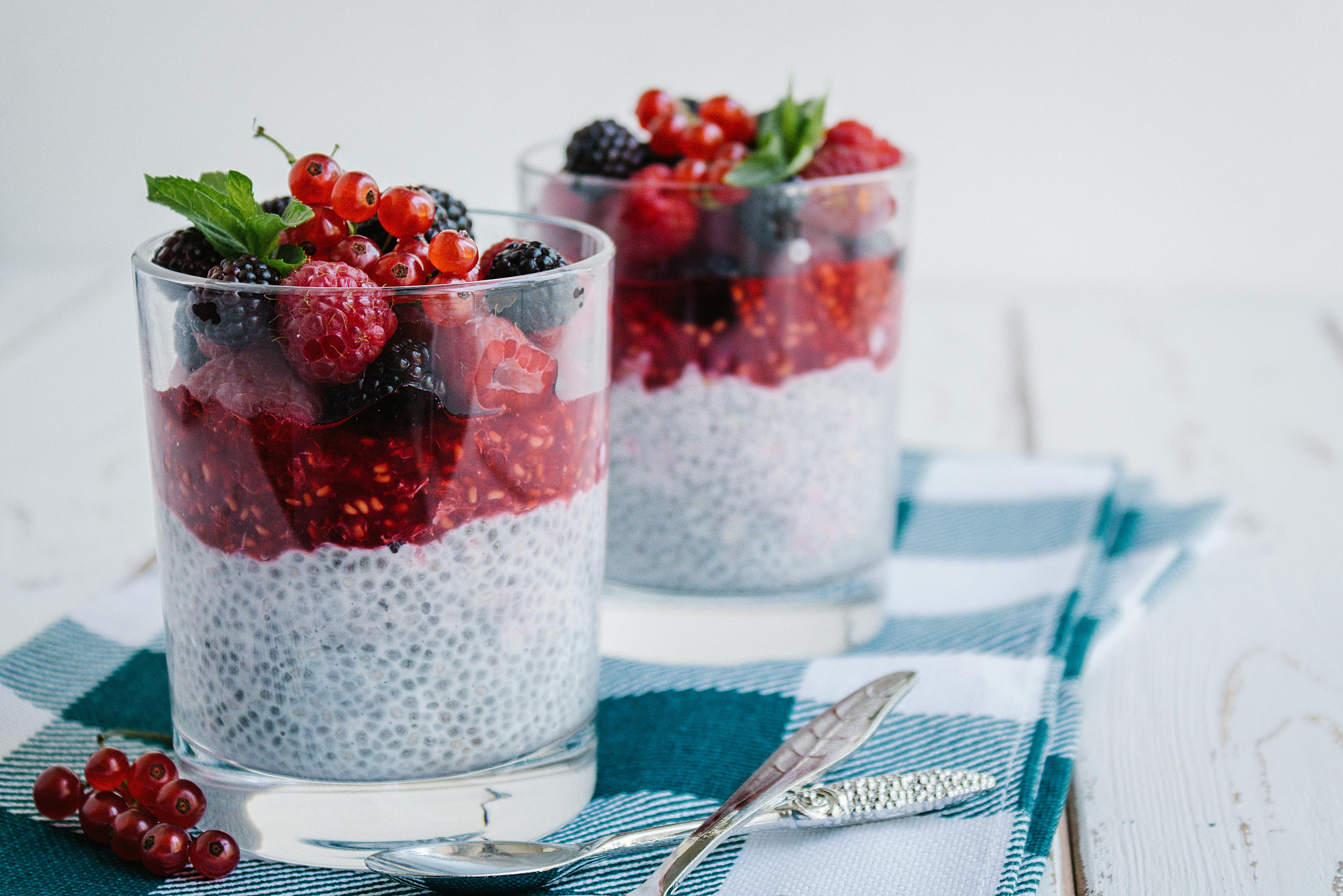
Combine chia seeds with milk or an unsweetened fortified plant beverage and refrigerate until the mixture thickens. Add fruit, nuts, or plain yogurt for additional nutrients and texture. Avoid turning the dish into a dessert by adding large amounts of sugar or sweetened syrups.
Overnight Oats
Stir one tablespoon of chia into oats, milk or fortified plant milk, plain yogurt, and fruit. Refrigerate overnight. The chia contributes fiber and healthy fats while the oats provide additional fiber and carbohydrates.
Smoothies
A tablespoon of chia can be blended into a smoothie containing fruit, vegetables, yogurt or another protein source, and water or milk. This is a practical option for people who find it difficult to consume enough fiber through whole meals.
Yogurt and Breakfast Bowls
Sprinkle chia over plain yogurt with fruit, nuts, seeds, or whole-grain cereal. This combination can provide protein, fiber, unsaturated fats, and micronutrients in a convenient meal.
Salads and Savory Meals
Chia can be sprinkled over salads or incorporated into homemade dressings, soups, grain bowls, and vegetable dishes. The seeds' mild taste makes them particularly easy to use without substantially changing the flavor profile of a meal.
Baking
Chia can be incorporated into homemade breads, muffins, pancakes, crackers, and energy bars. In some recipes, hydrated chia can also contribute binding and thickening properties.
13. Chia Seeds Safety, Side Effects, and Precautions
Important Safety Information
Chia seeds are generally well tolerated by healthy adults when consumed as part of a balanced diet. However, because they contain a large amount of fiber and can absorb substantial quantities of liquid, consuming large amounts suddenly may cause bloating, gas, abdominal discomfort, diarrhea, or constipation.
Increase Fiber Gradually
If your usual diet contains little fiber, begin with a small amount and increase gradually. Drinking adequate fluids and obtaining fiber from a variety of foods can make the transition more comfortable.
Swallowing Difficulties
Dry chia seeds can expand after absorbing liquid. People with swallowing disorders or a history of esophageal narrowing should exercise particular caution and discuss appropriate preparation with a healthcare professional. Soaking chia and incorporating it into moist foods may be preferable, but medical advice is important when swallowing is impaired.
Allergies
Although chia allergy appears uncommon, allergic reactions are possible. Anyone who develops symptoms such as hives, facial swelling, difficulty breathing, severe vomiting, or other signs of a serious allergic reaction after eating chia should seek urgent medical attention.
Medications and Medical Conditions
People taking prescription medicines or managing chronic medical conditions should consider their overall dietary changes rather than assuming that a natural food is automatically risk-free. Chia's high fiber content may affect gastrointestinal tolerance and may influence the absorption of some medications. Individuals using medicines that affect blood glucose, blood pressure, or blood clotting should discuss substantial dietary changes with an appropriate healthcare professional.
Avoid the "Miracle Food" Approach
Chia seeds are nutritious, but nutrition works through dietary patterns rather than isolated ingredients. They should complement vegetables, fruits, legumes, whole grains, healthy fats, and appropriate protein sources—not replace them.
Frequently Asked Questions About Chia Seeds
Are chia seeds healthy?
Yes. Chia seeds are a nutrient-dense food that provides substantial fiber, ALA omega-3 fatty acids, plant protein, calcium, magnesium, phosphorus, manganese, and antioxidant compounds. Their strongest nutritional advantage is the combination of high fiber content and unsaturated fats in a small serving. Their benefits are best understood as part of a varied dietary pattern rather than as a treatment for disease.
How much chia seeds should I eat per day?
For many healthy adults, approximately one to two tablespoons (15–30 grams) per day is a practical amount. There is no universal requirement to consume chia daily, and individual needs vary. People who are not accustomed to high-fiber foods should start with a smaller amount and increase gradually while maintaining adequate fluid intake.
Can chia seeds help with weight loss?
Chia seeds may support weight management because their fiber can increase fullness and contribute to a more satisfying meal. However, chia does not independently burn body fat or guarantee weight loss. Sustainable weight management depends on overall calorie intake, dietary quality, physical activity, sleep, and long-term behavioral habits.
Do chia seeds improve digestion?
They can contribute to digestive health because they are rich in dietary fiber. Fiber supports bowel regularity and provides fermentable material for the gut microbiome. However, suddenly consuming large amounts may cause bloating or constipation, especially when fluid intake is inadequate.
Should chia seeds be soaked before eating?
Soaking is not required for every culinary use, but it is a useful preparation method because it allows the seeds to absorb liquid before consumption. People with swallowing difficulties should be particularly cautious with dry chia because the seeds can expand after absorbing liquid.
Are chia seeds good for diabetes?
Chia can be included in a diabetes-friendly dietary pattern because its high fiber content may help moderate post-meal glucose responses. However, it does not cure or prevent diabetes by itself. People with diabetes should continue following their individualized nutrition, medication, monitoring, and exercise plan.
Are chia seeds a good source of omega-3?
Yes. Chia seeds are particularly rich in alpha-linolenic acid (ALA), a plant-based essential omega-3 fatty acid. However, ALA is not the same as EPA and DHA, and the body's conversion of ALA into these longer-chain fatty acids is limited.
Can chia seeds improve skin?
Chia provides nutrients that contribute to normal cellular function, including ALA, protein, minerals, and antioxidant compounds. These nutrients can support a healthy diet, but there is insufficient evidence that chia seeds alone remove wrinkles, cure acne, or reverse skin aging.
Can chia seeds strengthen bones?
Chia seeds contribute calcium, magnesium, phosphorus, manganese, and protein, all of which are relevant to normal bone health. However, healthy bones depend on a broader combination of nutrition, vitamin D status, physical activity, hormonal health, and other factors. Chia should not be considered a treatment for osteoporosis.
Can I eat chia seeds every day?
Most healthy adults can include chia seeds daily if they tolerate them well. A moderate serving such as one to two tablespoons is generally practical. Increase intake gradually if your diet is low in fiber and maintain adequate fluid intake.
Conclusion
Chia seeds earn their reputation as a nutrient-dense food primarily because they combine several valuable nutritional characteristics in a small serving. They provide substantial dietary fiber, plant-based ALA omega-3 fatty acids, moderate protein, calcium, magnesium, phosphorus, manganese, and naturally occurring plant compounds. This combination makes them a useful addition to a balanced diet, particularly for people looking for convenient ways to increase fiber and unsaturated fat intake.
The strongest practical case for chia is not that it is a miracle food. Rather, it is an inexpensive and versatile ingredient that can improve the nutritional profile of ordinary meals. Adding chia to oatmeal, yogurt, smoothies, salads, or homemade snacks can increase fiber and provide useful micronutrients without requiring a complicated dietary routine.
At the same time, the scientific evidence should be interpreted carefully. Chia may support digestive health, satiety, cardiovascular risk factors, and healthy metabolic function, but the evidence is not equally strong for every claimed benefit. Claims that chia seeds independently prevent diabetes, cure inflammation, dramatically accelerate weight loss, reverse aging, or prevent neurological disease go beyond what current evidence can establish.
The most effective approach is therefore to use chia as one component of a broader dietary pattern. Combine it with vegetables, fruits, legumes, whole grains, nuts, seeds, appropriate protein sources, and healthy fats. Pair good nutrition with regular physical activity, adequate sleep, hydration, stress management, and appropriate medical care when needed.
In practical terms, chia seeds are worth eating if you enjoy them and they fit your diet. Their nutritional benefits are real, but they become most meaningful when viewed as part of consistent, sustainable eating habits rather than as a shortcut to health.
References
- U.S. Department of Agriculture. FoodData Central .
- National Institutes of Health, Office of Dietary Supplements. Omega-3 Fatty Acids Fact Sheet for Health Professionals .
- Harvard T.H. Chan School of Public Health. The Nutrition Source: Fiber .
- Centers for Disease Control and Prevention. Diabetes .
- American Heart Association. Healthy Living and Cardiovascular Health .
- National Institute of Arthritis and Musculoskeletal and Skin Diseases. Osteoporosis .
- American College of Sports Medicine. Nutrition and Exercise Resources .
- National Center for Biotechnology Information. PubMed , for peer-reviewed biomedical literature.
Medical Disclaimer
This article is provided for general educational and informational purposes and is not a substitute for individualized medical advice, diagnosis, or treatment. Nutritional needs vary according to age, health status, medications, allergies, activity level, and other individual factors.
Do not use information in this article to diagnose or treat a medical condition or to discontinue prescribed medication. Individuals with swallowing difficulties, significant gastrointestinal problems, food allergies, diabetes, cardiovascular disease, or other medical conditions should discuss substantial dietary changes with an appropriately qualified healthcare professional.
For additional information about the limitations of health information published by VitalWell Hub, please review our Health Disclaimer.
Your use of this website is also governed by the VitalWell Hub Privacy Policy.


COMMENTS