
How many hours of sleep do adults need? Learn recommended sleep hours by age, why sleep matters, and practical tips for better sleep.
How Many Hours of Sleep Do Adults Need? A Complete Evidence-Based Guide

Featured Snippet: How Many Hours of Sleep Do Adults Need?
Most adults should aim for 7 to 9 hours of sleep per night. The CDC recommends at least 7 hours for adults aged 18–60, 7–9 hours for adults aged 61–64, and 7–8 hours for adults aged 65 and older. Individual sleep needs vary, but consistently getting less sleep than your body requires can impair attention, memory, reaction time, mood and decision-making.
The American Heart Association's Life's Essential 8 also recommends that adults aim for an average of 7–9 hours of sleep each night.
Key Takeaways
- 7–9 hours is a useful general target for most adults.
- Adults aged 18–60 should get at least 7 hours of sleep regularly.
- Adults aged 61–64 generally need 7–9 hours.
- Adults aged 65 and older generally need 7–8 hours according to CDC guidance.
- Sleep health involves more than duration; quality, timing and regularity also matter.
- Regular sleep restriction can affect concentration, memory, reaction time, mood and decision-making.
- Sleeping 8 hours but waking exhausted may indicate poor-quality sleep or an underlying sleep problem.
- Loud snoring, gasping, witnessed breathing pauses and excessive daytime sleepiness deserve medical attention.
- Sleeping longer occasionally is not necessarily a problem; consistently needing unusually long sleep may warrant evaluation.
How Many Hours of Sleep Do Adults Need?
If you are asking, “how many hours of sleep do adults need?”, the most useful general answer is 7 to 9 hours per night. That range is broad enough to reflect normal differences between individuals while still providing a practical target for most adults. However, sleep recommendations are not a competition to reach an exact number every night. Some adults feel well rested after around seven hours, while others function better closer to eight or nine hours. The more important question is whether your regular sleep schedule gives you enough restorative sleep to remain alert, emotionally balanced and physically functional during the day.
The Centers for Disease Control and Prevention (CDC) gives age-specific recommendations rather than treating all adults as one group. Adults aged 18–60 should get at least seven hours per night, adults aged 61–64 should generally get seven to nine hours, and adults aged 65 and older should generally get seven to eight hours. These are population-level recommendations, not rigid requirements that apply identically to every person.
The distinction matters because the question “how much sleep should an adult get?” cannot be answered by saying that every adult needs exactly eight hours. Eight hours is an excellent target for many people, but the evidence supports a range rather than a single magic number. The American Heart Association similarly recommends an average of 7–9 hours for adults and emphasizes that healthy sleep involves appropriate duration as well as regularity and quality.
Sleep also changes in character as people age. Older adults may experience more nighttime awakenings, earlier sleep and wake times, or changes in the amount of deep and REM sleep they obtain. That does not mean older people suddenly need only five or six hours. The National Institute on Aging explains that older adults generally still need around seven to nine hours, although age-related changes and health conditions can make obtaining that amount more difficult.
How Much Sleep Do Adults Need by Age?
Age is one of the most important factors used when establishing sleep recommendations. The amount of sleep considered appropriate for a healthy infant is very different from the amount generally recommended for an adult. Even within adulthood, recommendations can vary slightly as people move from early adulthood into later life.
According to the CDC's current sleep guidance, the following ranges provide a useful framework for adults. The key phrase to notice is “at least” for adults aged 18–60. It does not mean that seven hours is automatically the ideal amount for everyone in that age group; rather, regularly sleeping below seven hours is generally considered insufficient for most adults.
| Adult age group | General sleep recommendation | Practical interpretation |
|---|---|---|
| 18–60 years | 7 or more hours | Many adults function best somewhere within a 7–9-hour range. |
| 61–64 years | 7–9 hours | Seven to nine hours remains an appropriate general target. |
| 65+ years | 7–8 hours | Older adults still require substantial sleep even though sleep patterns may change. |
These recommendations should not be interpreted as a prescription to force yourself to remain in bed for a predetermined number of hours. If you regularly obtain seven or eight hours but wake unrefreshed, the problem may be sleep quality rather than duration. Conversely, if you naturally require closer to nine hours and feel alert and healthy during the day, there is no reason to assume that nine hours is automatically excessive.
The National Heart, Lung, and Blood Institute provides additional information about sleep needs across the lifespan and explains that sleep requirements change with age. Its guidance also emphasizes the concept of sleep debt: when you repeatedly lose sleep, the lost sleep can accumulate rather than disappearing simply because you eventually have one longer night.
Why Do Adults Need Sleep?
Sleep is sometimes described as “rest,” but that description is incomplete. During sleep, the brain and body remain biologically active. Sleep participates in memory consolidation, learning, emotional regulation, immune function, metabolic regulation, cardiovascular health and physical recovery. This is why inadequate sleep can affect many areas of health simultaneously rather than producing tiredness alone.
1. Sleep supports attention and cognitive performance
Adequate sleep helps the brain maintain attention, learning, memory, reasoning, problem-solving and decision-making. When sleep is restricted, people may become slower to respond, make more mistakes or struggle to sustain attention during monotonous activities. The National Heart, Lung, and Blood Institute notes that sleep deficiency can interfere with learning, focusing, reacting, decision-making, memory and emotional regulation.
2. Sleep influences mood and emotional regulation
A person who has slept poorly may notice that ordinary frustrations feel more difficult to manage. Sleep loss can affect emotional regulation and may make irritability, stress and low mood more noticeable. Chronic sleep problems are also associated with mental health conditions, although those relationships are complex and can operate in both directions: poor sleep can contribute to psychological distress, while mental health problems can make sleep more difficult.
3. Sleep supports cardiovascular health
Sleep has become an explicit part of cardiovascular health guidance. The American Heart Association includes healthy sleep in its Life's Essential 8 framework and recommends an average of seven to nine hours for adults. Healthy sleep supports cardiovascular health, while chronically inadequate or poor-quality sleep is associated with increased cardiovascular risk factors.
4. Sleep affects metabolic regulation
Sleep and metabolism are closely connected. Insufficient sleep can influence appetite-regulating hormones, glucose regulation and insulin sensitivity. Over time, inadequate sleep has been associated with obesity and type 2 diabetes. This does not mean that sleep deprivation alone causes these conditions; diet, physical activity, genetics, medications, socioeconomic factors and many other determinants also influence metabolic health.
5. Sleep supports immune function and physical recovery
During sleep, the body carries out processes involved in tissue repair and immune regulation. The NHLBI notes that ongoing sleep deficiency can affect the body's ability to respond to infections and is associated with a range of chronic health problems. Adequate sleep therefore belongs alongside nutrition, physical activity and other foundational health behaviors rather than being treated as optional downtime.

What Happens When You Sleep Less Than 7 Hours?
Sleeping less than seven hours once in a while is not the same as maintaining a seven-hours-or-less schedule every night. A late night caused by travel, work, caregiving, illness or an unusual event is generally a temporary disruption. The larger concern is chronic sleep restriction, in which insufficient sleep becomes the normal pattern rather than the exception.
Regularly sleeping less than your body needs can affect how you think and perform during the day. You may experience reduced concentration, slower reaction time, poorer memory, increased irritability and difficulty making decisions. The NHLBI explains that sleep deficiency can also interfere with work, school, driving and social functioning. These effects are particularly important when sleepiness occurs during safety-sensitive activities.
Chronic insufficient sleep has also been associated with conditions including high blood pressure, cardiovascular disease, obesity, diabetes, depression and stroke. The evidence does not mean that a short night directly causes one of these conditions in an individual person. Rather, inadequate sleep is one potentially important contributor within a complicated network of biological, behavioral and environmental risk factors.
Is 5 or 6 Hours of Sleep Enough for an Adult?
For most adults, five or six hours is not enough on a regular basis. Some people report that they can function on very little sleep, but feeling accustomed to a short sleep schedule is not necessarily proof that the schedule is harmless. People can become accustomed to the sensation of chronic sleep restriction while still experiencing measurable impairment in attention, reaction time and other functions.
The American Academy of Sleep Medicine and Sleep Research Society recommend that adults obtain seven or more hours of sleep per night on a regular basis to promote optimal health. Their consensus statement also notes that individual sleep requirements vary because of genetic, behavioral, medical and environmental factors.
This is why the question “Can I function normally on five hours of sleep?” should not be answered solely by asking whether you can get through the day. A person may be able to attend work, communicate with others and complete routine tasks while still operating below their optimal level of alertness. If five or six hours has become your normal schedule, it is worth asking whether your body is actually adapting or simply accumulating sleep debt.
Can Adults Sleep Too Much?
More sleep is not automatically better. Research has found associations between very long sleep durations and several adverse health outcomes, but the relationship is more complicated than the simple statement that “too much sleep causes disease.” Long sleep can sometimes be a marker of another problem, including poor-quality sleep, depression, chronic illness, medication effects or an untreated sleep disorder.
For example, someone who spends ten or eleven hours in bed may not actually be obtaining ten or eleven hours of restorative sleep. They may be waking repeatedly because of breathing problems, pain, insomnia or another condition. Alternatively, excessive sleepiness may occur because of a medical or psychological problem that needs attention.
The goal is therefore not to maximize the number of hours you spend in bed. The goal is to obtain enough high-quality sleep to support normal daytime functioning. If you consistently need much more sleep than usual and still wake tired, consider discussing the pattern with a healthcare professional.
Do Men and Women Need Different Amounts of Sleep?
There is no standard adult sleep recommendation stating that men should routinely sleep a specific number of hours that differs from women solely because of sex. In practical terms, both adult men and adult women generally fall within the same broad recommendation of approximately seven to nine hours per night.
However, sleep experiences can differ considerably between individuals. Pregnancy, menstrual-cycle changes, perimenopause, menopause, caregiving responsibilities, stress, work schedules, medications, pain and sleep disorders can all alter sleep duration or sleep quality. These factors can make adequate sleep more difficult without necessarily changing the underlying recommended range.
Therefore, questions such as “how many hours of sleep do men need?” and “how many hours of sleep does a man need?” generally have the same practical answer: most adult men should aim for roughly seven to nine hours, while paying attention to their individual sleep quality and daytime functioning.
Is Sleep Quality as Important as Sleep Duration?
Yes. Sleep duration is only one component of healthy sleep. You could spend eight hours in bed and still obtain poor-quality sleep if you repeatedly awaken, have untreated sleep apnea, sleep at a time that conflicts with your circadian rhythm, or experience another disturbance that fragments your sleep.
Consider two adults who both spend eight hours in bed. The first person sleeps relatively continuously and wakes feeling restored. The second person snores loudly, wakes repeatedly, experiences breathing interruptions and feels exhausted in the morning. Their total time in bed is identical, but the quality and restorative value of their sleep may be very different.
The American Heart Association emphasizes that healthy sleep involves more than duration and includes appropriate timing, regularity and restorative quality. This is an important reason not to judge your sleep health solely by what a smartwatch or phone reports as a numerical “sleep score.”
If you consistently sleep for a seemingly adequate number of hours but remain excessively sleepy or unrefreshed, consider whether the problem could involve sleep quality rather than sleep quantity.
Signs You May Not Be Getting Enough Sleep
Daytime functioning often provides more useful information than a sleep tracker alone. A person who repeatedly feels sleepy, struggles to concentrate or needs stimulants simply to remain awake may be experiencing insufficient or poor-quality sleep even if the clock says they spent a reasonable amount of time in bed.
- Persistent daytime sleepiness or exhaustion
- Difficulty concentrating on work, study or conversations
- Forgetfulness or difficulty retaining information
- Slower reaction time
- More frequent mistakes
- Increased irritability or emotional reactivity
- Heavy reliance on caffeine to remain alert
- Difficulty waking up despite having enough time in bed
- Falling asleep unintentionally while watching television or sitting quietly
- Feeling sleepy while driving
- Sleeping substantially longer whenever you have the opportunity
- Waking unrefreshed despite apparently adequate sleep duration
The NHLBI specifically describes excessive daytime sleepiness as an important sign of sleep deficiency. If you repeatedly feel that you could fall asleep while reading, watching television, sitting quietly or performing other low-stimulation activities, your sleep pattern deserves closer attention.
What Determines How Much Sleep You Need?
The recommended sleep range provides a starting point, but individual sleep need is influenced by several biological and environmental factors. Two adults of the same age can have different sleep requirements and can respond differently to the same amount of sleep restriction.
Age
Sleep needs change throughout the lifespan. Adults generally require less sleep than children and adolescents, but older age does not eliminate the need for adequate sleep. Aging can instead change sleep timing, sleep architecture and the ability to maintain uninterrupted sleep.
Genetics and individual biology
Genetics can influence circadian timing, sleep duration and how strongly an individual responds to sleep loss. This helps explain why one person may naturally wake after seven hours while another feels substantially better after eight or nine. Genuine biological differences exist, although people who routinely sleep only four or five hours should not automatically assume they are “naturally short sleepers.”
Health conditions
Pain, respiratory disease, hormonal changes, mental health conditions and other medical problems can interfere with falling asleep or staying asleep. Conditions such as obstructive sleep apnea can be particularly important because they may fragment sleep even when a person spends adequate time in bed.
Work schedules and shift work
Night shifts, rotating shifts, very early work starts and long working hours can make it difficult to align sleep with the body's circadian rhythm. Someone may technically have enough time available for sleep but still struggle to obtain consolidated, restorative sleep because the schedule conflicts with their biological clock.
Stress
Psychological stress can make it harder to transition from wakefulness to sleep. Racing thoughts, anxiety about the next day and persistent emotional strain can all increase nighttime arousal. Addressing daytime stress is therefore often part of improving nighttime sleep.
Caffeine and alcohol
Caffeine can remain active for hours and may delay sleep or reduce sleep quality when consumed too late in the day. Alcohol may initially cause drowsiness but can disrupt sleep later in the night. If you regularly wake tired, examining the timing of caffeine and alcohol consumption may be useful.
Pregnancy and hormonal changes
Pregnancy, perimenopause and menopause can alter sleep through hormonal changes, nighttime awakenings, temperature changes and other symptoms. The general adult sleep recommendation remains useful, but individual sleep problems may require more specific assessment.
How to Get Enough Sleep as an Adult
If you regularly fall short of your sleep needs, the most effective approach is usually to build a routine that makes adequate sleep realistic. Trying to “force” yourself to fall asleep rarely solves the underlying problem. Instead, focus on consistent timing, an appropriate sleep environment and daytime behaviors that support your circadian rhythm.
1. Keep a consistent sleep and wake schedule
Aim to go to bed and wake up at approximately the same time each day, including weekends when practical. A consistent wake time is particularly useful because it provides a stable anchor for the body's circadian rhythm. Large differences between weekday and weekend schedules can make Monday mornings feel like a small form of jet lag.
2. Give yourself enough time to sleep
You cannot consistently obtain eight hours of sleep if your schedule allows only six and a half hours between bedtime and the alarm. Look at your actual routine and work backward from the time you need to wake. If you usually need around eight hours, create a sufficiently long sleep window rather than hoping that your body will compensate later.
3. Create a predictable wind-down routine
A short period of quiet activity before bed can help separate daytime demands from nighttime rest. Reading a physical book, taking a warm shower, practicing gentle breathing or preparing for the next morning can be useful alternatives to intense work or emotionally stimulating content immediately before bed.
4. Make your bedroom comfortable, dark and quiet
Your sleep environment should support rather than compete with sleep. Reduce unnecessary noise, control excessive light and keep the room at a comfortable temperature. A supportive mattress, comfortable pillow and breathable bedding can also make it easier to remain asleep throughout the night.
5. Be strategic about caffeine
If you have difficulty falling asleep, examine how much caffeine you consume and when you consume it. Coffee is an obvious source, but tea, energy drinks, cola, chocolate and some supplements can also contain caffeine. People vary in sensitivity, so a cutoff that works for one person may be too late for another.
6. Limit alcohol close to bedtime
Alcohol may make you feel sleepy initially, but sedation is not the same thing as restorative sleep. Alcohol can contribute to fragmented sleep and may worsen snoring or sleep apnea in susceptible individuals. If sleep quality is a concern, reducing alcohol close to bedtime is generally a sensible step.
7. Get regular physical activity
Regular physical activity supports overall health and can contribute to better sleep. Walking, cycling, strength training, swimming and other forms of exercise can help regulate mood, stress and metabolic health. If vigorous exercise immediately before bed makes you feel unusually alert, move it earlier in the day.
8. Get daylight during the day
Light is one of the strongest environmental signals influencing the circadian rhythm. Spending time outdoors during the day, particularly earlier in the day, can provide the bright-light exposure that helps anchor the sleep-wake cycle. This is especially relevant for people who spend most of their day indoors.
9. Reduce stimulating screen use before bed
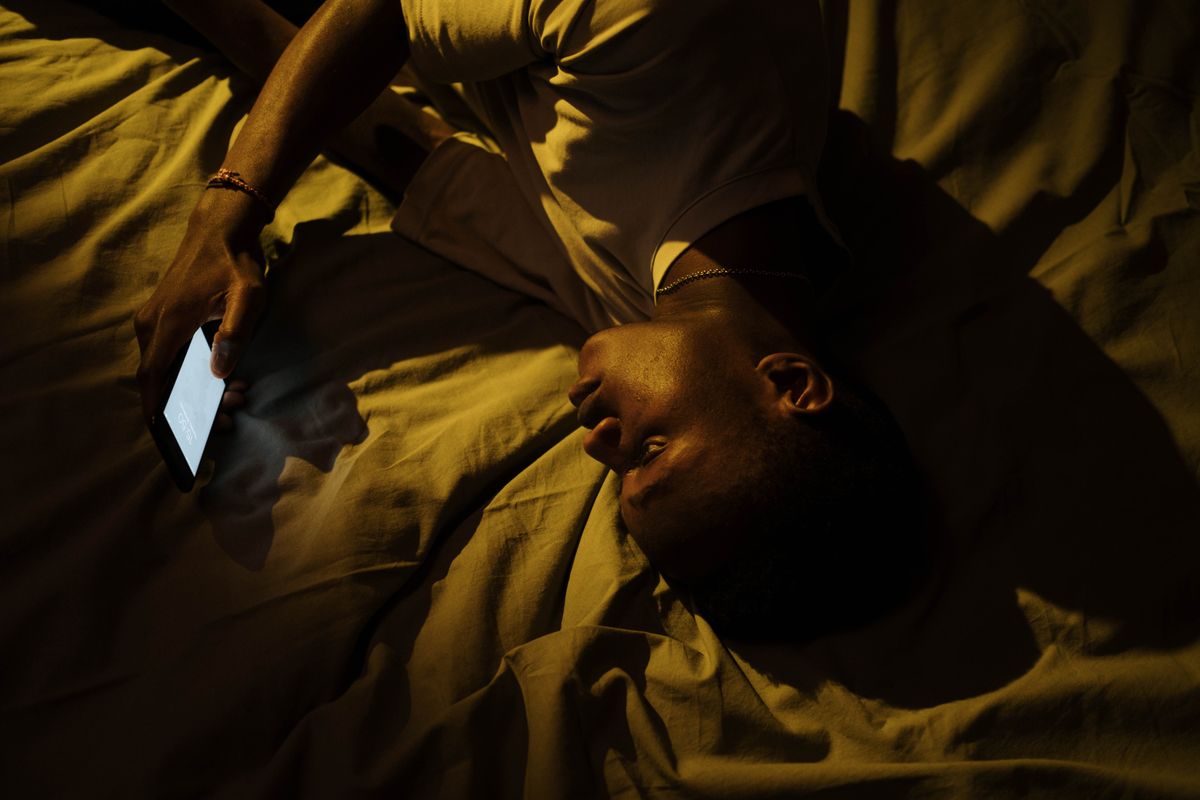
Phones and other devices can interfere with sleep in more than one way. Their light can affect circadian signaling, while the content itself can keep the brain engaged. Work messages, social media, emotionally charged news and endless scrolling can all make the transition into sleep more difficult. Consider reducing screen exposure during the final part of your evening routine.
10. Do not ignore persistent sleepiness
If you regularly obtain seven to nine hours but remain exhausted, do not automatically assume that you simply need more sleep. Persistent sleepiness can be associated with sleep apnea, insomnia, medication effects, circadian problems and other conditions. In that situation, the appropriate next step may be medical evaluation rather than simply extending your bedtime.
For a more detailed practical guide, read VitalWell Hub's How to Improve Your Sleep Cycle: 12 Sleep Hygiene Tips . That related article goes deeper into consistent sleep schedules, bedtime routines, screen exposure, bedroom conditions, caffeine, exercise, daylight exposure and other sleep-hygiene strategies.
When Should You Talk to a Healthcare Professional?
Occasional poor sleep is common, but persistent sleep problems deserve attention. Consider speaking with a healthcare professional if you regularly have difficulty falling asleep, repeatedly wake during the night, wake much earlier than intended, or remain excessively sleepy during the day despite allowing enough time for sleep.
Particular warning signs include loud habitual snoring, choking or gasping during sleep, witnessed pauses in breathing, morning headaches, persistent daytime sleepiness and unexplained changes in your normal sleep pattern. These symptoms can occur with sleep disorders such as obstructive sleep apnea and should not simply be dismissed as normal tiredness.
You should also seek professional advice if you consistently sleep for unusually long periods and still feel exhausted. Excessive sleepiness can sometimes reflect an underlying medical, psychological, medication-related or sleep-related problem.
If sleepiness becomes severe enough to make driving or operating machinery unsafe, treat that as an immediate safety issue. Stop the activity and arrange a safe alternative rather than attempting to compensate with caffeine or willpower.
Frequently Asked Questions About Adult Sleep
How many hours of sleep do adults need?
Most adults should aim for approximately 7 to 9 hours per night. The CDC recommends at least seven hours for adults aged 18–60, seven to nine hours for adults aged 61–64, and seven to eight hours for adults aged 65 and older.
How much sleep should an adult get?
A practical general target is seven to nine hours per night. Individual sleep requirements vary, so daytime alertness, sleep quality, regularity and overall health should also be considered.
How many hours of sleep do adults require?
Most adults require at least seven hours regularly, with many functioning best within a seven-to-nine-hour range. Regularly sleeping below your individual requirement can lead to sleep deficiency.
How many hours should an adult sleep?
For most adults, seven to nine hours per night is a reasonable target. Adults aged 18–60 should generally obtain at least seven hours on a regular basis.
How many hours of sleep do men need?
Adult men generally need about the same amount of sleep as adult women. A reasonable target is approximately seven to nine hours per night, although individual requirements vary.
How many hours of sleep does a man need?
Most adult men should aim for roughly seven to nine hours of sleep per night. Sleep quality, regularity and daytime alertness are also important indicators of whether the schedule is working.
Can I function normally on 5 hours of sleep?
Most adults should not routinely rely on only five hours. Chronic sleep restriction can impair attention, reaction time, memory, decision-making and mood, even if a person feels accustomed to the schedule.
Is 6 hours of sleep enough for an adult?
Six hours is below the recommended amount for most adults. While individual sleep needs vary, adults should generally obtain at least seven hours and many function best with seven to nine.
Is 7 hours of sleep enough for an adult?
Seven hours can be enough for some adults and meets the minimum CDC recommendation for adults aged 18–60. However, some people need closer to eight or nine hours to feel fully rested and alert.
Is 8 hours of sleep enough for an adult?
Yes. Eight hours falls comfortably within the commonly recommended seven-to-nine-hour range. If you wake reasonably refreshed and remain alert throughout the day, eight hours may be an appropriate amount for you.
Is 9 hours of sleep too much for an adult?
Not necessarily. Nine hours is within the commonly recommended adult range. If you consistently need substantially more sleep and still feel exhausted, however, discuss the pattern with a healthcare professional.
Do older adults need less sleep?
Older adults do not automatically become healthy on only five or six hours of sleep. Current guidance indicates that older adults still generally need substantial sleep, although their sleep timing and sleep architecture can change with age.
Can I catch up on sleep on weekends?
Sleeping longer after several short nights may reduce some immediate sleepiness, but it should not be treated as a complete substitute for regularly obtaining enough sleep. A consistent sleep schedule is generally preferable to repeatedly accumulating sleep debt and attempting to recover later.
What if I sleep 8 hours but still feel tired?
Persistent tiredness despite eight hours in bed may indicate poor sleep quality, an irregular schedule, medication effects, insufficient restorative sleep or a sleep disorder such as obstructive sleep apnea. If it continues, discuss the problem with a healthcare professional.

References and Further Reading
- Centers for Disease Control and Prevention. About Sleep. Current CDC guidance provides age-specific recommendations, including at least seven hours for adults aged 18–60.
- National Heart, Lung, and Blood Institute, National Institutes of Health. Sleep Deprivation and Deficiency: How Sleep Affects Your Health. This resource describes the effects of sleep deficiency on cognition, mood, physical health and daytime functioning.
- National Heart, Lung, and Blood Institute, National Institutes of Health. How Much Sleep Is Enough?. This resource explains recommended sleep amounts across the lifespan and the concept of sleep debt.
- American Heart Association. Life's Essential 8: Healthy Sleep. The AHA recommends an average of seven to nine hours of sleep for adults.
- American Academy of Sleep Medicine and Sleep Research Society. Recommended Amount of Sleep for a Healthy Adult. The joint consensus recommends seven or more hours of sleep per night regularly for adults.
- National Institute on Aging. Sleep. Information on sleep needs and common sleep concerns in older adults.
Evidence note: Sleep recommendations are population-level guidance rather than rigid rules for every individual. Current evidence supports adequate duration together with good sleep quality, appropriate timing, regularity and the absence of untreated sleep disturbances.
Conclusion
So, how many hours of sleep do adults need? For most adults, the most practical answer is 7 to 9 hours of sleep each night. Adults aged 18–60 should generally obtain at least seven hours, while CDC recommendations specify seven to nine hours for adults aged 61–64 and seven to eight hours for those aged 65 and older.
The important point is that sleep health cannot be reduced to one number. Seven hours may be sufficient for one person while another may need eight or nine to feel fully rested. The quality and continuity of sleep, the timing of your sleep, the regularity of your schedule and your daytime functioning all help determine whether you are actually getting the sleep your body needs.
If you regularly sleep less than seven hours, start by looking at whether your schedule simply does not provide enough time for sleep. If you already allow sufficient time but remain exhausted, investigate sleep quality and consider whether symptoms such as loud snoring, gasping, breathing pauses or persistent daytime sleepiness warrant professional evaluation.
Sleep should not be viewed as time taken away from productivity. It is one of the biological foundations that makes productive work, learning, physical recovery, emotional regulation and safe decision-making possible. Protecting adequate sleep is therefore a practical part of protecting long-term health.
Medical Disclaimer
This article is provided for general health education and informational purposes only. It is not intended to diagnose, treat, cure or prevent any disease or medical condition and does not replace individualized advice from a qualified healthcare professional.
Sleep needs vary between individuals. If you have persistent insomnia, excessive daytime sleepiness, loud snoring, breathing pauses during sleep, repeated nighttime awakenings or another ongoing sleep concern, seek appropriate medical evaluation.
If you are dangerously sleepy while driving or operating machinery, stop the activity and move to a safe alternative. Do not attempt to overcome severe sleepiness through caffeine or willpower.
VitalWell Hub aims to provide evidence-based health information using reputable medical and public health sources. Medical guidance can change as new evidence becomes available, so readers should consult a qualified healthcare professional for personal medical decisions.


COMMENTS