
How soon after giving birth can I start exercising? Learn when to safely resume walking, strength training, running, and other workouts postpartum.
How Soon After Giving Birth Can I Start Exercising? A Safe Postpartum Guide

Returning to exercise after childbirth can help rebuild strength, improve cardiovascular fitness and support emotional well-being. However, knowing how soon after giving birth you can start exercising requires more than counting the days or weeks since delivery. The appropriate time depends on your birth experience, healing, symptoms and the type of activity you want to resume.
After an uncomplicated vaginal birth, gentle physical activity can often begin within a few days, or as soon as you feel ready. The guidance is different for strenuous exercise, including running, jumping, heavy weightlifting and intense abdominal workouts. After a cesarean birth or a complicated delivery, you may need additional recovery time and individualized medical advice.
This guide explains how to restart movement safely, which exercises may be appropriate during early recovery, how to progress toward more demanding workouts and which symptoms should not be ignored.
How Soon After Giving Birth Can You Start Exercising?
When Is It Safe to Exercise After Childbirth?
After an uncomplicated vaginal birth, gentle exercise such as short walks may begin within a few days, or when you feel ready. Increase activity gradually according to your recovery. After a cesarean birth or postpartum complications, seek individualized advice before progressing your routine, particularly to strenuous exercise.
The American College of Obstetricians and Gynecologists (ACOG) states that women who have had a healthy pregnancy and normal vaginal delivery can generally resume exercise within a few days after birth, or as soon as they feel ready. Women who have had a cesarean delivery or complications should discuss the timing with their obstetric clinician.
It is important to distinguish ordinary movement from a structured workout. Walking around the house, performing comfortable mobility exercises and gradually returning to daily activities place different demands on the body from sprinting, jumping or lifting heavy weights.
Practical principle: Begin with activity that feels manageable, monitor your symptoms during and after exercise, and progress only when your recovery allows. You do not need to rush back to your pre-pregnancy routine.
Understanding the Postpartum Exercise Timeline
Postpartum recovery is individual. The following stages provide a general framework rather than a fixed schedule or medical clearance for particular exercises.
The World Health Organization (WHO) recommends that postpartum women without contraindications work toward regular physical activity, ultimately aiming for at least 150 minutes of moderate-intensity aerobic activity throughout the week. Women who are not yet active should start with small amounts and increase frequency, duration and intensity progressively.
That weekly target is a longer-term goal, not a requirement for the first days or weeks after childbirth. Your recovery, clinical advice and tolerance for activity should guide your progress.
When Can You Exercise After a Vaginal Birth?
After an uncomplicated vaginal delivery, gentle activity may begin relatively early. The aim is to restore comfortable movement and gradually rebuild physical capacity without aggravating healing tissues.
During the first few days
Depending on how you feel, you may begin with brief walks around your home, comfortable changes of position and gentle mobility. Start with short periods rather than trying to achieve a particular step count, distance or calorie target.
Rest when needed. If standing or walking causes significant pain, dizziness, unusual breathlessness or a noticeable increase in bleeding, stop and seek appropriate medical advice.
During the following weeks
If your recovery is progressing well, gradually increase the duration of comfortable walks. You may also be able to introduce suitable low-impact activities and gentle strengthening as your symptoms and clinical circumstances allow.
Perineal stitches, an episiotomy or a more significant tear can affect comfort and recovery. Persistent perineal pain, difficulty controlling urine or stool, or a sensation of heaviness in the pelvis warrants assessment rather than an attempt to exercise through the symptoms.
Women who experienced heavy blood loss, infection, high blood pressure complications or other medical problems may need a modified plan. Follow the advice of your maternity care team if your delivery or recovery was complicated.
When Can You Exercise After a Cesarean Birth?
A cesarean birth involves abdominal surgery. The skin incision is only one part of the healing process; deeper tissues also need time to recover. Pain, fatigue, bleeding and the circumstances surrounding the surgery can influence how quickly you regain mobility.
Gentle walking is often encouraged during recovery when medically appropriate, but walking should not be confused with permission to perform strenuous exercise. Heavy lifting, running, jumping and demanding abdominal workouts can place substantially greater demands on the recovering body.
Follow your surgical team's instructions about lifting, driving, wound care and exercise. The appropriate time to progress depends on your healing, symptoms and any complications. Your clinician can advise when to increase activity and whether further assessment is needed.
After a cesarean birth: Seek medical advice if your incision becomes increasingly red, swollen or painful, begins draining fluid or pus, or opens. Fever or worsening abdominal pain also needs prompt assessment.
Read the ACOG guide to cesarean birth for additional information about surgical recovery.
Can You Start Working Out at Three or Four Weeks Postpartum?
Three or four weeks after childbirth, some women may be ready to do more than they could in the first few days. Others may still be recovering from pain, fatigue, perineal injury or surgery. The number of weeks since delivery cannot determine readiness on its own.
At three weeks postpartum
If you had an uncomplicated vaginal delivery and are recovering well, you may be able to continue comfortable walking and introduce other gentle activities appropriate to your symptoms. Avoid treating this stage as automatic clearance for running, jumping, heavy resistance training or intense abdominal exercise.
At four weeks postpartum
You may be able to increase activity if your recovery supports it. Start with manageable changes, such as slightly longer walks or carefully selected low-impact exercises. Monitor how you feel during the session and over the following hours.
If you had a cesarean birth, significant tearing, heavy bleeding, infection, hypertensive complications or another medical problem, obtain individualized guidance before progressing your routine.
Remember: Three, four and six weeks are not universal clearance dates. The right progression depends on the activity, your recovery and any medical restrictions.
How to Return to Exercise Safely
1. Start below your previous fitness level
Choose an activity that feels manageable now, not one based on what you could do before pregnancy. A brief, easy walk may be a sensible starting point. There is no need to reach a specific duration during the early stages of recovery.
2. Increase activity gradually
Change one aspect of your routine at a time. For example, increase walking duration before adding substantial speed or hills. Once your body consistently tolerates the new level without concerning symptoms, consider another small progression.
3. Monitor symptoms during and after exercise
Pay attention to pain, pelvic heaviness, urinary leakage, bowel-control problems and changes in vaginal bleeding. An activity that feels manageable while you are doing it may still be too demanding if symptoms worsen later.
4. Allow for fatigue and recovery
Sleep disruption, feeding demands and caring for a newborn can make exercise feel harder than it did before pregnancy. Short sessions and rest days can help you maintain consistency without unnecessarily increasing your physical load.
5. Return to strengthening progressively
Start with controlled movements and light resistance when appropriate. Prioritize technique, comfortable breathing and functional strength rather than lifting your previous maximum weights. Increase resistance and training volume as your capacity improves.
6. Seek help when progress is difficult
If pain, pelvic pressure, leakage or abdominal symptoms persist, speak with a qualified healthcare professional. A pelvic-health physiotherapist may help assess your movement, pelvic-floor function and abdominal strength and develop an individualized rehabilitation plan.
Suitable Early Postpartum Exercises
Early activity should support mobility and daily function. The appropriate options depend on your delivery, recovery and any advice or restrictions from your healthcare team.
- Short walks: Begin with comfortable distances and gradually extend them as tolerated.
- Gentle mobility: Comfortable movements that help you change positions and maintain everyday mobility.
- Relaxed breathing: Gentle breathing practice can help you reconnect with your breathing pattern and coordinate movement without unnecessary straining.
- Pelvic-floor exercises: These may be helpful when appropriate and performed correctly. Women who have pain or difficulty relaxing the pelvic floor may need assessment first.
- Functional movement: Practice comfortable daily movements, such as getting up from a chair, without rushing or straining.
- Low-impact aerobic activity: Consider this as recovery progresses and you can tolerate the activity without concerning symptoms.
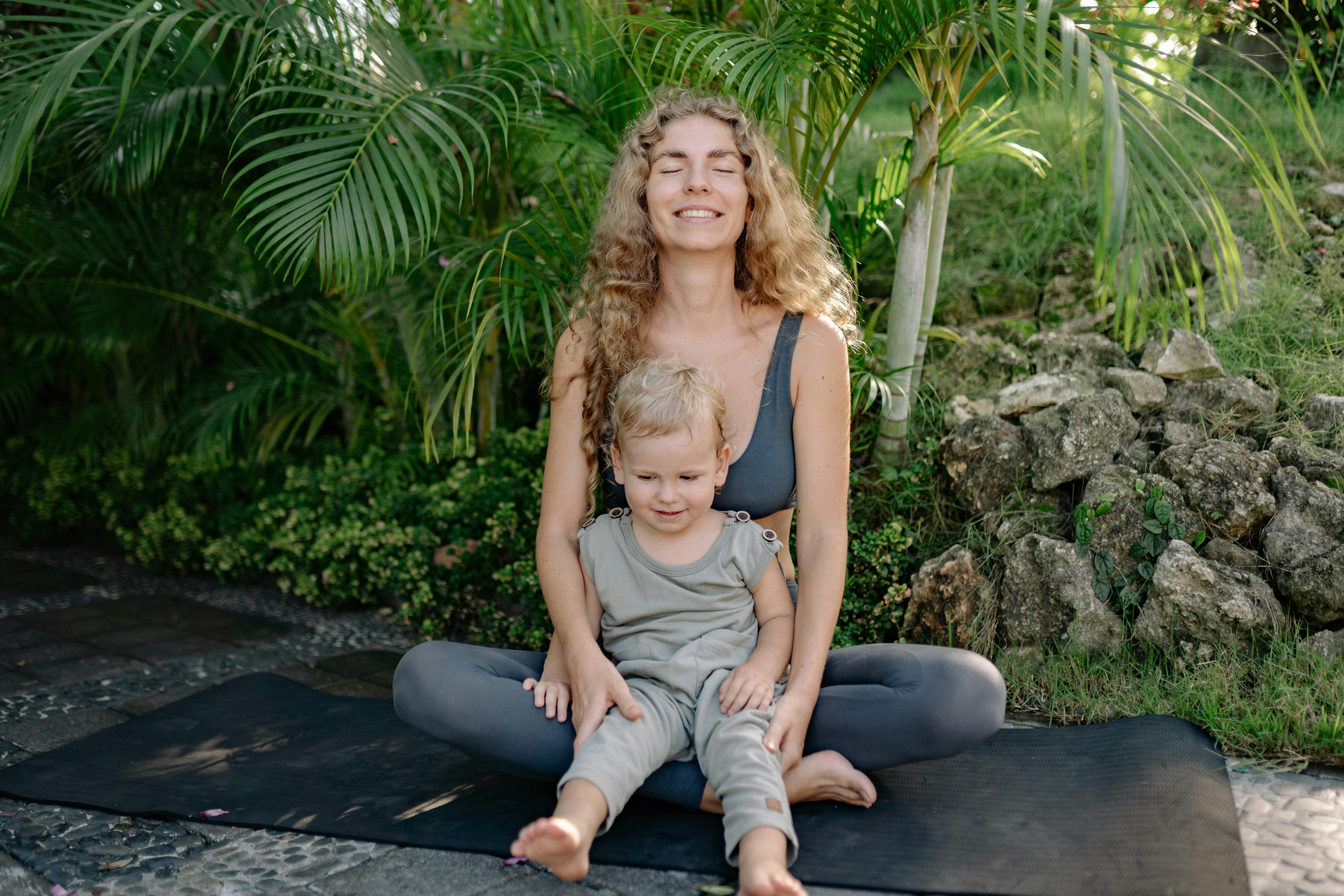
Do not assume that every exercise described as gentle is suitable for everyone immediately after delivery. Modify or avoid movements that cause pain, pulling around a surgical incision, pelvic pressure or other symptoms, and follow any specific restrictions given by your healthcare professional.
When Can You Resume Strength Training, Running and High-Impact Exercise?
Strength training
Strength training can help rebuild the capacity needed for everyday activities, including lifting your baby, carrying supplies and getting up from the floor. However, your return should be progressive.
When appropriate for your recovery, begin with controlled movements and light resistance. Pay attention to breathing, technique and your ability to control your trunk. Stop or modify an exercise if it causes pain, pelvic heaviness, urinary or fecal leakage, or pronounced abdominal bulging.
Running and jumping
Running, skipping, jumping and high-intensity interval training impose greater impact and loading demands than ordinary walking. Being able to walk comfortably is a useful milestone, but it does not necessarily mean that your pelvic floor and abdominal wall are ready for repeated high-impact activity.
Before returning to running, build tolerance for everyday movement, walking and suitable strengthening without significant symptoms. Consider a postpartum assessment if you have pelvic-floor symptoms, persistent pain, significant perineal trauma or concerns about abdominal recovery.
There is no single return-to-running date that is appropriate for every woman. Your readiness should be judged by recovery, functional ability, symptoms and professional advice when needed—not by the calendar alone.
Pelvic-Floor Recovery and Diastasis Recti
Why pelvic-floor recovery matters
The pelvic floor consists of muscles and connective tissues that support pelvic organs and contribute to bladder and bowel control and sexual function. Pregnancy and childbirth can affect these structures, so postpartum rehabilitation should address more than weight loss or abdominal appearance.
Pelvic-floor muscle training can help many women, but repeated contractions are not appropriate for every problem. Some women have weakness, while others experience excessive muscle tension or difficulty relaxing and coordinating the muscles.
Persistent urinary leakage, bowel-control difficulties, pelvic pressure, a feeling of something bulging from the vagina, or pain during sexual activity should not simply be accepted as inevitable consequences of childbirth. Discuss these symptoms with a healthcare professional. Pelvic-health physiotherapy may be appropriate.
What is diastasis recti?
Diastasis recti is the separation of the two sides of the rectus abdominis muscles as the connective tissue between them stretches. It is common during pregnancy and may persist after birth.
Abdominal separation does not automatically mean that all abdominal exercise is unsafe. The important considerations include abdominal control, symptoms, strength and how your body responds to movement.
If you notice persistent abdominal doming, pain, substantial weakness or difficulty with everyday activities, seek assessment from a healthcare professional experienced in postpartum rehabilitation. Exercises can then be adapted to your individual needs.
Can You Exercise While Breastfeeding?
Breastfeeding does not automatically prevent you from exercising once you are medically ready. Physical activity can be incorporated into your postpartum routine while you continue to breastfeed, provided that your exercise, nutrition and recovery needs are appropriately managed.
- Wear a supportive bra: A comfortable fit can reduce breast movement and discomfort.
- Feed or express milk beforehand if needed: This may relieve fullness before exercise.
- Drink fluids regularly: Keep water available, particularly in hot weather or during longer sessions.
- Eat adequately: Avoid aggressive calorie restriction while recovering and supporting breastfeeding.
- Progress gradually: Adjust activity if fatigue, pain or other symptoms make your routine difficult to tolerate.
There is no need to rush postpartum weight loss. Adequate nutrition, rest and gradual physical activity are more appropriate priorities during recovery than rapid changes in body weight.
Warning Signs: When to Stop Exercising
Exercise should not continue through symptoms that may indicate a postpartum complication. Stop the activity if you develop new or worsening symptoms and determine whether medical assessment is necessary.
Seek emergency medical care for symptoms such as:
- Chest pain or difficulty breathing.
- Fainting, seizures or severe confusion.
- Heavy vaginal bleeding, particularly bleeding that soaks a pad rapidly or is accompanied by weakness or dizziness.
- Severe or persistent headache, especially with blurred vision or other visual changes.
- Severe abdominal pain.
- Significant pain, redness or swelling in one leg, which may indicate a blood clot.
Contact your healthcare professional promptly for fever, worsening pelvic or abdominal pain, increasing bleeding, foul-smelling vaginal discharge, wound problems, new urinary or fecal leakage, or persistent pelvic heaviness. Follow local emergency guidance if symptoms are severe or rapidly worsening.
Not every symptom is caused by exercise, and not every complication produces obvious warning signs during a workout. Do not use a reduction in exercise intensity as a substitute for medical assessment when symptoms suggest a potentially serious problem.
A Gradual Postpartum Exercise Plan
The following framework illustrates how activity may progress. It is not a fixed schedule, a personalized prescription or clearance for exercise at a particular postpartum week. Your recovery and clinical advice take priority.
Stage 1: Comfortable movement
- Short walks as tolerated.
- Gentle mobility and comfortable breathing exercises.
- Ordinary daily movement within your restrictions.
- Appropriate pelvic-floor exercises if suitable for your symptoms.
Focus on comfort and the ability to move around safely. There is no need to meet a calorie, distance or duration target.
Stage 2: Build consistency
- Gradually extend walking duration.
- Introduce suitable low-impact aerobic activity.
- Begin gentle strengthening when appropriate.
- Allow time for rest and recovery.
Short sessions can be practical when caring for a newborn. Increase activity only if you are tolerating the current level without concerning symptoms.
Stage 3: Rebuild strength and endurance
- Progress resistance gradually.
- Build toward moderate-intensity aerobic exercise.
- Increase exercise frequency when recovery permits.
- Continue monitoring pelvic-floor and abdominal symptoms.
For postpartum women without contraindications, WHO recommends eventually working toward at least 150 minutes of moderate-intensity aerobic activity across the week. Start with less if necessary and increase progressively.
Stage 4: Return to higher-impact activity
Running, jumping and intense workouts should be later progressions. Establish comfortable tolerance for lower-impact activity and strengthening first. If symptoms develop during higher-impact exercise, stop, reduce the demands and seek professional assessment when appropriate.
Benefits of Exercise After Giving Birth
When appropriately selected and progressively introduced, physical activity can support several aspects of postpartum health.
- Improved cardiovascular fitness: Regular aerobic activity can gradually rebuild endurance for daily tasks.
- Strength and functional capacity: Appropriate strengthening can help with lifting, carrying and other physical demands of caring for a baby.
- Mood and stress management: Physical activity may support emotional well-being and help manage stress.
- Better long-term health: Regular movement supports cardiovascular and metabolic health.
- Gradual weight management: Exercise can contribute to managing weight changes after pregnancy when combined with adequate nutrition and realistic expectations.
- Potential sleep benefits: Appropriate physical activity may support sleep and general well-being, although newborn care can continue to disrupt sleep.
These benefits do not require an immediate return to strenuous training. In the early postpartum period, comfortable movement and consistent recovery may be more important than workout intensity.
Frequently Asked Questions
How soon after giving birth can I start exercising?
After an uncomplicated vaginal birth, gentle physical activity may begin within a few days or when you feel ready. Begin with manageable movement and increase activity gradually. After a cesarean birth or complications, ask your healthcare professional about the appropriate progression.
Can I start working out three weeks postpartum?
Some women with uncomplicated vaginal births may tolerate gentle exercise at three weeks. However, this does not automatically mean that running, jumping, heavy lifting or intense abdominal exercise is appropriate. Your symptoms, healing and medical advice should guide progression.
Can I start working out four weeks postpartum?
You may be able to increase activity at four weeks if your recovery is progressing well. Begin with manageable changes and monitor your response. Four weeks is not a universal clearance date for strenuous exercise, especially after surgery or complications.
Do I have to wait six weeks before exercising?
Not necessarily. Gentle movement can often begin before six weeks after an uncomplicated vaginal birth. However, the timing of strenuous exercise depends on your recovery and the activity involved. A postpartum appointment can help address restrictions and concerns, but reaching six weeks does not automatically establish readiness for every workout.
When can I start running after childbirth?
Running should be treated as a later progression because it creates repeated impact. Build comfortable tolerance for walking and appropriate strengthening first. Seek assessment if you have pelvic pressure, urinary leakage, pain or other symptoms before returning to high-impact exercise.
Can I exercise while breastfeeding?
Generally, yes, once you are medically ready. Wear a supportive bra, drink fluids, eat adequately and consider feeding or expressing milk before exercise if breast fullness is uncomfortable. Avoid aggressive dieting during recovery.
What should I do if exercise increases my bleeding?
Stop and assess the situation rather than continuing the workout. A noticeable increase in bleeding, particularly if it is heavy or accompanied by pain, dizziness or weakness, needs prompt medical advice. Heavy bleeding may require emergency care.
Should I do Kegel exercises immediately after birth?
Pelvic-floor exercises can be beneficial for many women, but timing and technique depend on your recovery and symptoms. If you have significant pain, difficulty relaxing the muscles or concerns following a severe tear, seek professional guidance before starting or intensifying the exercises.
How much exercise should I aim for after childbirth?
For postpartum women without contraindications, WHO recommends working toward at least 150 minutes of moderate-intensity aerobic activity throughout the week. This is a longer-term target. Begin with small amounts and increase gradually according to your recovery.
Key Takeaways
- Gentle exercise may begin within days after an uncomplicated vaginal birth if you feel ready.
- Early movement is not the same as strenuous exercise.
- Recovery after cesarean birth or delivery complications may require additional precautions.
- Three, four and six weeks postpartum are not automatic clearance dates for every activity.
- Increase duration, frequency and intensity gradually rather than returning immediately to your previous routine.
- Pelvic pressure, pain, urinary leakage and bowel-control problems deserve attention.
- Breastfeeding does not automatically prevent exercise, but nutrition, hydration and recovery remain important.
- Chest pain, breathing difficulty, severe headache with visual changes, heavy bleeding and significant one-sided leg swelling require urgent assessment.
- Work toward long-term physical activity targets only as your recovery permits.
Conclusion
The answer to how soon after giving birth you can start exercising depends on the type of birth, your recovery and the activity you want to perform. After an uncomplicated vaginal delivery, gentle movement can often begin within a few days or when you feel ready. More demanding exercise requires a gradual progression based on healing, symptoms and functional readiness.
After a cesarean birth, significant perineal injury or other postpartum complication, follow individualized medical advice before increasing exercise intensity. Do not use a particular number of weeks as proof that your body is ready for every workout.
Start with manageable movement, allow time for recovery and pay attention to changes in bleeding, pain, pelvic-floor function and general well-being. If symptoms persist or you are unsure how to progress, consult a qualified healthcare professional. The aim is to rebuild strength, endurance and confidence without compromising your recovery.
References
- American College of Obstetricians and Gynecologists (ACOG). Exercise After Pregnancy. Read the clinical guidance.
- World Health Organization (WHO). WHO Recommendations on Maternal and Newborn Care for a Positive Postnatal Experience. Read the recommendations.
- World Health Organization (WHO). WHO Guidelines on Physical Activity and Sedentary Behaviour. 2020. Read the guidelines.
- American College of Obstetricians and Gynecologists (ACOG). Cesarean Birth. Read the patient guidance.
- American College of Obstetricians and Gynecologists (ACOG). Postpartum Pain Management. Read the patient guidance.
- World Health Organization (WHO). Physical Activity. Read the fact sheet.
Medical Disclaimer
This article is intended for general educational purposes and is not a substitute for personalized medical advice, diagnosis or treatment. Postpartum recovery varies, and guidance suitable for one person may not be appropriate for another.
Consult a qualified healthcare professional if you have had a cesarean birth, significant perineal injury, heavy blood loss, infection, high blood pressure complications, anemia or persistent pelvic-floor symptoms. Obtain individualized advice before progressing to strenuous exercise when your recovery is complicated or uncertain.
Seek emergency medical care for potentially serious symptoms such as chest pain, difficulty breathing, fainting, seizures, severe abdominal pain, heavy bleeding, severe headache with visual changes or significant pain and swelling in one leg.


COMMENTS