
Evidence-based guide on fruits during pregnancy: best fruits, fruits to avoid, trimester tips, dates, avocado, coconut water, and pineapple.

Updated July 2026 | By VitalWell Hub
Introduction
Pregnancy is one of the most remarkable journeys the human body can experience. From the moment a fertilized egg implants in the uterus, an extraordinary series of biological changes begins. Cells divide rapidly, new organs start to develop, hormones fluctuate dramatically, and the mother's body adapts to support the growth of an entirely new life. Every heartbeat, every tissue, and every organ that forms during pregnancy depends on a continuous supply of nutrients. For this reason, the foods a woman chooses during pregnancy have a profound influence on both her own health and the healthy development of her baby.
Among all the foods recommended during pregnancy, fruits consistently rank among the most nutritious and versatile choices. They are naturally rich in essential vitamins, minerals, antioxidants, dietary fiber, and water, making them an important part of a balanced prenatal diet. Whether enjoyed fresh, frozen, or incorporated into healthy meals and snacks, fruits provide nutrients that help support fetal growth, strengthen the immune system, improve digestion, maintain hydration, and contribute to overall maternal wellbeing.
However, despite their well-established health benefits, many expectant mothers have questions about fruit consumption during pregnancy. Is pineapple really unsafe? Should ripe papaya be avoided? Can eating dates make labor easier? Which fruits are best for relieving constipation, reducing morning sickness, or supporting healthy fetal brain development? These questions are common, and unfortunately, many answers circulating on social media, family forums, and informal advice are based on myths rather than scientific evidence.
Pregnancy is often accompanied by well-intentioned advice from relatives, friends, and online communities. While some recommendations are helpful, others may create unnecessary fear or confusion. One person may insist that grapes are harmful, another may warn against watermelon, while someone else may advise avoiding all tropical fruits. Without reliable information, many women unnecessarily eliminate healthy foods from their diets, potentially missing out on important nutrients that both mother and baby need.
Modern obstetric research tells a different story. International health organizations, including the World Health Organization (WHO) , the American College of Obstetricians and Gynecologists (ACOG) , and the Centers for Disease Control and Prevention (CDC) , all emphasize the importance of consuming a varied diet rich in fruits and vegetables throughout pregnancy. Rather than avoiding fruits without medical reason, healthcare professionals encourage expectant mothers to choose a wide variety of fruits to obtain different vitamins, minerals, and protective plant compounds that support both maternal and fetal health.
Fruits provide far more than natural sweetness. They are excellent sources of vitamin C, folate, potassium, magnesium, beta-carotene, dietary fiber, and hundreds of naturally occurring antioxidants. These nutrients work together to support healthy cell growth, strengthen the placenta, promote proper brain and nervous system development, reduce oxidative stress, improve bowel function, and help regulate blood pressure. Some fruits also provide compounds that may reduce inflammation, support immune function, and contribute to a healthier pregnancy overall.
Another advantage of fruits is their ability to address many of the everyday discomforts associated with pregnancy. Morning sickness, constipation, dehydration, fatigue, muscle cramps, and food cravings are common experiences for expectant mothers. Choosing the right fruits at the right time can help ease many of these symptoms while supplying the body with nutrients that are often difficult to obtain in sufficient amounts from other foods alone.
It is important to remember that no single fruit is a "superfood" capable of meeting every nutritional requirement during pregnancy. Instead, the greatest benefits come from eating a colorful variety of fruits as part of a balanced diet that also includes vegetables, whole grains, lean proteins, healthy fats, and adequate fluids. Variety ensures that both mother and baby receive a broad spectrum of nutrients needed throughout each stage of pregnancy.
In this comprehensive guide, you will learn which fruits are the healthiest choices during pregnancy, how they support fetal development, which fruits require extra caution, and what current scientific evidence says about many of the most common pregnancy nutrition myths. Whether you are in your first trimester, approaching delivery, or simply planning for a healthy pregnancy, understanding how to make informed food choices can help you feel more confident and better prepared throughout this important journey.
As you continue reading, we will begin by exploring the remarkable physiological changes that occur during pregnancy and explain why your body's nutritional needs increase so significantly from conception until childbirth.
Why Your Body Needs More Nutrients During Pregnancy
Pregnancy is far more than simply "eating for two." In reality, it is a period of remarkable physiological adaptation during which nearly every organ system works harder to support the growth and development of your baby. From the first few weeks after conception, your body begins making adjustments that allow it to nourish, protect, and sustain new life. These changes require additional energy, vitamins, minerals, fluids, and other nutrients, making good nutrition one of the most important aspects of prenatal care.
As your pregnancy progresses, your body creates the placenta, increases blood production, stores nutrients, expands the uterus, prepares the breasts for breastfeeding, and supports the rapid growth of your baby's organs. All of these processes rely on a steady supply of essential nutrients. While prenatal vitamins can help fill nutritional gaps, they are not a substitute for a healthy, balanced diet. Whole foods—including fruits—provide a combination of nutrients, fiber, antioxidants, and natural plant compounds that supplements alone cannot fully replicate.
According to the American College of Obstetricians and Gynecologists (ACOG) , pregnant women should consume a variety of nutrient-rich foods every day to support healthy fetal development and reduce the risk of pregnancy complications. Fruits are an important part of these recommendations because they supply many of the vitamins and minerals that are needed in greater amounts during pregnancy.
Your Blood Volume Increases Significantly
One of the earliest changes during pregnancy is a substantial increase in blood volume. By the third trimester, many women have up to 50 percent more blood circulating through their bodies than they did before pregnancy. This additional blood delivers oxygen and nutrients to the placenta while helping remove waste products from the developing baby.
Producing this extra blood requires adequate amounts of iron, folate, vitamin C, and other nutrients. Vitamin C-rich fruits such as oranges, guavas, strawberries, kiwi, and grapefruit help the body absorb iron more efficiently, reducing the risk of iron-deficiency anemia—a common condition during pregnancy.
If you'd like to learn more about nutrients that improve iron absorption, you may also enjoy our guide on
The Placenta Requires Continuous Nutritional Support
The placenta is one of the most fascinating organs in the human body because it develops specifically during pregnancy to nourish your baby. Acting as the baby's lifeline, it delivers oxygen and nutrients while removing waste products from the fetal circulation. Proper placental function depends on adequate maternal nutrition throughout pregnancy.
Fruits rich in antioxidants—including blueberries, raspberries, blackberries, pomegranates, and cherries—help protect placental cells from oxidative stress. Antioxidants neutralize unstable molecules known as free radicals, which may otherwise damage healthy cells and contribute to complications if present in excessive amounts.
Research suggests that diets rich in fruits and vegetables may support healthy placental function and contribute to positive pregnancy outcomes when combined with other healthy lifestyle habits.
Your Baby's Organs Develop Rapidly
During the first trimester, your baby's brain, spinal cord, heart, kidneys, lungs, digestive system, and other organs begin to form. This process, known as organogenesis, is one of the most critical stages of pregnancy because nutritional deficiencies during this time may interfere with normal development.
Folate is particularly important during early pregnancy because it supports proper closure of the neural tube, which later develops into the brain and spinal cord. Fruits such as avocados, oranges, mangoes, and papayas contain natural folate, although most healthcare providers also recommend folic acid supplements before conception and during early pregnancy.
The Centers for Disease Control and Prevention (CDC) recommends adequate folic acid intake before and during early pregnancy to help prevent neural tube defects.
Hormonal Changes Affect Digestion and Appetite
Hormones such as progesterone increase significantly during pregnancy. While these hormonal changes are essential for maintaining pregnancy, they also slow the movement of food through the digestive tract. As a result, many women experience constipation, bloating, heartburn, and indigestion.
Fruits naturally contain dietary fiber and water, making them an excellent choice for supporting healthy digestion. Apples, pears, berries, guavas, kiwi, and prunes are especially beneficial because they promote regular bowel movements and help reduce constipation without the need for medications in many cases.
If constipation has become a challenge during pregnancy, you may also find our
Hydration Becomes More Important Than Ever
Adequate hydration supports blood circulation, maintains amniotic fluid levels, regulates body temperature, and helps transport nutrients to your growing baby. Although drinking water should remain your primary source of hydration, many fruits also contribute significantly to daily fluid intake.
Watermelon, oranges, grapefruit, strawberries, pineapple, and peaches contain large amounts of water along with vitamins and minerals that help maintain electrolyte balance. Eating these fruits regularly can be especially refreshing during hot weather or when morning sickness makes drinking fluids more difficult.
The World Health Organization (WHO) encourages diets rich in fruits and vegetables as part of healthy eating patterns that support maternal and fetal health throughout pregnancy.
Understanding these remarkable physiological changes helps explain why pregnancy nutrition deserves careful attention. Fruits are not simply healthy snacks—they are valuable sources of nutrients that help support the many adaptations taking place inside your body every day. In the next section, we'll address some of the most common myths surrounding fruit consumption during pregnancy and compare them with what current scientific evidence actually shows.
Common Myths About Eating Fruits During Pregnancy: What Does the Science Say?
If you've recently discovered that you're pregnant, chances are you've already received plenty of advice about what you should and shouldn't eat. Some recommendations come from healthcare professionals and are based on scientific evidence. Others are passed down through generations, shared on social media, or recommended by well-meaning family and friends. While some traditional practices are harmless, others can create unnecessary fear and may even discourage pregnant women from eating nutritious foods that support both maternal and fetal health.
Fruits are among the foods most commonly surrounded by myths. You may have heard that pineapple causes miscarriage, ripe papaya is dangerous, watermelon makes babies too large, or grapes should be completely avoided. These claims often spread quickly online, yet many lack strong scientific evidence.
Understanding the difference between myths and evidence-based recommendations allows expectant mothers to make informed dietary choices instead of relying on fear or misinformation. Trusted organizations such as the World Health Organization (WHO) , the American College of Obstetricians and Gynecologists (ACOG) , and the UK National Health Service (NHS) recommend eating a wide variety of fruits during pregnancy as part of a balanced diet.
Myth 1: Pineapple Causes Miscarriage
This is perhaps the most common pregnancy nutrition myth. The concern comes from the fact that pineapple contains bromelain, an enzyme capable of breaking down proteins. Some people believe this enzyme can soften the cervix or trigger uterine contractions.
However, scientific evidence does not support this claim when pineapple is eaten in normal food portions. The amount of bromelain found in fresh pineapple is relatively small, and much of it is broken down during digestion before it can have any significant effect on the body.
For most healthy pregnancies, moderate consumption of fresh pineapple is considered safe. In fact, pineapple provides vitamin C, manganese, antioxidants, and water, making it a nutritious addition to a balanced pregnancy diet.
Myth 2: All Papaya Is Dangerous During Pregnancy
Unlike pineapple, papaya requires a more balanced explanation. The stage of ripeness matters.
Unripe or green papaya contains higher amounts of latex and papain, compounds that have shown uterine-stimulating effects in some laboratory and animal studies. Because of this potential risk, healthcare professionals generally advise pregnant women to avoid eating unripe papaya, especially during early pregnancy.
Fully ripe papaya, on the other hand, contains very little latex and is rich in vitamin C, beta-carotene, folate, and dietary fiber. Current evidence suggests that ripe papaya can be enjoyed in moderation as part of a healthy pregnancy diet.
Myth 3: Pregnant Women Should Avoid Sweet Fruits
Some people believe that naturally sweet fruits should be avoided because they contain sugar. While fruits do contain natural sugars, they also provide fiber, vitamins, minerals, antioxidants, and water. These nutrients slow the absorption of sugar compared with sugary drinks or processed snacks.
For most pregnant women without gestational diabetes, eating a variety of whole fruits is encouraged. Women diagnosed with gestational diabetes may need individualized guidance from their healthcare provider or dietitian regarding portion sizes and fruit choices, but fruits are rarely eliminated completely.
Myth 4: Eating Fruit Makes Babies Too Big
Many expectant mothers worry that eating too much fruit will result in an unusually large baby. In reality, birth weight depends on many factors, including genetics, maternal health, overall calorie intake, blood sugar control, and placental function.
There is no evidence that moderate fruit consumption alone causes excessive fetal growth. Instead, fruits contribute valuable nutrients that support healthy development while replacing less nutritious, highly processed snacks.
Myth 5: Fruits Should Never Be Eaten at Night
Another common belief is that eating fruit in the evening causes digestive problems or harms pregnancy. Scientific studies do not support this claim. The timing of fruit consumption is generally less important than the overall quality and balance of your diet.
Some women may prefer lighter fruits such as berries, pears, or apples in the evening if they experience heartburn, but there is no universal rule that prohibits eating fruit after sunset during pregnancy.
Why Evidence-Based Advice Matters
Pregnancy is a time when reliable information is especially important. Following myths instead of evidence may cause unnecessary anxiety and reduce the variety of healthy foods in your diet. Instead of avoiding nutritious fruits based on rumors, discuss any dietary concerns with your obstetrician, midwife, or registered dietitian.
Throughout this guide, each recommendation is based on current scientific evidence and guidance from reputable organizations. Where research is limited or recommendations vary, this will be clearly explained so you can understand not only what is recommended, but also why .
Now that we've separated common myths from scientific evidence, the next section explains exactly what you'll learn in this comprehensive guide and how each chapter will help you make confident, informed decisions about fruit consumption throughout every stage of pregnancy.
What You'll Learn in This Complete Pregnancy Fruit Guide
With so much information available online, finding trustworthy nutrition advice during pregnancy can feel overwhelming. A simple search for "best fruits during pregnancy" often returns hundreds of articles, social media posts, videos, and personal opinions—many of which contradict one another. While some sources are based on current medical evidence, others rely on outdated beliefs or unverified claims that can create unnecessary confusion.
This guide has been developed to provide expectant mothers with practical, evidence-based information that is easy to understand while remaining scientifically accurate. Rather than focusing on myths or isolated food trends, it brings together recommendations from respected health organizations, peer-reviewed research, and established obstetric nutrition guidelines to help you make informed decisions throughout your pregnancy.
Whether you are planning a pregnancy, have recently received a positive pregnancy test, are in your second trimester, or are preparing for labor, understanding how different fruits contribute to maternal and fetal health can help you build healthier eating habits that benefit both you and your baby.
A Comprehensive Guide for Every Stage of Pregnancy
Unlike shorter articles that simply list a few recommended fruits, this guide explores pregnancy nutrition in much greater depth. You'll learn not only which fruits are healthy , but also why they are beneficial , how they support your baby's development , and when certain fruits should be consumed with caution .
Every major recommendation is explained in clear, practical language so that you understand the science behind the advice instead of simply following a list of rules.
Here's What You'll Discover
- Why fruits are one of the most important food groups during pregnancy.
- How vitamins, minerals, antioxidants, and dietary fiber support fetal growth and maternal health.
- The nutritional benefits of more than 25 commonly available fruits.
- Which fruits provide the highest amounts of folate, vitamin C, potassium, magnesium, and other essential nutrients.
- How fruit choices can change during the first, second, and third trimesters.
- Which fruits may help relieve common pregnancy symptoms such as nausea, constipation, dehydration, muscle cramps, and fatigue.
- How to safely include fruits if you have gestational diabetes or other pregnancy-related medical conditions.
- The truth about pineapple, papaya, grapes, watermelon, mangoes, dates, and other fruits that are frequently surrounded by myths.
- Simple strategies for washing, storing, and preparing fruit safely to reduce the risk of foodborne illness.
- Practical meal ideas and healthy snack combinations that make it easier to include more fruit in your daily routine.
Evidence-Based Information You Can Trust
Every pregnancy is unique, and nutritional needs can vary depending on factors such as age, overall health, pre-existing medical conditions, multiple pregnancies, food allergies, and cultural dietary preferences. For this reason, no single article can replace personalized advice from your obstetrician, midwife, or registered dietitian.
However, the information presented throughout this guide reflects current recommendations from internationally recognized health organizations, including the World Health Organization (WHO) , the American College of Obstetricians and Gynecologists (ACOG) , the Centers for Disease Control and Prevention (CDC) , the National Health Service (NHS) , and peer-reviewed studies indexed in PubMed .
Where scientific evidence is limited or ongoing research exists, this guide clearly distinguishes established recommendations from emerging findings. This approach helps ensure that the advice remains balanced, transparent, and clinically responsible.
More Than Just a List of Fruits
Pregnancy nutrition is about much more than individual foods. Healthy eating involves understanding how different nutrients work together to support your body throughout pregnancy. That's why this guide also explores broader topics such as food safety, hydration, trimester-specific nutrition, gestational diabetes, healthy weight gain, and practical ways to build balanced meals using fruits alongside vegetables, whole grains, lean proteins, and healthy fats.
Now that you know what this guide covers, it's time to explore the science behind fruit nutrition in pregnancy. We'll begin by examining why fruits are considered one of the most valuable components of a healthy prenatal diet and how they contribute to the health of both mother and baby from conception through childbirth.
Building a Healthy Pregnancy One Fruit at a Time
Good nutrition is one of the greatest gifts an expectant mother can give herself and her growing baby. Every healthy meal contributes to the remarkable process of fetal development, supporting the formation of organs, strengthening the placenta, and preparing the mother's body for childbirth and breastfeeding. While no single food can provide every nutrient required during pregnancy, fruits remain one of the simplest, safest, and most nutrient-dense foods that can be enjoyed throughout all three trimesters.
Rich in vitamins, minerals, antioxidants, dietary fiber, and natural plant compounds, fruits help meet many of the increased nutritional demands that occur during pregnancy. They support immune function, improve digestion, promote healthy blood circulation, aid hydration, enhance iron absorption, and contribute to normal fetal growth. Choosing a colorful variety of fruits each day also helps ensure that both mother and baby receive a broad spectrum of nutrients needed for healthy development.
At the same time, pregnancy nutrition should never be viewed as a collection of strict food rules or unnecessary restrictions. Instead, it should focus on building healthy eating habits based on scientific evidence rather than myths. While certain foods require additional precautions because of food safety concerns or specific medical conditions, the overwhelming majority of fruits can be safely included in a balanced pregnancy diet when they are fresh, properly washed, and consumed in appropriate portions.
It's equally important to recognize that every pregnancy is unique. Factors such as maternal age, pre-existing health conditions, multiple pregnancies, gestational diabetes, food allergies, and cultural dietary preferences may influence nutritional needs. Therefore, this guide should complement—not replace—the personalized advice provided by your obstetrician, midwife, family physician, or registered dietitian.
Throughout this comprehensive guide, we'll examine pregnancy nutrition from both a scientific and practical perspective. You'll discover how different fruits support maternal health, which nutrients are especially important during each trimester, how to safely prepare and store fruits, which fruits may help relieve common pregnancy discomforts, and what current medical evidence says about many of the most common pregnancy food myths.
You'll also find detailed nutritional comparisons, trimester-specific recommendations, practical meal ideas, answers to frequently asked questions, and evidence-based guidance supported by recommendations from respected organizations such as the World Health Organization (WHO), the American College of Obstetricians and Gynecologists (ACOG), the Centers for Disease Control and Prevention (CDC), and peer-reviewed medical research.
Now that we've explored why nutrition matters during pregnancy, clarified common misconceptions, and outlined what you'll learn throughout this guide, it's time to examine the science behind fruit consumption. In the next chapter, we'll look at why fruits are considered one of the most valuable food groups during pregnancy and how their unique combination of nutrients supports the health of both mother and baby from conception through delivery.
Why Fruits Are Essential During Pregnancy
Pregnancy places extraordinary nutritional demands on the body. As your baby grows from a single fertilized cell into a fully developed newborn, millions of biological processes occur simultaneously. New organs are formed, bones become stronger, the brain develops rapidly, and the placenta continually transfers oxygen and nutrients from mother to baby. Supporting these processes requires an adequate intake of vitamins, minerals, antioxidants, dietary fiber, healthy carbohydrates, and water.
Among all food groups, fruits are uniquely positioned to meet many of these nutritional needs. They are naturally rich in essential micronutrients while being relatively low in saturated fat and sodium. In addition to vitamins and minerals, fruits contain hundreds of naturally occurring bioactive compounds known as phytochemicals, many of which possess antioxidant and anti-inflammatory properties that support overall health during pregnancy.
According to the World Health Organization (WHO) , healthy dietary patterns should include a variety of fruits and vegetables every day. Likewise, the American College of Obstetricians and Gynecologists (ACOG) encourages pregnant women to consume a balanced diet that includes nutrient-dense fruits to help meet increased nutritional requirements.
Essential Vitamins Found in Fruits
Many of the vitamins required during pregnancy are found naturally in fruits. Although prenatal supplements are commonly recommended, obtaining nutrients from whole foods provides additional benefits because vitamins are consumed alongside fiber, water, antioxidants, and other beneficial compounds that work together to support absorption and overall health.
| Vitamin | Primary Fruit Sources | Benefits During Pregnancy |
|---|---|---|
| Folate (Vitamin B9) | Avocados, oranges, mangoes, papaya | Supports neural tube development and healthy cell division. |
| Vitamin C | Oranges, guava, kiwi, strawberries | Enhances iron absorption, supports immunity, and promotes collagen formation. |
| Vitamin A (Beta-carotene) | Mangoes, apricots, ripe papaya | Supports vision, immune function, and fetal tissue development. |
| Vitamin B6 | Bananas, avocados | May help reduce nausea and supports brain development. |
| Vitamin K | Kiwi, blueberries, grapes | Contributes to normal blood clotting and bone health. |
Important Minerals Supplied by Fruits
Minerals play equally important roles throughout pregnancy. They help regulate blood pressure, muscle function, nerve signaling, fluid balance, and fetal skeletal development. While fruits are not the only dietary source of these minerals, they make a meaningful contribution when eaten regularly as part of a balanced diet.
- Potassium: Helps regulate blood pressure, maintain healthy fluid balance, and reduce muscle cramps. Good sources include bananas, oranges, avocados, and coconut water.
- Magnesium: Supports normal muscle and nerve function while contributing to healthy bone development. Avocados, bananas, and dried fruits provide moderate amounts.
- Copper: Helps produce red blood cells and supports fetal growth. Found in fruits such as avocados and dried fruits.
- Manganese: Essential for bone formation and metabolism. Pineapple is one of the richest fruit sources.
The Protective Role of Antioxidants
Pregnancy naturally increases metabolic activity, resulting in greater production of free radicals. These unstable molecules can damage healthy cells if they accumulate in excessive amounts—a process known as oxidative stress. Although oxidative stress is a normal part of pregnancy, excessive levels have been associated with complications such as preeclampsia, fetal growth restriction, and preterm birth.
Fruits contain powerful antioxidants—including vitamin C, carotenoids, flavonoids, anthocyanins, and polyphenols—that help neutralize free radicals before they damage cells. While antioxidants cannot completely prevent pregnancy complications, diets rich in colorful fruits and vegetables are associated with better overall maternal health and may help support normal placental function.
Some of the richest antioxidant-containing fruits include:
- Blueberries
- Strawberries
- Blackberries
- Raspberries
- Pomegranates
- Cherries
- Red grapes
- Citrus fruits
Phytochemicals: Nature's Protective Compounds
Beyond vitamins and minerals, fruits provide thousands of naturally occurring compounds known as phytochemicals. These substances give fruits their vibrant colors, distinctive flavors, and many of their health-promoting properties. Examples include flavonoids, carotenoids, anthocyanins, and ellagic acid.
Current research suggests that phytochemicals may help reduce inflammation, support cardiovascular health, strengthen immune defenses, and protect cells from oxidative damage. Although research continues to evolve, consuming a diverse selection of colorful fruits remains one of the simplest ways to increase your intake of these beneficial compounds.
While vitamins, minerals, and antioxidants are fundamental to a healthy pregnancy, their greatest value lies in how they support the growth of your developing baby. In the next section, we'll examine how fruits contribute directly to fetal brain development, organ formation, immune function, and healthy pregnancy outcomes.
How Fruits Support Fetal Growth and Healthy Development
From the moment of conception, your baby undergoes an extraordinary journey of growth and development. A single fertilized egg divides into billions of specialized cells that form every organ, tissue, bone, muscle, blood vessel, and nerve in the body. This remarkable process depends on a continuous supply of oxygen and nutrients delivered through the placenta. While genetics determine many aspects of fetal development, maternal nutrition plays a critical role in helping the baby reach its full developmental potential.
Fruits contribute significantly to this process by providing vitamins, minerals, antioxidants, water, dietary fiber, and natural plant compounds that support healthy cell division, organ formation, immune development, and overall fetal growth. Rather than acting as a single "superfood," fruits work together with vegetables, whole grains, lean proteins, dairy products, healthy fats, and prenatal supplements to create a balanced nutritional environment for pregnancy.
According to the World Health Organization (WHO) , a healthy pregnancy diet should include a wide variety of nutrient-rich foods to meet the increased nutritional demands of both mother and baby.
Supporting Healthy Brain and Nervous System Development
The brain is one of the first organs to begin developing during pregnancy. Within the first few weeks after conception, the neural tube forms and later develops into the baby's brain and spinal cord. During this critical period, an adequate supply of folate is essential because it supports normal cell division and helps reduce the risk of neural tube defects.
Several fruits naturally contain folate, including:
- Avocados
- Oranges
- Mangoes
- Ripe papaya
- Strawberries
Although natural food sources are important, healthcare providers generally recommend taking a folic acid supplement before conception and during early pregnancy because it is difficult to obtain sufficient amounts from diet alone.
The Centers for Disease Control and Prevention (CDC) recommends adequate folic acid intake before and during early pregnancy to help prevent neural tube defects.
Helping Build Strong Bones and Connective Tissue
As pregnancy progresses, your baby's skeleton begins to develop rapidly. Bones, cartilage, muscles, tendons, ligaments, skin, and blood vessels all require nutrients to grow properly. Vitamin C plays a particularly important role because it is essential for collagen production—the structural protein that provides strength and flexibility to many tissues throughout the body.
Excellent fruit sources of vitamin C include:
- Guava
- Oranges
- Kiwi
- Strawberries
- Pineapple
Vitamin C also improves the absorption of iron from plant-based foods, helping support healthy red blood cell production and oxygen transport to the developing fetus.
Promoting Healthy Cell Growth
Throughout pregnancy, fetal cells divide and multiply at an extraordinary rate. Every new organ, muscle, nerve, and blood vessel begins as rapidly dividing cells that require a constant supply of nutrients to grow normally.
Fruits provide several nutrients involved in healthy cell growth, including:
- Folate for DNA synthesis.
- Vitamin C for tissue repair and collagen formation.
- Natural carbohydrates for energy.
- Potassium for normal cellular function.
- Antioxidants that help protect developing cells from oxidative stress.
A varied intake of fruits throughout pregnancy helps ensure a more balanced supply of these nutrients than relying on a single type of fruit.
Supporting Placental Health
The placenta serves as the baby's lifeline throughout pregnancy. It transports oxygen and nutrients from the mother's bloodstream while removing carbon dioxide and waste products from the fetus. Maintaining healthy placental function is essential for normal fetal growth.
Antioxidants found in colorful fruits may help protect placental tissues from oxidative damage. Although no single fruit can prevent placental disorders, diets rich in fruits and vegetables have been associated with healthier pregnancy outcomes when combined with appropriate prenatal care.
Fruits that provide high levels of antioxidants include:
- Blueberries
- Blackberries
- Raspberries
- Pomegranates
- Cherries
- Citrus fruits
Supporting the Developing Immune System
The fetal immune system begins developing long before birth. While much of the baby's immune protection during pregnancy comes from the mother through the placenta, adequate maternal nutrition supports normal immune development throughout gestation.
Vitamin C, vitamin A (from beta-carotene), and numerous plant antioxidants found in fruits contribute to healthy immune function. Regular consumption of fruits also supports the mother's immune system, which undergoes natural changes during pregnancy to protect both mother and baby.
Providing Healthy Energy for Growth
Pregnancy increases energy requirements, particularly during the second and third trimesters. Fruits provide natural carbohydrates that supply glucose—the body's preferred source of energy. Unlike highly processed sugary foods, whole fruits also provide fiber, vitamins, minerals, and water, which help slow digestion and promote a steadier release of energy.
Energy-rich fruits that can be included as healthy snacks include:
- Bananas
- Mangoes
- Dates
- Apples
- Grapes
Pairing fruit with protein-rich foods such as yogurt, cheese, nuts, or seeds can further improve satiety and help maintain more stable blood sugar levels.
While fruits play a crucial role in supporting fetal growth and development, their benefits extend beyond the baby. In the next section, we'll explore how fruits help improve the mother's digestive health, strengthen immunity, maintain hydration, and relieve several common pregnancy discomforts.
How Fruits Improve Maternal Health During Pregnancy
While much attention is given to how nutrition supports fetal development, maintaining the mother's health is equally important. A healthy mother is better equipped to nourish her growing baby, adapt to the physical demands of pregnancy, recover after childbirth, and prepare for breastfeeding. Throughout pregnancy, the body undergoes significant hormonal, cardiovascular, digestive, metabolic, and immune changes that increase nutritional requirements and may lead to uncomfortable symptoms.
Regular fruit consumption can help support maternal well-being by improving digestion, maintaining hydration, strengthening immunity, supporting heart health, and providing sustained energy. Fruits are naturally rich in vitamins, minerals, fiber, antioxidants, and water, making them one of the healthiest snack choices throughout pregnancy.
The American College of Obstetricians and Gynecologists (ACOG) recommends including a variety of fruits each day as part of a balanced pregnancy diet to help meet increased nutritional needs.
Supporting Healthy Digestion and Preventing Constipation
Constipation is one of the most common pregnancy complaints, affecting many women, particularly during the second and third trimesters. Rising progesterone levels slow the movement of food through the digestive tract, allowing more water to be absorbed from the stool. Iron supplements, reduced physical activity, and pressure from the growing uterus may further contribute to digestive discomfort.
Fruits are among the best natural sources of dietary fiber, which helps soften stools, promote regular bowel movements, and support a healthy gut microbiome.
High-fiber fruits include:
- Apples (with the skin)
- Pears
- Guava
- Kiwi
- Prunes
- Raspberries
- Blackberries
Increasing fiber intake should always be accompanied by adequate water consumption to maximize its benefits and reduce the risk of bloating.
Maintaining Hydration Throughout Pregnancy
Water is essential for healthy pregnancy. It supports placental circulation, helps maintain amniotic fluid volume, regulates body temperature, transports nutrients to the fetus, and assists the kidneys in removing waste products from both mother and baby.
Although plain drinking water should remain the primary source of hydration, many fruits contribute significantly because they contain high amounts of water together with important electrolytes.
| Fruit | Approximate Water Content | Key Benefit |
|---|---|---|
| Watermelon | About 92% | Excellent hydration and potassium source. |
| Strawberries | About 91% | Provides vitamin C and antioxidants. |
| Oranges | About 86% | Supports hydration and immune health. |
| Pineapple | About 86% | Provides vitamin C and manganese. |
| Peaches | About 89% | Hydration with dietary fiber. |
These fruits can be especially refreshing during warm weather or when nausea makes drinking enough water more difficult.
Strengthening the Mother's Immune System
Pregnancy naturally alters the immune system to allow the mother's body to tolerate the growing fetus while still protecting against infections. Although these changes are normal, maintaining a nutrient-rich diet helps support healthy immune function.
Vitamin C-rich fruits—including oranges, guava, kiwi, strawberries, and grapefruit—support normal immune responses and help protect cells from oxidative stress. Colorful fruits also supply numerous antioxidants and phytochemicals that work together to support overall health.
Supporting Healthy Blood Pressure and Heart Function
Pregnancy places additional demands on the cardiovascular system. Blood volume increases substantially, and the heart works harder to circulate blood to both mother and baby. Maintaining healthy blood pressure is important because elevated blood pressure may increase the risk of pregnancy complications.
Many fruits provide potassium, a mineral that helps regulate fluid balance, supports normal muscle function, and contributes to healthy blood pressure.
Excellent potassium-rich fruits include:
- Bananas
- Avocados
- Oranges
- Cantaloupe
- Apricots
Potassium works together with other healthy lifestyle habits—including regular prenatal care, moderate physical activity (when appropriate), and a balanced diet—to support cardiovascular health.
Helping Relieve Common Pregnancy Symptoms
Several fruits may help ease common pregnancy discomforts without replacing medical treatment when needed.
- Bananas: Rich in vitamin B6, which may help reduce nausea during early pregnancy.
- Apples and pears: Their fiber content supports healthy digestion and reduces constipation.
- Watermelon: Helps maintain hydration and may ease mild swelling by supporting fluid balance.
- Oranges: Provide vitamin C while contributing to daily fluid intake.
- Kiwi and prunes: May improve bowel regularity because of their fiber content.
Although fruits can help relieve mild symptoms, persistent vomiting, severe constipation, dehydration, or significant swelling should always be discussed with a healthcare provider.
Providing Natural Energy Throughout the Day
Fatigue is common throughout pregnancy, particularly during the first and third trimesters. Fruits provide natural carbohydrates that supply energy while also delivering vitamins, minerals, fiber, and water. Unlike highly processed sugary snacks, whole fruits promote a slower release of glucose because their fiber delays digestion.
For a more satisfying snack, combine fruit with foods rich in protein or healthy fats, such as plain yogurt, cottage cheese, unsalted nuts, seeds, or natural peanut butter. These combinations help maintain steadier energy levels and may improve blood sugar control.
Beyond improving day-to-day maternal health, regular fruit consumption may also contribute to healthier pregnancy outcomes by supporting blood pressure regulation, healthy weight management, and reduced oxidative stress. In the next section, we'll examine the scientific evidence linking fruit-rich diets with a lower risk of certain pregnancy complications.
Reducing Pregnancy Complications and Supporting Better Outcomes
A healthy pregnancy depends on many factors, including genetics, maternal age, pre-existing medical conditions, access to healthcare, physical activity, stress levels, and overall dietary quality. While no individual food can guarantee a complication-free pregnancy, scientific evidence consistently shows that balanced diets rich in fruits and vegetables are associated with better maternal and fetal health outcomes.
Fruits contribute to this protective effect through their unique combination of vitamins, minerals, antioxidants, fiber, water, and phytochemicals. These nutrients help support healthy blood pressure regulation, reduce oxidative stress, promote healthy weight management, improve digestive health, and strengthen immune function. Together, these benefits may lower the risk of certain pregnancy-related complications while supporting optimal fetal growth.
According to the World Health Organization (WHO) , healthy dietary patterns that include abundant fruits and vegetables are important components of maternal nutrition and overall pregnancy health.
Supporting Healthy Blood Pressure and Reducing the Risk of Hypertensive Disorders
Hypertensive disorders are among the most significant causes of maternal and fetal complications worldwide. These conditions include gestational hypertension and preeclampsia, a potentially serious disorder characterized by high blood pressure and signs of organ dysfunction after 20 weeks of pregnancy.
Several nutrients commonly found in fruits may help support healthy blood pressure regulation:
- Potassium helps balance sodium levels and supports normal blood vessel function.
- Vitamin C contributes to healthy blood vessel integrity.
- Antioxidants help protect blood vessels from oxidative damage.
- Dietary fiber supports overall cardiovascular health.
Potassium-rich fruits such as bananas, oranges, avocados, apricots, and cantaloupe can be valuable additions to a balanced pregnancy diet. Although fruit consumption alone cannot prevent hypertensive disorders, it may contribute to a healthier cardiovascular environment when combined with appropriate prenatal care.
Combating Oxidative Stress During Pregnancy
Pregnancy naturally increases metabolic activity, which leads to greater production of free radicals. While free radicals are a normal part of cellular function, excessive levels may contribute to oxidative stress—a condition associated with inflammation and cellular damage.
Researchers have explored the relationship between oxidative stress and complications such as:
- Preeclampsia
- Preterm birth
- Intrauterine growth restriction (IUGR)
- Placental dysfunction
Many fruits are naturally rich in antioxidants that help neutralize free radicals and support cellular health. Particularly antioxidant-rich fruits include:
- Blueberries
- Blackberries
- Strawberries
- Pomegranates
- Cherries
- Red grapes
- Citrus fruits
Although antioxidants are not a treatment for pregnancy complications, consuming antioxidant-rich foods as part of a healthy diet supports normal physiological processes throughout pregnancy.
Supporting Healthy Fetal Growth
Poor maternal nutrition can affect fetal growth and development. Adequate intake of vitamins, minerals, and energy during pregnancy helps ensure that the fetus receives the nutrients needed for normal development.
Fruits contribute to healthy fetal growth by supplying:
- Folate for cell division and neural development.
- Vitamin C for tissue growth and collagen formation.
- Natural carbohydrates for energy.
- Potassium for cellular function.
- Phytonutrients that support maternal health.
When combined with sufficient protein, healthy fats, whole grains, and prenatal supplements, fruits help create a nutritional environment that supports healthy birth outcomes.
Helping Maintain Healthy Weight Gain
Appropriate weight gain during pregnancy is important for both maternal and fetal health. Gaining too little weight may increase the risk of low birth weight, while excessive weight gain may contribute to gestational diabetes, hypertension, and delivery complications.
Fruits can help support healthy weight management because they are generally:
- High in water content.
- Rich in fiber.
- Nutrient-dense.
- More filling than many processed snacks.
Replacing highly processed foods with whole fruits may help improve overall diet quality while reducing excessive consumption of added sugars, unhealthy fats, and empty calories.
Supporting Blood Sugar Control
Gestational diabetes mellitus (GDM) affects glucose regulation during pregnancy and requires careful nutritional management. Contrary to common misconceptions, most women with gestational diabetes do not need to eliminate fruit entirely.
Instead, healthcare providers often recommend:
- Choosing whole fruits rather than fruit juices.
- Monitoring portion sizes.
- Selecting lower-glycemic fruits more often.
- Combining fruits with protein or healthy fats.
- Distributing fruit intake throughout the day.
Examples of fruits that generally have a lower glycemic impact include:
- Apples
- Pears
- Berries
- Peaches
- Plums
Women diagnosed with gestational diabetes should always follow individualized medical advice from their healthcare provider or registered dietitian.
Reducing the Risk of Nutritional Deficiencies
Pregnancy significantly increases requirements for several nutrients, including folate, vitamin C, iron, and potassium. Inadequate intake may increase the risk of maternal deficiencies that can affect both mother and baby.
Regular fruit consumption helps improve overall nutrient intake and may reduce the likelihood of dietary gaps when incorporated into a balanced eating plan. Fruits are especially valuable because they supply nutrients in a natural food matrix alongside fiber, water, and protective plant compounds.
The Bigger Picture: Fruits as Part of a Healthy Lifestyle
It's important to recognize that fruits work best as part of a comprehensive approach to pregnancy health. Their benefits are maximized when combined with:
- Regular prenatal care.
- A balanced and varied diet.
- Adequate hydration.
- Appropriate physical activity.
- Recommended prenatal supplements.
- Avoidance of tobacco, alcohol, and harmful substances.
Rather than viewing fruits as a cure or treatment, they should be seen as one important component of a healthy pregnancy lifestyle that supports both maternal and fetal well-being.
Now that we've examined how fruits support maternal health, fetal development, and healthy pregnancy outcomes, the next section will explore the scientific evidence behind these benefits, including findings from major health organizations, clinical studies, and nutritional research.
Scientific Evidence Supporting Fruit Consumption During Pregnancy
Recommendations encouraging pregnant women to consume a variety of fruits are supported by decades of nutritional research, clinical studies, and international public health guidelines. While researchers continue to investigate the effects of individual nutrients and specific fruits, there is broad scientific agreement that diets rich in fruits and vegetables contribute to healthier pregnancies and improved maternal and fetal outcomes.
Rather than focusing on a single "superfruit," modern obstetric nutrition emphasizes overall dietary patterns. A balanced diet that includes diverse fruits, vegetables, whole grains, lean proteins, healthy fats, and adequate hydration provides the greatest nutritional benefit during pregnancy.
Recommendations from Leading Health Organizations
Several respected international organizations recommend regular fruit consumption as part of a healthy pregnancy diet.
| Organization | Key Recommendation |
|---|---|
| World Health Organization (WHO) | Encourages eating a variety of fruits and vegetables daily to support maternal nutrition and reduce the risk of diet-related diseases. |
| American College of Obstetricians and Gynecologists (ACOG) | Recommends a balanced pregnancy diet that includes fruits, vegetables, whole grains, lean proteins, and healthy fats. |
| Centers for Disease Control and Prevention (CDC) | Emphasizes adequate folic acid intake before and during early pregnancy alongside a healthy dietary pattern. |
| National Health Service (NHS) | Advises pregnant women to eat a wide variety of fruits and vegetables every day while practicing safe food hygiene. |
What Clinical Research Shows
Large observational studies have consistently found that women who consume diets rich in fruits and vegetables tend to have better overall pregnancy outcomes than those with poor-quality diets. Although these studies cannot prove that fruit alone causes these benefits, they demonstrate a strong association between healthy dietary patterns and maternal well-being.
Research suggests that adequate fruit intake may contribute to:
- Improved overall nutritional status during pregnancy.
- Higher intake of folate, vitamin C, potassium, and dietary fiber.
- Better digestive health and reduced constipation.
- Healthier blood pressure regulation.
- Reduced oxidative stress through increased antioxidant intake.
- Improved maternal hydration.
- Support for healthy fetal growth and development.
These benefits are believed to result from the combined effects of vitamins, minerals, antioxidants, fiber, and numerous bioactive plant compounds naturally present in whole fruits.
Research on Individual Fruits
Scientists have also examined several commonly consumed fruits for their potential benefits during pregnancy.
Dates
Several clinical studies suggest that consuming dates during the final weeks of pregnancy may be associated with improved cervical ripening, a higher likelihood of spontaneous labor, and a reduced need for medical induction. While findings are encouraging, dates should be viewed as part of a balanced diet rather than a guaranteed method of influencing labor.
Apples
Research has reported an association between maternal apple consumption during pregnancy and a lower risk of wheezing and asthma symptoms in children. Although more research is needed to establish a direct cause-and-effect relationship, apples remain an excellent source of dietary fiber and antioxidants.
Citrus Fruits
Oranges, lemons, and other citrus fruits provide vitamin C, which enhances iron absorption and supports collagen formation, immune health, and tissue repair during pregnancy.
Berries
Blueberries, strawberries, raspberries, and blackberries are rich in anthocyanins and other antioxidants that help protect cells against oxidative stress. These fruits also provide vitamin C and dietary fiber.
Avocados
Avocados are unique among fruits because they provide healthy monounsaturated fats in addition to folate, potassium, and fiber. These nutrients support fetal brain development and maternal cardiovascular health.
Understanding the Limitations of Nutrition Research
Nutrition research is complex. Many studies evaluate overall dietary patterns rather than individual foods, making it difficult to attribute health outcomes to a single fruit. Additionally, genetics, physical activity, healthcare access, socioeconomic factors, smoking status, alcohol consumption, and existing medical conditions can all influence pregnancy outcomes.
For these reasons, healthcare professionals recommend focusing on a balanced, varied diet instead of relying on any one food to prevent complications or improve pregnancy outcomes.
Why Whole Fruits Are Better Than Supplements Alone
Although prenatal vitamins are important, they cannot fully replace the nutritional value of whole fruits. Fruits contain dietary fiber, water, antioxidants, phytochemicals, and other naturally occurring compounds that work together in ways supplements cannot completely replicate.
Whole fruits also:
- Promote healthy digestion.
- Increase satiety.
- Provide natural hydration.
- Deliver nutrients in balanced amounts.
- Support overall dietary quality.
Prenatal supplements should therefore complement—not replace—a healthy diet rich in fruits and other nutrient-dense foods.
Continue Learning
With the scientific foundation now established, the next chapter examines the nutritional composition of the most commonly consumed fruits during pregnancy. You'll learn exactly which fruits are richest in folate, vitamin C, potassium, fiber, antioxidants, and healthy fats, helping you make informed choices based on your nutritional needs and stage of pregnancy.
Nutritional Profile of Fruits During Pregnancy
Understanding the nutritional composition of fruits helps expectant mothers make informed dietary choices throughout pregnancy. While all fruits provide valuable nutrients, each fruit has a unique nutritional profile. Some are exceptionally rich in vitamin C, while others provide higher amounts of folate, potassium, dietary fiber, or healthy fats. Eating a wide variety of fruits throughout pregnancy ensures a more complete intake of essential nutrients needed for both maternal health and fetal development.
Pregnancy increases the body's demand for many vitamins and minerals because nutrients are required not only to maintain the mother's health but also to support the rapid growth of the placenta, uterus, blood volume, and developing baby. Fruits help meet these increased nutritional requirements naturally while also providing hydration, antioxidants, and beneficial plant compounds.
According to the World Health Organization (WHO) and the American College of Obstetricians and Gynecologists (ACOG) , a balanced pregnancy diet should include a variety of fruits every day alongside vegetables, whole grains, lean proteins, dairy products or fortified alternatives, and healthy fats.
Why Nutrient Diversity Matters
No single fruit contains every nutrient required during pregnancy. For example, oranges are rich in vitamin C but contain relatively little healthy fat, whereas avocados provide healthy monounsaturated fats and folate but less vitamin C than citrus fruits. Bananas are excellent sources of potassium and vitamin B6, while berries are packed with antioxidants and fiber.
This is why nutrition experts encourage consuming a colorful assortment of fruits rather than relying on one favorite fruit every day. Greater variety provides a broader spectrum of nutrients and phytochemicals that work together to support pregnancy.
Major Nutrients Found in Fruits
| Nutrient | Main Function During Pregnancy | Excellent Fruit Sources |
|---|---|---|
| Folate (Vitamin B9) | Supports neural tube formation and healthy cell division. | Avocados, oranges, mangoes, strawberries. |
| Vitamin C | Improves iron absorption, supports immunity, and collagen production. | Guava, oranges, kiwi, strawberries. |
| Vitamin A (Beta-carotene) | Supports vision, immune function, and fetal tissue development. | Mangoes, apricots, ripe papaya. |
| Vitamin B6 | Supports brain development and may reduce pregnancy-related nausea. | Bananas, avocados. |
| Potassium | Maintains fluid balance, nerve function, and healthy blood pressure. | Bananas, avocados, oranges, cantaloupe. |
| Dietary Fiber | Supports digestion and helps prevent constipation. | Apples, pears, berries, guava. |
| Healthy Fats | Support fetal brain and nervous system development. | Avocados. |
| Antioxidants | Protect cells from oxidative stress. | Berries, grapes, cherries, pomegranates. |
Understanding Micronutrients vs. Macronutrients
Nutrients are generally divided into two categories:
- Macronutrients are required in larger amounts and include carbohydrates, proteins, and fats. Fruits mainly provide healthy carbohydrates, natural sugars, water, and small amounts of healthy fats (particularly avocados).
- Micronutrients are vitamins and minerals needed in smaller quantities but are essential for countless biological functions, including cell growth, enzyme activity, hormone production, immune function, and fetal organ development.
Although fruits are not major sources of protein, they provide many of the micronutrients that complement protein-rich foods in a healthy pregnancy diet.
Natural Sugars vs. Added Sugars
Many pregnant women worry about the sugar content of fruit. However, the natural sugars found in whole fruits differ significantly from added sugars present in soft drinks, candies, desserts, and many processed foods.
Whole fruits contain:
- Natural fructose.
- Dietary fiber that slows sugar absorption.
- Water that promotes fullness.
- Vitamins and minerals.
- Beneficial antioxidants.
Because of this combination, eating whole fruits generally produces a slower rise in blood glucose than consuming fruit juice or sugary processed snacks. Women diagnosed with gestational diabetes may still need individualized advice regarding portion sizes and fruit selection.
Hydration: An Often Overlooked Benefit
Many fruits contain more than 80% water, making them valuable contributors to daily fluid intake. Proper hydration supports amniotic fluid production, nutrient transport, blood circulation, kidney function, digestion, and temperature regulation throughout pregnancy.
Some of the most hydrating fruits include:
- Watermelon
- Strawberries
- Oranges
- Pineapple
- Peaches
- Grapefruit
Although hydrating fruits are beneficial, they should complement—not replace—plain drinking water.
To learn more about healthy eating during pregnancy, you may also find these resources helpful:
Now that we've explored the overall nutritional composition of fruits, the next section takes a closer look at each essential nutrient—including folate, vitamin C, potassium, dietary fiber, antioxidants, and healthy fats—and explains exactly how they benefit both mother and baby during pregnancy.
Essential Nutrients in Fruits and Their Benefits During Pregnancy
Each nutrient found in fruits performs specific biological functions that become increasingly important during pregnancy. From the earliest stages of embryonic development to the final weeks before birth, the growing baby depends on a continuous supply of vitamins, minerals, antioxidants, and other nutrients delivered through the placenta. At the same time, the mother's body requires additional nutrients to support expanding blood volume, hormonal changes, tissue growth, and increased energy demands.
Understanding the role of these nutrients can help expectant mothers choose fruits that complement a balanced prenatal diet and meet their changing nutritional needs throughout pregnancy.
1. Folate (Vitamin B9): Essential for Early Fetal Development
Folate is one of the most critical nutrients during pregnancy, particularly during the first trimester. It plays a central role in DNA synthesis, cell division, and the formation of the neural tube, which later develops into the baby's brain and spinal cord.
Adequate folate intake before conception and during early pregnancy significantly reduces the risk of neural tube defects such as spina bifida and anencephaly. Because the neural tube develops within the first few weeks of pregnancy—often before a woman knows she is pregnant—healthcare providers recommend taking folic acid supplements in addition to consuming folate-rich foods.
Fruit sources of folate include:
- Avocados
- Oranges
- Mangoes
- Strawberries
- Ripe papaya
Benefits of folate during pregnancy:
- Supports neural tube formation.
- Promotes healthy cell division.
- Contributes to placental development.
- Supports healthy red blood cell production.
2. Vitamin C: Boosting Immunity and Iron Absorption
Vitamin C is a powerful antioxidant that protects cells from oxidative damage while supporting collagen production, wound healing, and immune function. During pregnancy, it also improves the absorption of non-heme iron from plant-based foods, helping reduce the risk of iron deficiency anemia.
Excellent fruit sources include:
- Guava
- Kiwi
- Oranges
- Strawberries
- Pineapple
- Grapefruit
Benefits include:
- Supports healthy immune function.
- Improves iron absorption.
- Helps form collagen in skin, bones, and blood vessels.
- Promotes tissue repair and healing.
3. Potassium: Maintaining Healthy Blood Pressure
Potassium is an essential mineral that helps regulate fluid balance, muscle contractions, nerve signaling, and blood pressure. During pregnancy, potassium becomes especially important because blood volume increases by approximately 30–50%, placing greater demands on the cardiovascular system.
Potassium-rich fruits include:
- Bananas
- Avocados
- Oranges
- Cantaloupe
- Apricots
- Honeydew melon
Benefits include:
- Supports healthy blood pressure.
- Helps prevent muscle cramps.
- Maintains electrolyte balance.
- Supports normal nerve and muscle function.
4. Dietary Fiber: Supporting Digestive Health
Hormonal changes during pregnancy often slow intestinal movement, increasing the likelihood of constipation. Dietary fiber helps improve bowel regularity by adding bulk to stools and promoting healthy digestion.
High-fiber fruits include:
- Apples
- Pears
- Guava
- Kiwi
- Raspberries
- Blackberries
- Prunes
Health benefits include:
- Prevents constipation.
- Supports healthy gut bacteria.
- Improves satiety.
- May assist with blood sugar regulation.
- Supports digestive comfort.
5. Vitamin A (Beta-Carotene): Supporting Vision and Growth
Vitamin A is necessary for normal fetal growth, healthy vision, immune development, and organ formation. Fruits contain beta-carotene, a plant pigment that the body safely converts into vitamin A as needed.
Unlike excessive intake of preformed vitamin A from supplements or animal liver, beta-carotene from fruits is generally considered safe during pregnancy.
Rich fruit sources include:
- Mangoes
- Apricots
- Cantaloupe
- Ripe papaya
Benefits include:
- Supports healthy eye development.
- Strengthens immune function.
- Promotes normal tissue growth.
- Supports fetal organ development.
6. Vitamin B6: Helping Reduce Morning Sickness
Vitamin B6 contributes to protein metabolism, nervous system development, and neurotransmitter production. It has also been shown to help reduce nausea and vomiting during early pregnancy in some women.
Fruit sources include:
- Bananas
- Avocados
- Watermelon
Benefits include:
- May reduce morning sickness.
- Supports fetal brain development.
- Assists normal metabolism.
- Supports healthy nerve function.
7. Antioxidants: Protecting Mother and Baby
Pregnancy naturally increases oxidative stress because of rapid fetal growth and increased metabolic activity. Antioxidants help neutralize harmful free radicals, reducing cellular damage and supporting healthy pregnancy physiology.
Antioxidant-rich fruits include:
- Blueberries
- Strawberries
- Blackberries
- Raspberries
- Pomegranates
- Cherries
- Red grapes
Benefits include:
- Protects cells from oxidative stress.
- Supports placental health.
- Promotes immune function.
- Supports cardiovascular health.
8. Healthy Fats: Supporting Brain Development
Most fruits contain very little fat, but avocados are an important exception. They are rich in heart-healthy monounsaturated fats, which support fetal brain development and help the body absorb fat-soluble vitamins such as vitamins A, D, E, and K.
Primary fruit source:
- Avocados
Benefits include:
- Supports fetal brain and nervous system development.
- Provides long-lasting energy.
- Promotes healthy cholesterol levels.
- Improves absorption of fat-soluble vitamins.
9. Natural Water Content: Supporting Hydration
Many fruits contain more than 85% water, making them valuable for maintaining hydration throughout pregnancy. Adequate hydration supports healthy circulation, kidney function, amniotic fluid production, digestion, and temperature regulation.
Highly hydrating fruits include:
- Watermelon
- Strawberries
- Oranges
- Pineapple
- Peaches
- Grapefruit
Benefits include:
- Supports fluid balance.
- Helps prevent dehydration.
- Maintains amniotic fluid.
- Supports healthy circulation.
In the next section, we'll move from nutrients to individual fruits, beginning with a detailed evidence-based review of the best fruits to eat during pregnancy, their nutritional profiles, health benefits, recommended serving sizes, and any precautions to consider.
Recommended Daily Fruit Intake During Pregnancy
One of the most common questions expectant mothers ask is, "How much fruit should I eat during pregnancy?" While fruits are packed with essential vitamins, minerals, fiber, antioxidants, and water, they should be consumed as part of a balanced dietary pattern rather than as the sole focus of healthy eating.
Current nutrition guidelines recommend including a variety of whole fruits every day alongside vegetables, whole grains, lean proteins, dairy or fortified alternatives, and healthy fats. Eating several different fruits throughout the week provides a broader range of nutrients than relying on just one or two favorites.
Most healthy pregnant women can safely consume approximately 2–4 servings of fruit per day , depending on their energy requirements, physical activity, body size, stage of pregnancy, and advice from their healthcare provider.
What Counts as One Serving of Fruit?
Understanding serving sizes helps ensure adequate nutrition without excessive calorie or sugar intake.
| Fruit | One Serving |
|---|---|
| Apple | 1 medium apple |
| Banana | 1 medium banana |
| Orange | 1 medium orange |
| Pear | 1 medium pear |
| Mango | 1 cup sliced mango |
| Watermelon | 1½ cups diced watermelon |
| Strawberries | 1 cup whole strawberries |
| Blueberries | 1 cup fresh blueberries |
| Grapes | 1 cup grapes |
| Avocado | ½ medium avocado |
| Kiwi | 2 medium kiwifruits |
These serving sizes are approximate and may vary slightly depending on national dietary guidelines and fruit size.
Why Variety Is Better Than Quantity
No single fruit provides every nutrient needed during pregnancy. Rotating different fruits throughout the week helps maximize nutritional intake while keeping meals enjoyable and diverse.
For example:
- Monday: Banana and strawberries.
- Tuesday: Orange and avocado.
- Wednesday: Apple and blueberries.
- Thursday: Mango and kiwi.
- Friday: Pear and watermelon.
- Saturday: Guava and pineapple.
- Sunday: Mixed berries and grapes.
This rotation exposes the body to a wider variety of vitamins, minerals, antioxidants, and phytochemicals than eating the same fruit every day.
Best Times to Eat Fruit During Pregnancy
Although there is no medically proven "perfect" time to eat fruit, distributing fruit intake throughout the day may improve digestion, provide steady energy, and help maintain stable blood sugar levels.
| Time of Day | Suggested Fruits | Potential Benefits |
|---|---|---|
| Breakfast | Bananas, oranges, berries | Provides energy, vitamin C, and fiber. |
| Morning snack | Apple, pear, kiwi | Helps control hunger until lunch. |
| Lunch | Avocado, mango | Adds healthy fats and essential vitamins. |
| Afternoon snack | Watermelon, grapes, strawberries | Supports hydration and provides antioxidants. |
| Evening snack | Berries with plain yogurt | Provides protein, calcium, and fiber. |
Pair Fruits with Protein or Healthy Fats
Eating fruit together with protein or healthy fats can help slow digestion, improve satiety, and reduce rapid blood sugar spikes. This approach may be especially beneficial for women with gestational diabetes or insulin resistance.
Healthy combinations include:
- Apple slices with natural peanut butter.
- Banana with plain Greek yogurt.
- Berries mixed into cottage cheese.
- Pear with a handful of unsalted almonds.
- Avocado on whole-grain toast.
- Orange with a boiled egg.
Fresh, Frozen, Canned, or Dried Fruits?
Different forms of fruit can all contribute to a healthy pregnancy diet, although some are healthier choices than others.
| Type | Recommendation |
|---|---|
| Fresh fruit | Best overall choice for most women. |
| Frozen fruit | Excellent alternative without added sugar. |
| Canned fruit | Choose fruit packed in water or natural juice rather than syrup. |
| Dried fruit | Nutritious but consume in moderation because nutrients and sugars are concentrated. |
| Fruit juice | Limit intake. Whole fruit is preferred because it contains fiber. |
Can You Eat Too Much Fruit?
Although fruits are highly nutritious, excessive consumption may increase total calorie and natural sugar intake. Eating large quantities of fruit while neglecting protein, vegetables, whole grains, and healthy fats may lead to an unbalanced diet.
Women with gestational diabetes should pay particular attention to portion sizes and choose whole fruits instead of fruit juices whenever possible.
Moderation and variety remain the key principles of healthy pregnancy nutrition.
Practical Tips for Meeting Daily Fruit Goals
- Keep washed fruit visible on the kitchen counter or in the refrigerator.
- Add berries or sliced bananas to breakfast cereal or oatmeal.
- Include fruit in healthy snacks instead of processed sweets.
- Prepare fruit salads using several colorful fruits.
- Carry portable fruits such as apples, oranges, or bananas when traveling.
- Freeze berries or mango cubes for nutritious smoothies.
- Choose seasonal fruits whenever possible for better flavor and affordability.
Next, we'll begin the largest section of this guide: an evidence-based review of the best fruits to eat during pregnancy . Each fruit will be examined individually, including its nutritional profile, maternal benefits, fetal health advantages, recommended serving sizes, safety considerations, and current scientific evidence.
The Best Fruits to Eat During Pregnancy
Not all fruits offer the same nutritional benefits during pregnancy. While nearly all fresh fruits contribute valuable vitamins, minerals, antioxidants, fiber, and hydration, some are particularly nutrient-dense and provide exceptional support for maternal health and fetal development.
This chapter examines the healthiest fruits for pregnancy based on recommendations from leading health organizations, nutritional science, and published clinical research. Each fruit is evaluated for its nutrient profile, pregnancy-specific health benefits, recommended intake, potential precautions, and practical ways to include it in a balanced prenatal diet.
The first two fruits on the list— avocados and bananas —are widely regarded as nutritional powerhouses because they supply essential nutrients that support fetal brain development, healthy blood pressure, energy production, digestion, and maternal well-being.
1. Avocados: One of the Most Nutritious Fruits During Pregnancy
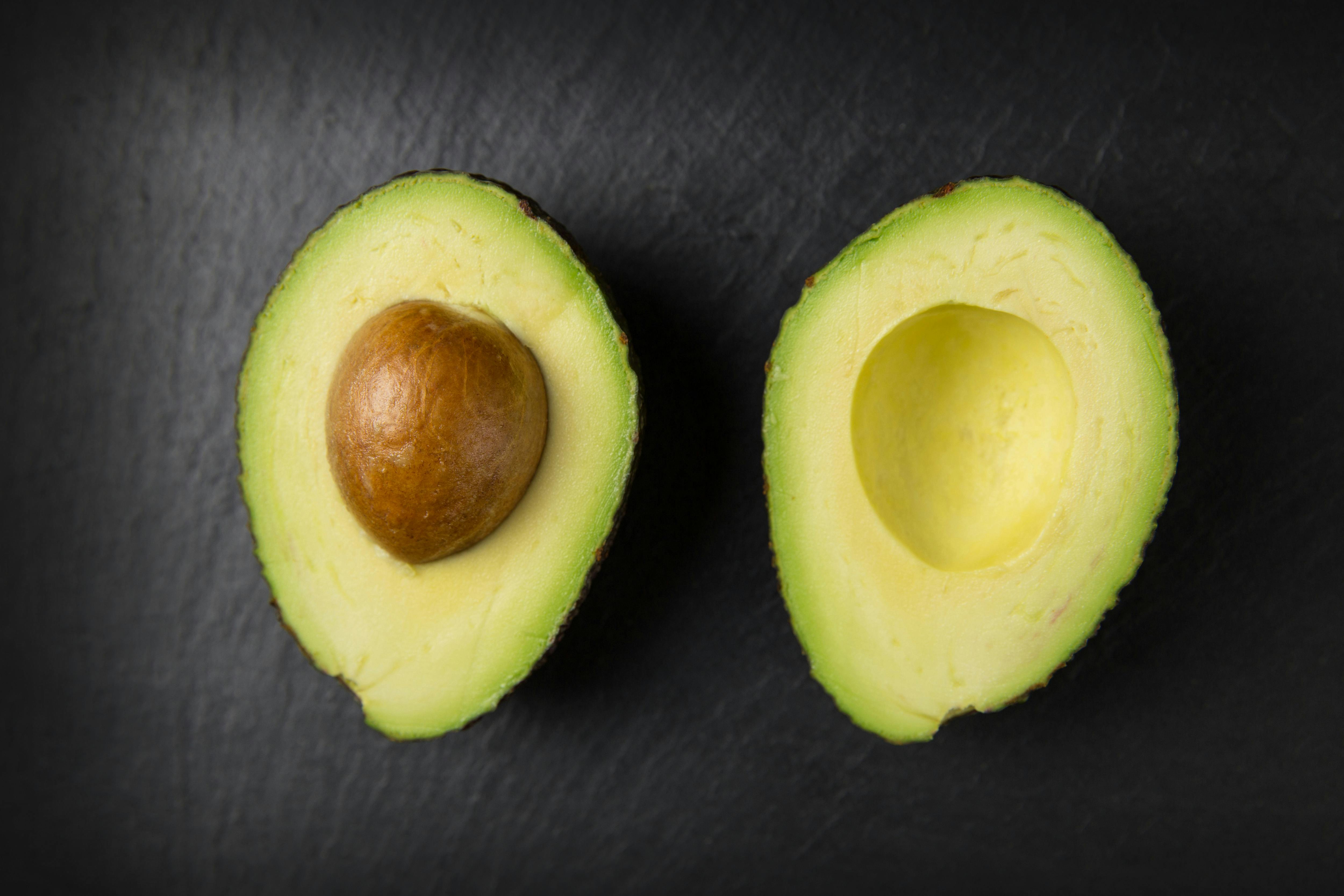
Avocados are often considered one of the best fruits to eat during pregnancy because they contain an impressive combination of healthy fats, folate, potassium, vitamin B6, vitamin K, vitamin E, fiber, and numerous antioxidants. Unlike most fruits, avocados are naturally low in sugar and rich in heart-healthy monounsaturated fats, making them a valuable addition to a balanced prenatal diet.
Key Nutrients in Avocados
| Nutrient | Role During Pregnancy |
|---|---|
| Folate | Supports neural tube formation and healthy cell division. |
| Healthy monounsaturated fats | Promote fetal brain and nervous system development. |
| Potassium | Supports blood pressure regulation and muscle function. |
| Vitamin B6 | May help reduce nausea and support fetal brain development. |
| Fiber | Improves digestion and helps prevent constipation. |
| Vitamin E | Acts as an antioxidant that protects cells from oxidative stress. |
Benefits of Eating Avocados During Pregnancy
- Provides folate needed for early fetal brain and spinal cord development.
- Supplies healthy fats that contribute to fetal brain and eye development.
- Helps maintain healthy blood pressure through its potassium content.
- Supports healthy digestion by providing dietary fiber.
- May reduce pregnancy-related nausea because of its vitamin B6 content.
- Promotes longer-lasting fullness, helping reduce excessive snacking on processed foods.
How Much Avocado Should You Eat?
Most healthy pregnant women can safely enjoy approximately ½ to 1 medium avocado several times per week as part of a balanced diet. Since avocados are relatively calorie-dense, portion control is recommended while still recognizing their excellent nutritional value.
Easy Ways to Add Avocados to Your Diet
- Spread mashed avocado on whole-grain toast.
- Add sliced avocado to salads.
- Blend avocado into smoothies.
- Mix diced avocado into vegetable omelets.
- Use avocado as a healthy replacement for mayonnaise in sandwiches.
- Serve avocado alongside grilled fish or lean chicken.
2. Bananas: A Pregnancy Superfood for Energy and Digestive Health

Bananas are among the world's most widely consumed fruits and are frequently recommended during pregnancy because they provide potassium, vitamin B6, vitamin C, dietary fiber, and natural carbohydrates. They are convenient, affordable, easily digested, and available throughout the year in most countries.
Many healthcare providers recommend bananas during early pregnancy because their vitamin B6 content may help reduce nausea and vomiting associated with morning sickness.
Key Nutrients in Bananas
| Nutrient | Pregnancy Benefit |
|---|---|
| Potassium | Supports healthy blood pressure and muscle function. |
| Vitamin B6 | May reduce nausea and supports fetal brain development. |
| Vitamin C | Supports immunity and collagen production. |
| Fiber | Helps prevent constipation. |
| Natural carbohydrates | Provide sustained energy throughout the day. |
Health Benefits of Bananas During Pregnancy
- May help reduce morning sickness during the first trimester.
- Provides natural energy to combat pregnancy-related fatigue.
- Supports healthy muscle and nerve function.
- Helps maintain normal fluid and electrolyte balance.
- Promotes healthy digestion through dietary fiber.
- Provides a convenient, nutritious snack between meals.
Recommended Intake
One medium banana counts as approximately one serving of fruit. Most pregnant women can safely include one banana per day as part of their recommended daily fruit intake, unless otherwise advised by their healthcare provider due to specific medical conditions such as gestational diabetes.
Healthy Ways to Enjoy Bananas
- Slice onto oatmeal or whole-grain cereal.
- Blend into fruit smoothies.
- Eat with plain Greek yogurt.
- Spread natural peanut butter on banana slices.
- Add sliced bananas to whole-grain pancakes.
- Freeze banana pieces for a refreshing snack.
Are Bananas Safe for Gestational Diabetes?
Yes, bananas can usually be included in the diet of women with gestational diabetes when eaten in appropriate portions and paired with protein or healthy fats. Because bananas contain natural carbohydrates, portion size and overall meal planning are important. Women diagnosed with gestational diabetes should follow individualized dietary advice from their healthcare provider or registered dietitian.
In the next part of this chapter, we'll examine other highly recommended pregnancy fruits, including oranges, berries, apples, and mangoes , exploring their nutritional profiles, scientific evidence, and unique benefits for both mother and baby.
3. Oranges: A Vitamin C Powerhouse for Pregnancy
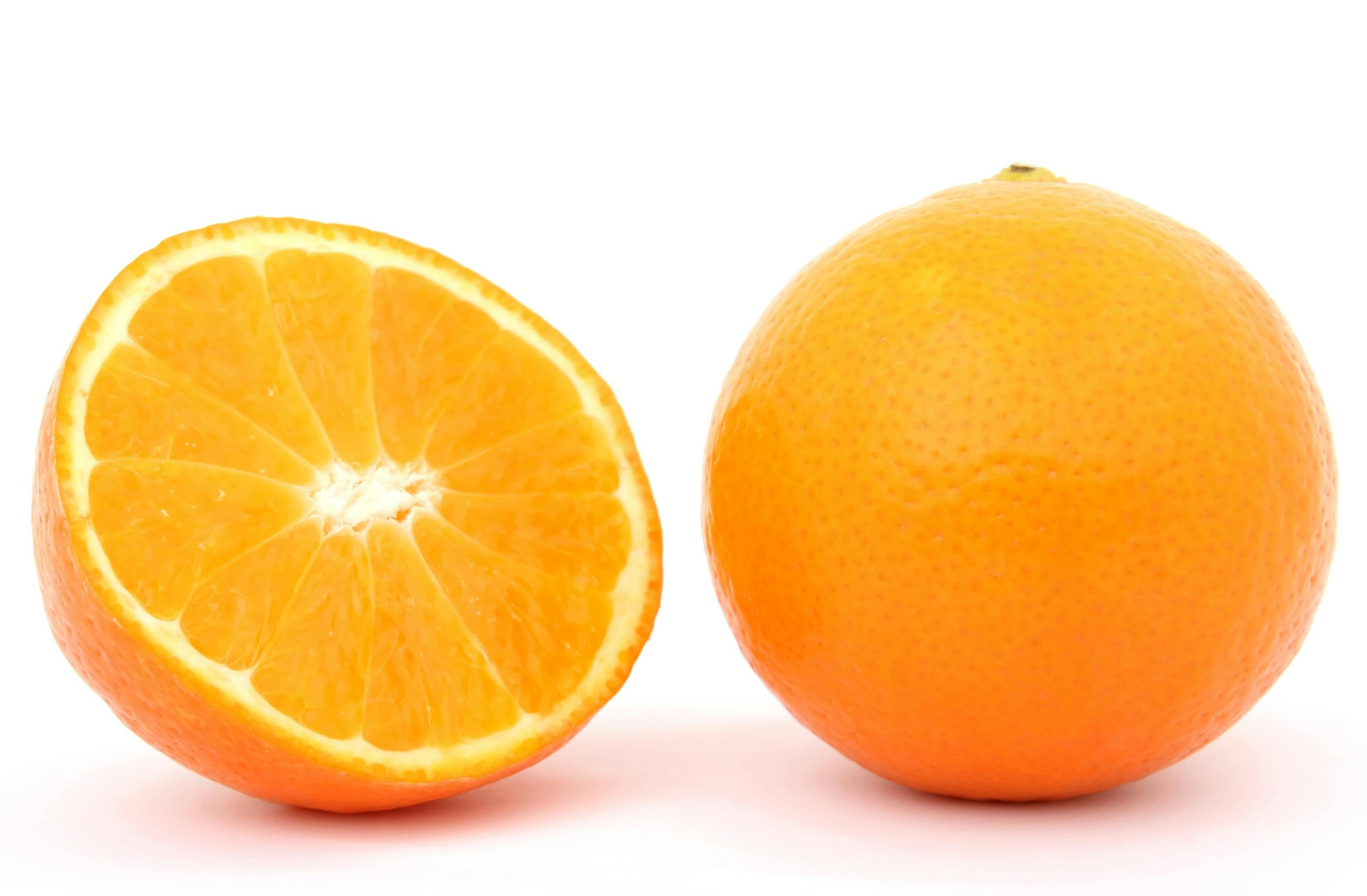
Oranges are among the healthiest fruits to include during pregnancy because they are naturally rich in vitamin C, folate, potassium, antioxidants, and water. Their high water content also contributes to daily hydration, which is essential for maintaining amniotic fluid, supporting circulation, and regulating body temperature.
Vitamin C plays a particularly important role by improving the absorption of iron from plant-based foods. Since iron requirements increase substantially during pregnancy, combining oranges with iron-rich meals may help reduce the risk of iron deficiency anemia.
Key Nutrients
| Nutrient | Benefit During Pregnancy |
|---|---|
| Vitamin C | Supports immunity, collagen production, and iron absorption. |
| Folate | Supports healthy fetal nervous system development. |
| Potassium | Helps regulate fluid balance and blood pressure. |
| Water | Supports hydration and circulation. |
| Fiber | Promotes healthy digestion. |
Benefits of Oranges During Pregnancy
- Enhance absorption of dietary iron.
- Support immune function.
- Help maintain healthy skin, blood vessels, and connective tissue.
- Contribute to hydration.
- Provide antioxidants that protect cells from oxidative stress.
Recommended Intake
One medium orange counts as one serving of fruit. Fresh oranges are generally preferable to orange juice because they contain significantly more dietary fiber and promote greater satiety.
4. Berries: Small Fruits with Exceptional Nutritional Value
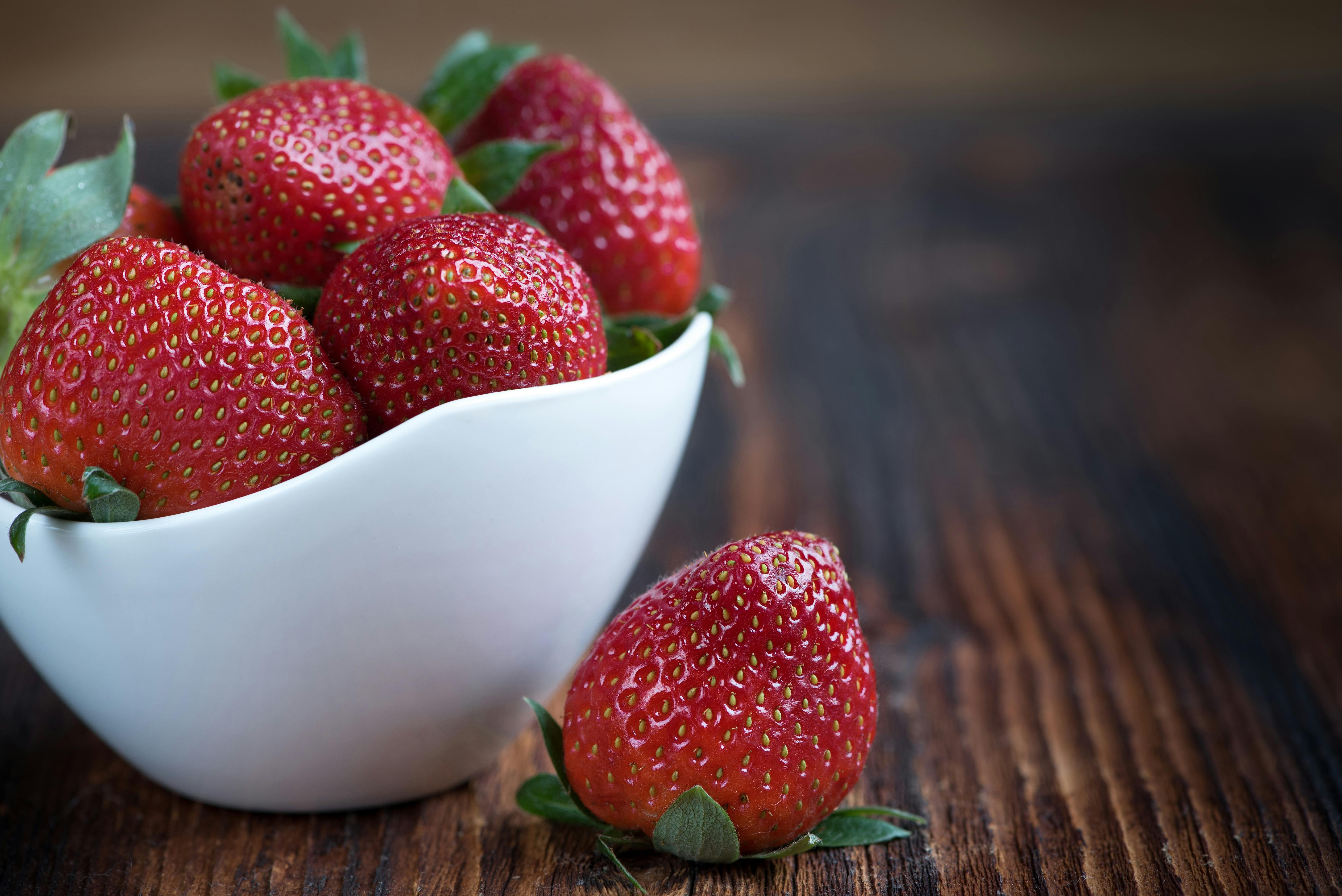
Berries—including strawberries, blueberries, raspberries, and blackberries—are among the most antioxidant-rich fruits available. Despite their small size, they contain impressive amounts of vitamin C, dietary fiber, manganese, and numerous phytochemicals such as anthocyanins that help protect cells against oxidative damage.
Their relatively low glycemic index compared with many other fruits also makes berries an excellent option for women who are monitoring blood glucose levels during pregnancy.
Nutritional Highlights
- High in vitamin C.
- Rich in dietary fiber.
- Excellent source of antioxidants.
- Naturally low in calories.
- Contain beneficial plant compounds that support cellular health.
Pregnancy Benefits
- Support healthy immune function.
- Help reduce oxidative stress.
- Promote digestive health.
- Support collagen production.
- Contribute to healthy fetal growth.
Healthy Serving Ideas
- Mix with plain Greek yogurt.
- Add to oatmeal.
- Blend into smoothies.
- Top whole-grain cereal.
- Enjoy fresh as a snack.
5. Apples: Supporting Digestive and Heart Health
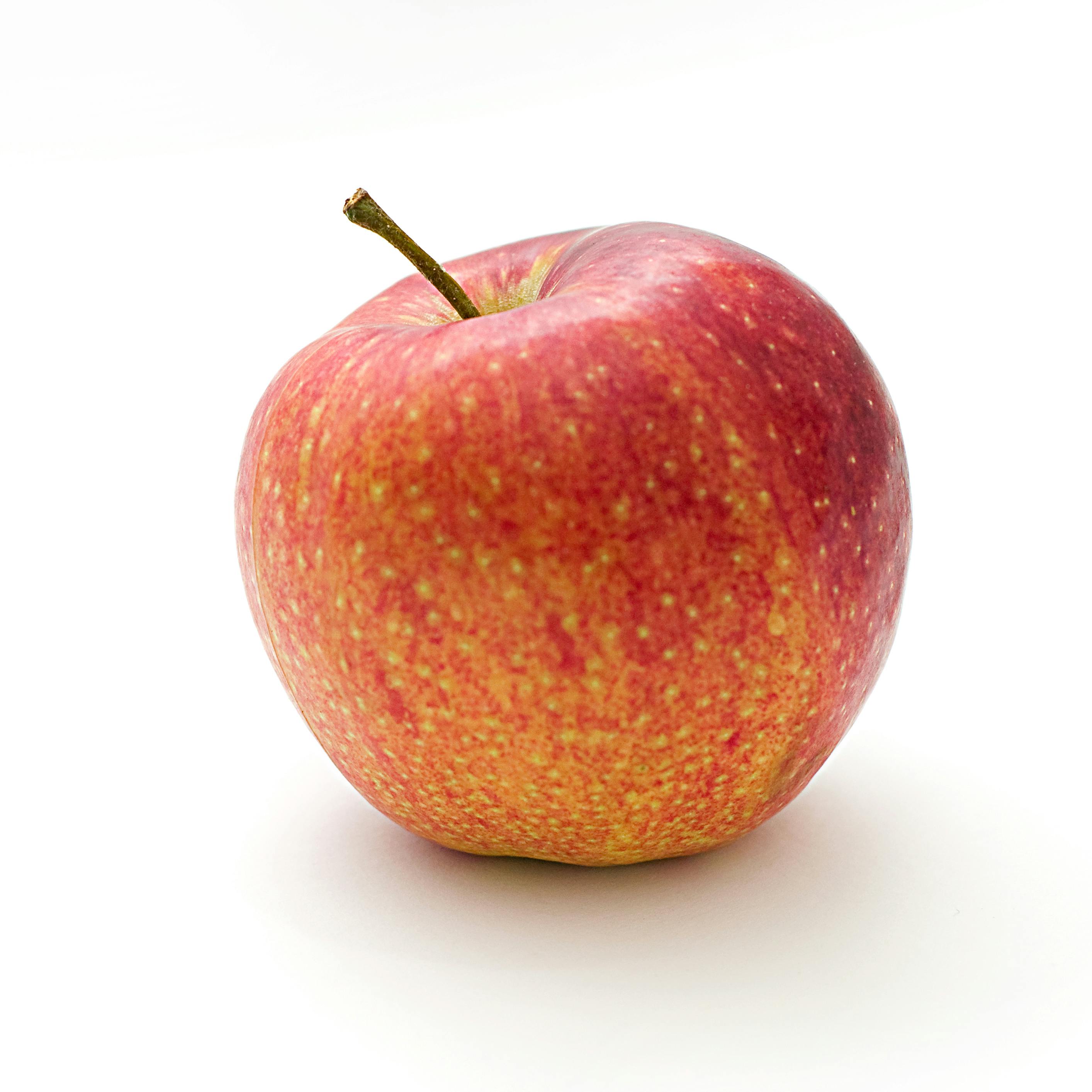
Apples are among the most widely available fruits worldwide and provide dietary fiber, vitamin C, potassium, and numerous antioxidant compounds. Much of an apple's fiber is found in its skin, making thoroughly washed whole apples the most nutritious choice.
Research has suggested that maternal apple consumption during pregnancy may be associated with a lower risk of wheezing and asthma symptoms in children, although additional studies are needed to better understand this relationship.
Health Benefits
- Supports healthy digestion.
- Helps prevent constipation.
- Promotes healthy gut bacteria.
- Provides antioxidants that protect cells.
- Supports cardiovascular health.
Best Ways to Eat Apples
- Fresh with the skin on.
- Sliced with peanut butter.
- Added to oatmeal.
- Mixed into fruit salads.
- Baked with cinnamon (without excessive added sugar).
6. Mangoes: Rich in Vitamin A and Vitamin C

Mangoes are tropical fruits that provide generous amounts of beta-carotene (which the body converts into vitamin A), vitamin C, dietary fiber, folate, and potassium. Their naturally sweet flavor makes them a nutritious alternative to processed desserts.
Vitamin A obtained from beta-carotene supports healthy vision, immune function, and fetal tissue development. Unlike excessive intake of preformed vitamin A supplements, beta-carotene from fruits is generally considered safe during pregnancy.
Important Nutrients
| Nutrient | Role During Pregnancy |
|---|---|
| Beta-carotene | Supports fetal eye, skin, and immune development. |
| Vitamin C | Supports collagen formation and immunity. |
| Fiber | Improves digestive health. |
| Folate | Supports healthy cell growth. |
| Potassium | Supports fluid balance and muscle function. |
Benefits of Mangoes During Pregnancy
- Support healthy fetal growth.
- Strengthen the immune system.
- Help improve digestion.
- Provide antioxidants that protect maternal cells.
- Contribute to healthy skin and vision.
Moderation Is Important
Because mangoes contain more natural sugars than some lower-glycemic fruits, portion control is advisable, especially for women with gestational diabetes or those monitoring blood glucose levels. A serving of approximately one cup of fresh sliced mango fits well into most healthy pregnancy meal plans.
The next section continues this evidence-based review with additional highly nutritious fruits, including guava, kiwi, watermelon, grapes, pears, and pomegranates . We'll also discuss their nutritional profiles, pregnancy-specific benefits, recommended serving sizes, and practical ways to include them in a healthy prenatal diet.
7. Guava: One of the Richest Sources of Vitamin C
Guava is considered one of the most nutrient-dense tropical fruits available. It contains exceptionally high amounts of vitamin C—often significantly more than oranges—along with dietary fiber, folate, potassium, vitamin A, and numerous antioxidants. These nutrients support maternal immunity, collagen formation, digestive health, and fetal growth throughout pregnancy.
Key Nutrients
- Vitamin C
- Dietary fiber
- Folate
- Potassium
- Vitamin A (beta-carotene)
- Antioxidants
Benefits During Pregnancy
- Supports immune function.
- Improves iron absorption.
- Helps prevent constipation.
- Promotes healthy fetal growth.
- Supports collagen production for skin and connective tissues.
Because guava is naturally high in fiber, it may help improve bowel regularity—a common concern during pregnancy.
8. Kiwi: A Small Fruit Packed with Nutrients
Despite its small size, kiwi provides an impressive nutritional package that includes vitamin C, vitamin E, folate, potassium, dietary fiber, and antioxidants. Its combination of vitamins and fiber makes it an excellent addition to a pregnancy-friendly diet.
Pregnancy Benefits
- Supports healthy immune function.
- Helps improve iron absorption.
- Contributes to healthy fetal cell growth.
- Promotes healthy digestion.
- Provides antioxidants that protect maternal cells.
Kiwi's soluble and insoluble fiber can help relieve constipation while supporting a healthy balance of beneficial gut bacteria.
9. Watermelon: Excellent for Hydration During Pregnancy

Watermelon contains more than 90% water, making it one of the most hydrating fruits available. Staying well hydrated during pregnancy supports healthy circulation, amniotic fluid production, kidney function, and temperature regulation.
Watermelon also provides vitamin C, vitamin A, potassium, and lycopene, a powerful antioxidant that contributes to cellular protection.
Health Benefits
- Supports hydration.
- May help reduce dehydration-related headaches.
- Provides natural electrolytes.
- Supports healthy circulation.
- Contains antioxidants that protect cells.
Although watermelon has a relatively high glycemic index, its glycemic load is lower because of its high water content. Women with gestational diabetes should still monitor portion sizes according to medical advice.
10. Grapes: Rich in Protective Plant Compounds

Grapes provide vitamin C, vitamin K, potassium, water, and naturally occurring polyphenols such as resveratrol and flavonoids. These compounds possess antioxidant properties that help protect cells from oxidative damage.
Both red and green grapes can be enjoyed during pregnancy after they have been thoroughly washed to reduce the risk of foodborne illness.
Benefits During Pregnancy
- Provide antioxidants that help protect maternal cells.
- Support healthy blood vessels.
- Contribute to hydration.
- Provide natural energy.
- Support immune health.
11. Pears: Gentle on Digestion
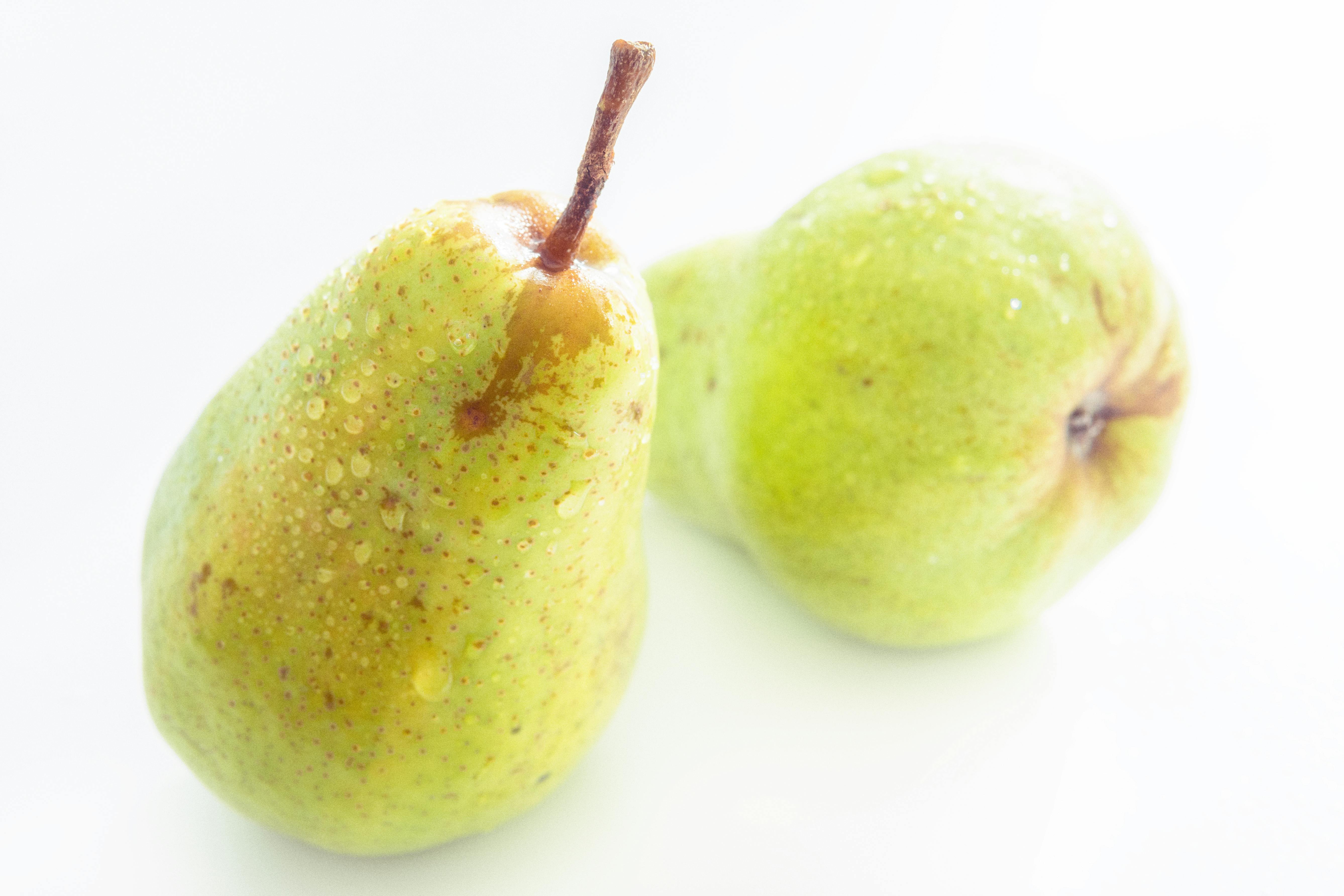
Pears are rich in dietary fiber, vitamin C, potassium, and water. They are easy to digest and particularly beneficial for women experiencing constipation or digestive discomfort during pregnancy.
Benefits
- Support bowel regularity.
- Improve digestive comfort.
- Provide hydration.
- Support healthy blood pressure.
- Offer sustained energy through natural carbohydrates.
Leaving the edible skin intact after thoroughly washing pears increases their fiber content.
12. Pomegranates: Rich in Antioxidants

Pomegranates are widely recognized for their exceptionally high antioxidant content. They contain vitamin C, vitamin K, potassium, folate, dietary fiber, and polyphenols that help protect cells against oxidative stress.
Several studies have explored the potential role of pomegranate compounds in supporting placental health, although more research is needed before firm clinical recommendations can be made.
Potential Pregnancy Benefits
- Provide powerful antioxidants.
- Support healthy immune function.
- Contribute to healthy blood vessel function.
- Provide dietary fiber.
- Support normal fetal growth as part of a balanced diet.
Serving Suggestions
- Sprinkle seeds over yogurt.
- Add to fruit salads.
- Mix into green salads.
- Blend into homemade smoothies.
Related Resources
- Diabetes & Blood Sugar
- Nutrition & Healthy Eating
- Heart Health
- Fitness & Physical Activity
- Sleep Health
- Mental Health & Well-being
- Preventive Health
- Healthy Recipes
Next, we'll examine two of the most debated fruits in pregnancy— pineapple and papaya . You'll learn what current scientific evidence says about their safety, common myths, nutritional benefits, and when caution may be appropriate.
Is Pineapple Safe During Pregnancy?

Pineapple is one of the most misunderstood fruits during pregnancy. Many expectant mothers are advised by family members, friends, or social media to avoid pineapple because of concerns that it may cause miscarriage, premature labor, or early uterine contractions. Although these beliefs are widespread, current scientific evidence does not support avoiding fresh pineapple as part of a healthy pregnancy diet.
Major medical organizations, including the American College of Obstetricians and Gynecologists (ACOG) and the World Health Organization (WHO) , do not list fresh pineapple among foods that healthy pregnant women should routinely avoid.
When consumed in normal food portions, pineapple is generally considered safe throughout pregnancy unless a healthcare professional recommends otherwise because of an individual's medical condition or allergy.
Why Do People Believe Pineapple Causes Miscarriage?
The belief originates from the presence of bromelain , a natural enzyme found in pineapple. Bromelain helps break down proteins and is commercially extracted from pineapple stems for use in dietary supplements and certain medical products.
Because laboratory studies have shown that highly concentrated bromelain can affect certain tissues under experimental conditions, a myth developed that eating pineapple could trigger uterine contractions or miscarriage.
However, this theory does not reflect what happens when people eat fresh pineapple.
Why Fresh Pineapple Is Different
- The edible fruit contains much lower concentrations of bromelain than supplements.
- Most bromelain is broken down by stomach acid and digestive enzymes before entering the bloodstream.
- No high-quality human studies have demonstrated that eating normal amounts of fresh pineapple increases the risk of miscarriage or premature labor.
- Most bromelain used in research comes from pineapple stems rather than the fruit itself.
Nutritional Value of Pineapple
Beyond the myths, pineapple is actually a nutritious fruit that contributes several important vitamins and minerals during pregnancy.
| Nutrient | Importance During Pregnancy |
|---|---|
| Vitamin C | Supports immunity, collagen formation, and iron absorption. |
| Manganese | Supports bone formation, metabolism, and antioxidant enzymes. |
| Dietary Fiber | Promotes healthy digestion and bowel regularity. |
| Potassium | Supports healthy blood pressure and muscle function. |
| Water | Helps maintain hydration. |
| Antioxidants | Protect maternal and fetal cells from oxidative stress. |
Health Benefits of Pineapple During Pregnancy
1. Supports the Immune System
Pineapple is an excellent source of vitamin C, an essential nutrient that supports immune function and helps protect both mother and baby from infections.
2. Improves Iron Absorption
Vitamin C enhances the absorption of non-heme iron found in foods such as beans, lentils, spinach, and fortified cereals. This may help reduce the risk of iron deficiency anemia during pregnancy.
3. Supports Healthy Digestion
The fiber naturally present in pineapple contributes to healthy bowel function and may help reduce constipation when consumed alongside adequate water intake.
4. Helps Maintain Hydration
Pineapple contains a high percentage of water, making it a refreshing snack that contributes to overall daily fluid intake.
5. Provides Antioxidant Protection
Vitamin C and other antioxidant compounds found in pineapple help neutralize harmful free radicals, reducing oxidative stress associated with pregnancy.
Can Pineapple Trigger Labor?
Many women nearing their due date wonder whether eating pineapple can naturally induce labor.
Despite widespread claims on the internet, there is currently no reliable clinical evidence showing that consuming normal amounts of pineapple triggers labor in healthy pregnant women.
Although bromelain has been investigated under laboratory conditions, eating fresh pineapple does not provide enough active bromelain to stimulate labor.
Healthcare providers therefore do not recommend pineapple as a medically proven method of labor induction.
Are There Any Situations Where Pineapple Should Be Limited?
Although pineapple is generally safe, moderation is still recommended.
Some women may need to limit intake if they:
- Have gestational diabetes and need to monitor carbohydrate intake.
- Experience severe acid reflux or heartburn, as pineapple's natural acidity may worsen symptoms.
- Have a confirmed pineapple allergy.
- Have been advised by their obstetrician to follow individualized dietary restrictions.
For most healthy pregnancies, however, moderate pineapple consumption remains a nutritious and safe choice.
In the next section, we'll examine another commonly debated fruit: papaya during pregnancy . You'll learn why the safety of papaya depends on its stage of ripeness, what research says about ripe versus unripe papaya, and the practical recommendations for expectant mothers.
Is Papaya Safe During Pregnancy?

Papaya is one of the most controversial fruits during pregnancy. Unlike pineapple, the safety of papaya depends largely on its stage of ripeness. Scientific evidence distinguishes between fully ripe papaya and unripe (green) papaya , as they differ significantly in their chemical composition.
Most healthcare professionals agree that fully ripe papaya can be safely enjoyed in moderation during pregnancy . However, unripe or semi-ripe papaya is generally not recommended because it contains higher amounts of natural latex and enzymes that may stimulate uterine activity under certain circumstances.
Why Is Unripe Papaya a Concern?
Green papaya contains a milky latex that is much more abundant than in fully ripe fruit. This latex contains enzymes, including papain and chymopapain , which have been studied for their ability to break down proteins.
Experimental animal studies have suggested that very large amounts of papaya latex may stimulate uterine contractions. Although similar effects have not been conclusively demonstrated in healthy pregnant women eating normal foods, many obstetric guidelines recommend avoiding unripe papaya as a precaution.
Why Healthcare Providers Advise Caution
- Higher concentrations of natural latex.
- Contains more papain than ripe papaya.
- Animal studies suggest possible uterine stimulation.
- Limited human studies make it difficult to completely exclude risk.
- Avoiding green papaya is a simple precaution that carries little nutritional disadvantage.
Why Ripe Papaya Is Different
As papaya ripens, its latex content decreases substantially. Fully ripe papaya—with soft orange or deep yellow flesh—contains only minimal amounts of latex and offers numerous nutritional benefits.
Ripe papaya is rich in vitamins, minerals, antioxidants, fiber, and water, making it a healthy addition to most pregnancy diets.
| Nutrient | Pregnancy Benefit |
|---|---|
| Vitamin C | Supports immune function and improves iron absorption. |
| Beta-carotene (Vitamin A precursor) | Supports fetal eye, skin, and immune development. |
| Folate | Supports healthy fetal neural development. |
| Fiber | Helps prevent constipation. |
| Potassium | Supports healthy blood pressure and muscle function. |
| Antioxidants | Protect maternal and fetal cells from oxidative stress. |
Health Benefits of Ripe Papaya During Pregnancy
1. Supports the Immune System
Ripe papaya provides an excellent source of vitamin C, which strengthens immune defenses and supports healthy tissue repair.
2. Helps Prevent Constipation
The combination of dietary fiber and water promotes healthy bowel movements, reducing one of the most common digestive complaints during pregnancy.
3. Supports Healthy Fetal Development
Beta-carotene and folate contribute to normal fetal growth, healthy cell division, and development of the eyes, skin, nervous system, and immune system.
4. Improves Iron Absorption
Vitamin C enhances the body's ability to absorb iron from plant-based foods, helping lower the risk of iron deficiency anemia.
5. Provides Antioxidant Protection
Natural antioxidants found in ripe papaya help reduce oxidative stress, which has been linked to several pregnancy complications when excessive.
Ripe vs. Unripe Papaya: A Quick Comparison
| Feature | Ripe Papaya | Unripe Papaya |
|---|---|---|
| Color | Orange or deep yellow flesh | Green skin with pale flesh |
| Latex Content | Very low | High |
| Papain Levels | Minimal | Higher |
| Pregnancy Recommendation | Generally safe in moderation | Generally avoided |
| Main Concern | None for most healthy pregnancies | Theoretical uterine stimulation |
How Much Ripe Papaya Can You Eat?
Most healthy pregnant women can safely enjoy approximately 1 cup of ripe papaya as one serving of fruit. As with all fruits, moderation and dietary variety are recommended.
Rather than eating large quantities of any single fruit, aim to include a wide variety of fruits throughout the week to maximize vitamin, mineral, and antioxidant intake.
Frequently Asked Questions About Papaya During Pregnancy
Can papaya cause miscarriage?
There is no strong clinical evidence that eating ripe papaya causes miscarriage. Concerns mainly relate to unripe papaya , which contains substantially more latex and papain.
Can I eat papaya in the third trimester?
Fully ripe papaya is generally considered safe during any trimester when eaten in moderation, unless your healthcare provider advises otherwise.
Is papaya juice safe?
Fresh juice made from fully ripe papaya is generally considered safe if it is prepared hygienically. Avoid juices made from unripe papaya and ensure all fresh produce is thoroughly washed before preparation.
In the next chapter, we'll explore fruits to limit or avoid during pregnancy , including food safety concerns, unpasteurized fruit juices, dried fruits, excessive fruit intake, and practical guidance for reducing the risk of foodborne illness while maintaining a nutritious prenatal diet.
Fruits to Limit or Avoid During Pregnancy
Fresh fruits are an important part of a healthy pregnancy diet and provide essential vitamins, minerals, antioxidants, fiber, and water. However, not every fruit-related product is equally safe. In many cases, the greatest risk comes not from the fruit itself but from contamination, improper handling, poor storage, or excessive consumption.
During pregnancy, natural changes in the immune system make women more vulnerable to certain foodborne illnesses. Some infections that cause only mild symptoms in healthy adults can lead to serious complications during pregnancy, including miscarriage, preterm birth, stillbirth, or severe illness in newborn babies.
For this reason, healthcare professionals emphasize not only eating nutritious fruits but also following proper food safety practices before consuming them.
Why Food Safety Is Especially Important During Pregnancy
Pregnancy naturally alters immune function to help support the developing baby. Although this adaptation is normal, it can increase susceptibility to harmful bacteria, parasites, and viruses transmitted through contaminated food.
Fresh fruits can become contaminated at several stages, including:
- During farming and irrigation.
- While being transported and stored.
- During handling in supermarkets or open-air markets.
- During preparation at home using contaminated utensils or surfaces.
Fortunately, most foodborne illnesses can be prevented through careful food handling and proper hygiene.
1. Unwashed Fruits

One of the most important food safety recommendations during pregnancy is to thoroughly wash all fresh fruits before eating them—even fruits with peels that will later be removed.
Fresh produce may carry harmful microorganisms, pesticide residues, soil particles, or other contaminants that are invisible to the naked eye.
Potential Organisms Found on Contaminated Produce
| Microorganism | Possible Pregnancy Risk |
|---|---|
| Listeria monocytogenes | Miscarriage, stillbirth, premature birth, neonatal infection. |
| Salmonella | Severe diarrhea, dehydration, fever. |
| Escherichia coli (E. coli) | Food poisoning and dehydration. |
| Toxoplasma gondii | Congenital toxoplasmosis affecting fetal development. |
Although these infections are relatively uncommon, they can have serious consequences during pregnancy. Proper washing greatly reduces the likelihood of exposure.
2. Pre-Cut Fruits
Convenient pre-cut fruit sold in supermarkets, roadside stalls, or open markets may carry a greater risk of contamination because the protective skin has already been removed.
Once fruit is peeled or cut, bacteria can multiply rapidly if it is stored at unsafe temperatures or handled with contaminated knives and cutting boards.
Potential Risks
- Greater exposure to bacteria after peeling.
- Improper refrigeration.
- Cross-contamination during preparation.
- Unknown preparation and storage conditions.
Whenever possible, purchase whole fruits and wash and cut them yourself shortly before eating.
3. Fruits with High Natural Sugar Content
Although fruit sugars occur naturally and are accompanied by vitamins, minerals, fiber, and antioxidants, consuming very large amounts of fruit may contribute to excessive calorie intake and elevated blood glucose levels.
This is especially important for women diagnosed with gestational diabetes mellitus (GDM) or those at increased risk of developing it.
Examples of Naturally Higher-Sugar Fruits
- Mangoes
- Grapes
- Ripe bananas
- Cherries
- Figs
These fruits do not need to be completely avoided. Instead, healthcare professionals recommend enjoying them in moderate portions while maintaining variety throughout the diet.
4. Dried Fruits
Drying removes most of the water from fruit, concentrating both nutrients and natural sugars into a much smaller volume. While dried fruits provide fiber, potassium, iron, and antioxidants, they are significantly more calorie-dense than fresh fruit.
Because they are easy to overeat, portion control becomes especially important during pregnancy.
Healthy Choices Include
- Unsweetened raisins.
- Dried apricots.
- Prunes.
- Dates.
- Unsweetened dried figs.
Choose Carefully
- Select products without added sugar.
- Avoid products containing artificial sweeteners or preservatives when possible.
- Watch serving sizes because calories accumulate quickly.
Next, we'll cover unpasteurized fruit juices, fruit hygiene practices, safe storage methods, and practical strategies to reduce foodborne illness during pregnancy , helping you safely enjoy the nutritional benefits of fruit while protecting both mother and baby.
5. Unpasteurized Fruit Juices: A Hidden Risk During Pregnancy
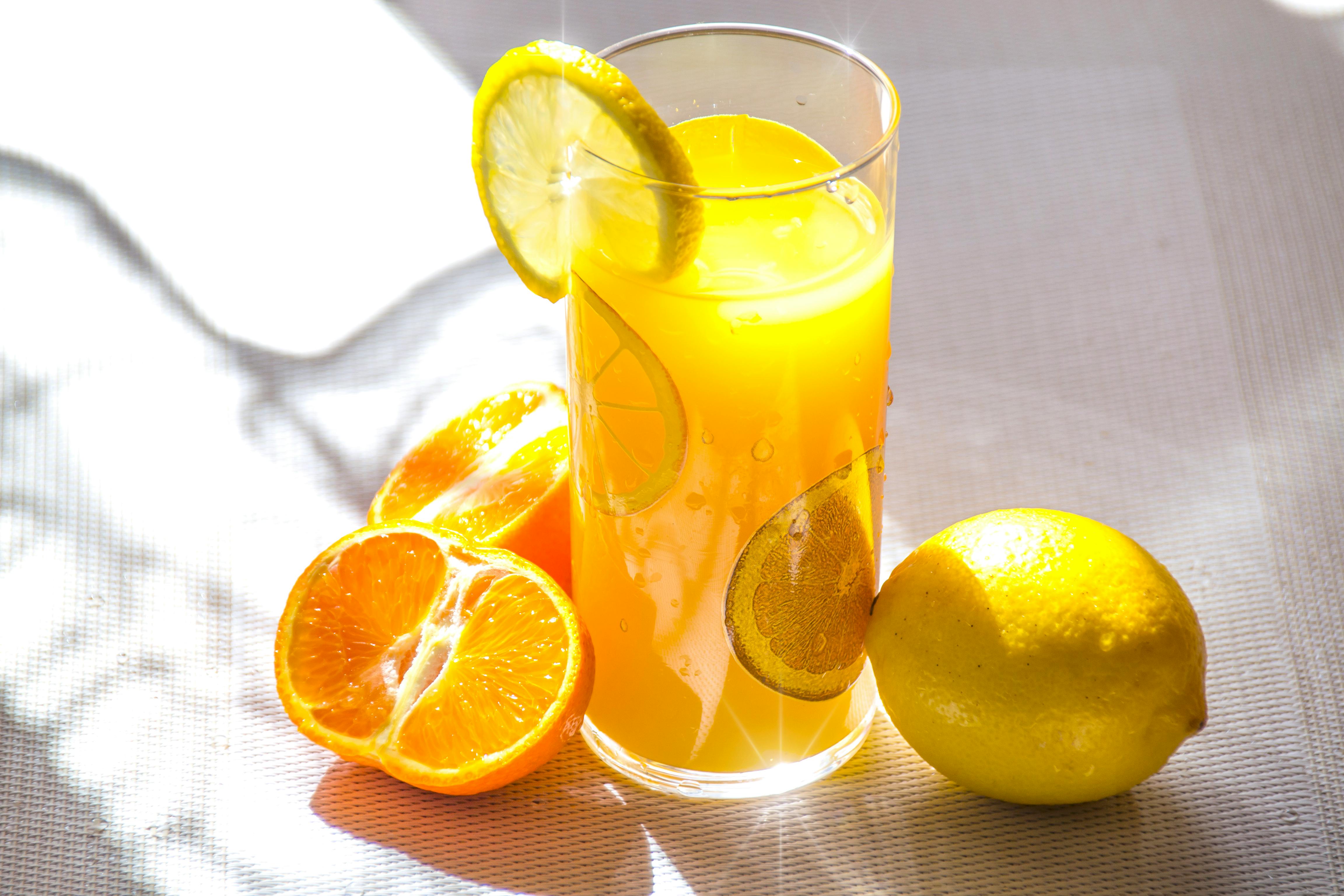
Fruit juice is often viewed as a healthy alternative to sugary drinks. While 100% fruit juice can provide vitamins and minerals, not all juices are equally safe during pregnancy. The primary concern is whether the juice has been pasteurized .
Pasteurization is a heat treatment process that destroys harmful bacteria without significantly affecting the nutritional value of the juice. Unpasteurized juices, sometimes sold at farmers' markets, roadside stalls, juice bars, or made from freshly squeezed fruit under unknown hygienic conditions, may contain dangerous microorganisms.
Potential Harmful Bacteria
- Escherichia coli (E. coli)
- Salmonella
- Listeria monocytogenes
- Cryptosporidium (occasionally)
Although healthy adults often recover without complications, these infections may be more severe during pregnancy and can affect both the mother and developing baby.
Whole Fruits vs. Fruit Juice
Whole fruits are generally a healthier choice than fruit juice because they contain dietary fiber, which slows sugar absorption, promotes fullness, and supports digestive health.
| Whole Fruit | Fruit Juice |
|---|---|
| Rich in fiber | Very little or no fiber |
| Slower rise in blood sugar | Faster rise in blood sugar |
| More filling | Less satisfying |
| Supports digestive health | Limited digestive benefits |
| Recommended as the first choice | Consume in moderation |
Whenever possible, choose fresh whole fruits instead of juice to maximize nutritional benefits.
How to Wash Fruits Properly During Pregnancy
Proper washing removes dirt, pesticide residues, and many microorganisms that may be present on the surface of fresh produce. Washing fruits is one of the simplest and most effective ways to reduce the risk of foodborne illness.
Step-by-Step Guide
- Wash your hands with soap and clean water before handling fruit.
- Rinse fruits thoroughly under cool running water.
- Use a clean produce brush for firm fruits such as apples, pears, melons, and oranges.
- Dry fruits with a clean paper towel or cloth if desired.
- Wash fruits immediately before eating rather than before long-term storage.
Safe Fruit Storage During Pregnancy
Proper storage helps preserve nutritional quality while reducing bacterial growth and spoilage.
Storage Tips
- Refrigerate cut fruits within two hours.
- Store fruits in clean containers with lids.
- Discard fruits showing mold, unusual odors, or signs of spoilage.
- Separate fresh produce from raw meat, poultry, and seafood.
- Keep refrigerator temperatures at or below 4°C (40°F).
Prompt refrigeration is especially important for melons, papaya, pineapple, mangoes, and other fruits that have been peeled or sliced.
Preventing Cross-Contamination
Cross-contamination occurs when harmful microorganisms are transferred from one food or surface to another. During pregnancy, preventing cross-contamination is an essential part of food safety.
Best Practices
- Use separate cutting boards for fresh produce and raw meat.
- Wash knives, utensils, and cutting boards thoroughly after each use.
- Clean kitchen countertops regularly with hot, soapy water.
- Avoid placing washed fruits on contaminated surfaces.
- Wash hands before and after preparing food.
Signs That Fruit Should Be Discarded
Do not eat fruit if it shows signs of spoilage, even if only part of it appears damaged. Harmful microorganisms may spread beyond the visibly affected area.
Discard Fruit If It Has:
- Visible mold.
- A sour or fermented smell.
- Excessive softness or sliminess.
- Large bruised or damaged areas.
- Evidence of insect infestation.
Next, we'll discuss fruit consumption for gestational diabetes , including glycemic index, glycemic load, portion sizes, the best fruits for blood sugar control, and practical meal-planning strategies for a healthy pregnancy.
Gestational Diabetes and Fruit Consumption During Pregnancy
Fruit is an important source of vitamins, minerals, dietary fiber, antioxidants, and water during pregnancy. However, for women diagnosed with gestational diabetes mellitus (GDM) , choosing the right fruits and eating appropriate portion sizes becomes especially important for maintaining healthy blood glucose levels.
Contrary to a common misconception, having gestational diabetes does not mean that fruit must be eliminated from the diet. Instead, healthcare providers recommend selecting fruits wisely, controlling portions, and distributing fruit intake throughout the day as part of an individualized meal plan.
When combined with regular physical activity, routine blood glucose monitoring, and guidance from a healthcare professional, fruit can remain an important component of a healthy pregnancy diet.
What Is Gestational Diabetes?
Gestational diabetes mellitus (GDM) is a condition in which blood sugar levels become elevated during pregnancy in women who did not previously have diabetes. It usually develops during the second or third trimester as pregnancy hormones make the body's cells less responsive to insulin—a condition known as insulin resistance .
Insulin is a hormone produced by the pancreas that helps move glucose from the bloodstream into cells, where it is used for energy. During pregnancy, the placenta produces hormones that naturally increase insulin resistance to ensure an adequate supply of glucose reaches the growing baby.
When the pancreas cannot produce enough additional insulin to overcome this resistance, blood glucose levels rise, resulting in gestational diabetes.
Why Blood Sugar Control Matters
Maintaining healthy blood glucose levels during pregnancy is essential for the wellbeing of both mother and baby. Poorly controlled gestational diabetes may increase the risk of several complications.
Possible Maternal Complications
- High blood pressure (pregnancy-induced hypertension).
- Pre-eclampsia.
- Increased likelihood of cesarean delivery.
- Higher risk of developing type 2 diabetes later in life.
Possible Fetal and Newborn Complications
- Excessive birth weight (macrosomia).
- Birth injuries related to large fetal size.
- Preterm birth.
- Low blood sugar (neonatal hypoglycemia) after delivery.
- Higher lifetime risk of obesity and type 2 diabetes.
Fortunately, appropriate nutrition, including careful fruit selection, can significantly improve blood sugar control and reduce many of these risks.
Understanding the Glycemic Index (GI)
The glycemic index (GI) is a measure of how quickly a carbohydrate-containing food raises blood glucose levels after it is eaten. Foods are ranked on a scale from 0 to 100.
| Glycemic Index | Meaning |
|---|---|
| Low GI (55 or less) | Causes a slower, steadier increase in blood sugar. |
| Medium GI (56–69) | Produces a moderate increase in blood glucose. |
| High GI (70 or above) | Raises blood sugar more rapidly. |
Foods with a lower glycemic index are generally preferred for women with gestational diabetes because they produce a slower rise in blood glucose and help maintain more stable energy levels.
Glycemic Index vs. Glycemic Load
Although the glycemic index is useful, it does not tell the whole story. The glycemic load (GL) also considers the amount of carbohydrate in a typical serving of food.
For example, watermelon has a relatively high glycemic index but contains a large amount of water and relatively little carbohydrate per serving. As a result, its glycemic load is much lower than many people expect.
This demonstrates why both portion size and fruit choice are important when planning meals for gestational diabetes.
Can Women with Gestational Diabetes Eat Fruit?
Yes. Most women with gestational diabetes can safely eat fruit as part of a balanced meal plan. Fruits provide essential nutrients that support pregnancy, including vitamin C, potassium, folate, antioxidants, and dietary fiber.
The key is to focus on whole fruits rather than fruit juices , monitor portion sizes, and spread fruit intake throughout the day instead of consuming large amounts at one time.
General Principles for Eating Fruit with Gestational Diabetes
- Choose whole fruits instead of fruit juice whenever possible.
- Limit large portions of naturally high-sugar fruits.
- Distribute fruit servings evenly throughout the day.
- Include protein or healthy fats with fruit snacks.
- Avoid sugar-sweetened canned fruits and syrups.
- Monitor blood glucose as advised by your healthcare provider.
- Follow individualized dietary recommendations from your obstetrician or registered dietitian.
In Part 7B , we'll examine the best fruits for gestational diabetes , ranking them by glycemic impact, fiber content, nutritional value, and suitability for maintaining healthy blood glucose during pregnancy.
Best Fruits for Gestational Diabetes During Pregnancy
Women with gestational diabetes do not need to avoid fruit completely. Instead, selecting fruits that are rich in fiber, vitamins, minerals, and antioxidants while having a lower impact on blood glucose can help support a healthy pregnancy. Whole fruits are generally preferred because their natural fiber slows the absorption of sugars and promotes better blood sugar control.
The following fruits are among the best choices for most women with gestational diabetes. Individual tolerance varies, so blood glucose monitoring and personalized dietary advice from a healthcare provider remain important.
1. Berries
Strawberries, blueberries, raspberries, and blackberries are among the healthiest fruits for women with gestational diabetes. They contain relatively little natural sugar, are rich in fiber, and provide large amounts of vitamin C and antioxidant compounds.
Benefits
- Low glycemic index.
- High dietary fiber.
- Rich in antioxidants that support maternal and fetal health.
- May produce smaller blood glucose rises than many sweeter fruits.
Recommended serving: About 1 cup of fresh berries.
2. Apples
Apples are an excellent pregnancy fruit because they contain soluble fiber, particularly pectin, which helps slow digestion and glucose absorption.
Benefits
- Moderate glycemic index.
- High fiber, especially when eaten with the skin.
- Supports digestive health.
- Promotes longer-lasting fullness.
Recommended serving: One medium apple.
3. Pears
Pears are naturally high in dietary fiber and water, making them an excellent choice for women experiencing constipation while also helping maintain steady blood glucose levels.
Benefits
- Low to moderate glycemic index.
- Excellent source of fiber.
- Supports digestive health.
- Promotes satiety.
Recommended serving: One medium pear.
4. Oranges and Citrus Fruits
Whole oranges provide vitamin C, potassium, folate, and fiber while containing substantially more fiber than orange juice.
Benefits
- Supports iron absorption.
- Strengthens immune function.
- Provides hydration.
- Moderate effect on blood glucose when eaten whole.
Recommended serving: One medium orange.
5. Kiwi

Kiwi provides exceptional amounts of vitamin C together with fiber, potassium, and antioxidants. It generally has a relatively low glycemic impact when consumed as part of a balanced meal.
Benefits
- Excellent vitamin C source.
- Supports immune health.
- May help relieve constipation.
- Provides dietary fiber with relatively modest sugar content.
Recommended serving: One to two medium kiwis.
Fruit Comparison Table
| Fruit | Approximate GI | Main Benefit | Recommended Portion |
|---|---|---|---|
| Berries | Low | Fiber and antioxidants | 1 cup |
| Apple | Low–Moderate | Pectin fiber and vitamin C | 1 medium |
| Pear | Low | Fiber and hydration | 1 medium |
| Orange | Low–Moderate | Vitamin C and folate | 1 medium |
| Kiwi | Low | Vitamin C and antioxidants | 1–2 medium |
Tips for Better Blood Sugar Control
- Eat whole fruits instead of fruit juice.
- Avoid consuming several fruit servings at one time.
- Pair fruit with protein, such as Greek yogurt or cheese.
- Add healthy fats such as almonds, walnuts, or peanut butter.
- Check blood glucose after meals if advised by your healthcare provider.
- Choose fresh or frozen fruit without added sugar.
Fruits to Limit, Portion Sizes, and Meal Planning for Gestational Diabetes
Although most fruits can be included in a gestational diabetes meal plan, some contain higher amounts of natural sugars or carbohydrates and may cause larger increases in blood glucose when consumed in large portions. This does not mean these fruits are unhealthy or should be completely avoided. Instead, moderation, portion control, and proper meal planning are key.The goal is to maintain stable blood glucose while ensuring both mother and baby receive the essential nutrients needed for healthy pregnancy and fetal development.
Fruits to Eat in Moderation
Some fruits contain more natural sugars than others. They can still be enjoyed, but portion size becomes particularly important for women with gestational diabetes.
| Fruit | Reason for Moderation | Suggested Portion |
|---|---|---|
| Bananas | Higher carbohydrate content, especially when very ripe. | ½–1 medium banana |
| Mangoes | Higher natural sugar content. | ½ cup sliced |
| Grapes | Easy to overeat because of their small size. | 15–17 grapes |
| Pineapple | Moderate glycemic effect depending on serving size. | ½–1 cup |
| Watermelon | Higher glycemic index but relatively low glycemic load. | 1 cup diced |
| Cherries | Contain more natural sugars than many berries. | ½–1 cup |
These recommendations are general guidelines. Individual blood glucose responses vary, making regular monitoring an important part of gestational diabetes management.
Recommended Portion Sizes
Eating appropriate portions helps reduce large fluctuations in blood glucose while still allowing pregnant women to benefit from fruit's vitamins, minerals, antioxidants, and dietary fiber.
| Fruit | One Serving |
|---|---|
| Apple | 1 medium |
| Pear | 1 medium |
| Orange | 1 medium |
| Kiwi | 2 small or 1 large |
| Berries | 1 cup |
| Mango | ½ cup slices |
| Pineapple | ½ cup chunks |
| Grapes | 15–17 grapes |
When Is the Best Time to Eat Fruit?
Meal timing can influence post-meal blood glucose levels. While individual responses vary, many healthcare providers recommend avoiding large servings of fruit on an empty stomach if blood sugar control is difficult.
Helpful Timing Strategies
- Eat fruit with breakfast only if blood glucose remains within target levels.
- Pair fruit with protein during snacks.
- Avoid eating several fruit servings late at night.
- Distribute fruit evenly across meals and snacks.
- Monitor blood glucose to identify personal patterns.
Smart Fruit Pairings
Combining fruit with foods rich in protein, healthy fats, or fiber slows digestion and helps reduce rapid increases in blood glucose.
| Fruit | Healthy Pairing |
|---|---|
| Apple | Peanut butter |
| Pear | Low-fat cheese |
| Berries | Plain Greek yogurt |
| Orange | Handful of almonds |
| Banana | Natural peanut butter or unsweetened yogurt |
| Kiwi | Cottage cheese |
Sample One-Day Fruit Plan for Gestational Diabetes
| Time | Fruit Choice |
|---|---|
| Breakfast | ½ cup berries with unsweetened Greek yogurt |
| Mid-Morning Snack | 1 small apple with peanut butter |
| Lunch | No fruit if carbohydrate intake is already high |
| Afternoon Snack | 1 kiwi with a handful of unsalted nuts |
| Dinner | Balanced meal with vegetables and lean protein |
| Evening Snack (if needed) | ½ pear with low-fat cheese |
This example is intended for educational purposes only. Individual meal plans should always be tailored according to medical history, blood glucose targets, nutritional requirements, and recommendations from a qualified healthcare professional.
Common Mistakes to Avoid
- Drinking fruit juice instead of eating whole fruit.
- Eating several servings of fruit at one time.
- Ignoring portion sizes.
- Choosing canned fruit packed in heavy syrup.
- Consuming dried fruit in large quantities.
- Skipping blood glucose monitoring after introducing new foods.
- Assuming all fruits affect blood sugar in the same way.
Chapter 8: Best Fruits for the First Trimester of Pregnancy (Weeks 1–13)
The first trimester is one of the most critical stages of pregnancy. During the first 13 weeks, the fertilized egg develops rapidly into a fetus, with major organs, the brain, spinal cord, heart, and limbs beginning to form. Because these developmental processes occur so quickly, adequate nutrition is essential from the earliest weeks of pregnancy.
Many women also experience significant physical changes during this period, including nausea, vomiting, fatigue, food aversions, constipation, and hormonal fluctuations. Choosing nutrient-dense fruits can help meet increased nutritional requirements while providing hydration and supporting overall maternal wellbeing.
Why Nutrition Is Especially Important During the First Trimester
Although energy requirements increase only slightly during early pregnancy, the demand for several vitamins and minerals rises considerably. These nutrients play a fundamental role in fetal organ formation and placental development.
Key Nutrients Required
- Folate for neural tube development.
- Vitamin B6 to help reduce nausea.
- Vitamin C to support immunity and improve iron absorption.
- Potassium for fluid balance and muscle function.
- Dietary fiber to reduce constipation.
- Antioxidants to protect rapidly growing fetal cells.
Although prenatal vitamins provide many essential nutrients, they should complement—not replace—a healthy diet rich in whole fruits and other nutritious foods.
Common Nutritional Challenges During Early Pregnancy
Hormonal changes, particularly rising levels of human chorionic gonadotropin (hCG) and progesterone, commonly affect appetite and digestion during the first trimester.
| Common Challenge | How Fruit May Help |
|---|---|
| Morning sickness | Bananas and citrus fruits are often easier to tolerate. |
| Constipation | Apples, pears, kiwi, and berries provide fiber. |
| Fatigue | Fruits supply natural carbohydrates, vitamins, and hydration. |
| Reduced appetite | Fresh fruit is often more appealing than heavy meals. |
| Mild dehydration | Water-rich fruits contribute to daily fluid intake. |
Best Fruits for the First Trimester
The following fruits are particularly beneficial during early pregnancy because they provide nutrients needed for fetal development while helping manage common first-trimester symptoms.
1. Oranges
Oranges are an excellent source of vitamin C, folate, potassium, and water. Vitamin C enhances the absorption of dietary iron, while folate supports healthy neural tube development during the earliest weeks of pregnancy.
Benefits
- Supports fetal brain and spinal cord development.
- Improves iron absorption.
- Helps maintain hydration.
- Supports maternal immune function.
2. Bananas
Bananas are widely recommended during the first trimester because they contain vitamin B6, a nutrient that may help reduce nausea and vomiting in some pregnant women. They also provide potassium, which supports muscle and nerve function.
Benefits
- May reduce morning sickness.
- Provides quick energy.
- Helps replace potassium lost through vomiting.
- Easy to digest when appetite is poor.
3. Avocados
Avocados provide healthy monounsaturated fats, folate, potassium, vitamin E, and dietary fiber. These nutrients support fetal brain development while promoting maternal cardiovascular health.
Benefits
- Excellent source of folate.
- Supports development of the fetal nervous system.
- Provides heart-healthy fats.
- Promotes fullness and stable blood sugar.
4. Berries
Strawberries, blueberries, raspberries, and blackberries provide antioxidants that help protect maternal and fetal cells from oxidative stress. They are also excellent sources of vitamin C and fiber.
Benefits
- Supports immune health.
- Helps reduce constipation.
- Provides antioxidants that protect developing tissues.
- Contains relatively little natural sugar compared with many other fruits.
5. Apples
Apples are easy to include in daily meals and snacks. Their soluble fiber helps improve bowel regularity, while vitamin C and plant antioxidants contribute to overall maternal health.
Benefits
- Supports healthy digestion.
- Helps reduce constipation.
- Provides long-lasting energy.
- Easy to carry as a healthy snack.
Daily Fruit Intake During the First Trimester
Most healthy pregnant women can aim for approximately 2–4 servings of fruit per day , depending on their calorie needs, activity level, and any medical conditions such as gestational diabetes. Choosing a variety of fruits helps ensure a broad intake of vitamins, minerals, antioxidants, and fiber.
Chapter 8: Best Fruits for the Second Trimester of Pregnancy (Weeks 14–27)
The second trimester is often considered the most comfortable stage of pregnancy. For many women, morning sickness improves, appetite returns, and energy levels increase. At the same time, the baby enters a period of rapid growth, placing greater nutritional demands on the mother's body.
Between weeks 14 and 27, the baby's bones strengthen, muscles develop, organs mature, and the brain continues to grow rapidly. Maternal blood volume also increases substantially to support the growing placenta and fetus. During this stage, eating a balanced diet that includes a wide variety of fruits helps provide essential vitamins, minerals, antioxidants, fiber, and water needed for healthy pregnancy outcomes.
Nutritional Priorities During the Second Trimester
As pregnancy progresses, several nutrients become increasingly important to support fetal growth and maternal health.
| Nutrient | Importance During the Second Trimester |
|---|---|
| Vitamin C | Improves iron absorption and supports immune function. |
| Potassium | Helps regulate blood pressure and muscle function. |
| Fiber | Reduces constipation caused by slower intestinal movement. |
| Folate | Continues supporting fetal growth and placental development. |
| Antioxidants | Protect maternal and fetal cells from oxidative stress. |
| Water | Supports increasing blood volume and amniotic fluid. |
Common Changes During the Second Trimester
- Rapid fetal growth.
- Increased maternal appetite.
- Higher blood volume.
- Occasional constipation.
- Leg cramps due to increased mineral requirements.
- Heartburn as the uterus enlarges.
- Greater calorie requirements than the first trimester.
Selecting fruits rich in fiber, water, vitamins, and potassium can help relieve several of these common pregnancy discomforts while improving overall nutritional intake.
Best Fruits for the Second Trimester
1. Mangoes
Mangoes provide vitamin A (primarily as beta-carotene), vitamin C, folate, and dietary fiber. These nutrients contribute to healthy fetal eye development, immune function, and tissue growth.
Benefits
- Supports fetal eye and skin development.
- Provides powerful antioxidants.
- Helps strengthen maternal immunity.
- Supplies dietary fiber for digestive health.
Recommended intake: Approximately ½–1 cup of fresh mango slices.
2. Guava

Guava is among the richest natural sources of vitamin C, often providing more vitamin C than oranges. It also supplies folate, potassium, and fiber.
Benefits
- Enhances iron absorption.
- Supports immune health.
- Helps prevent constipation.
- Provides antioxidants that protect developing fetal tissues.
3. Apples
Apples remain one of the healthiest fruit choices throughout pregnancy. Their soluble fiber promotes bowel regularity, while natural antioxidants contribute to maternal cardiovascular health.
Benefits
- Improves digestive health.
- May reduce pregnancy-related constipation.
- Provides sustained energy.
- Supports healthy blood sugar when eaten whole.
4. Berries
Berries continue to be highly recommended because they contain vitamin C, fiber, manganese, and numerous antioxidant compounds that support healthy pregnancy.
Benefits
- Protect cells from oxidative stress.
- Support healthy collagen formation.
- Improve digestive health.
- Provide relatively low natural sugar.
5. Oranges
Oranges remain one of the most beneficial fruits throughout pregnancy because they provide hydration, vitamin C, folate, potassium, and fiber.
Benefits
- Supports healthy blood vessel formation.
- Improves iron absorption.
- Helps maintain hydration.
- Supports immune defenses.
Managing Common Second-Trimester Symptoms with Fruit
| Symptom | Helpful Fruits | Reason |
|---|---|---|
| Constipation | Apples, pears, guava, kiwi | High fiber content supports regular bowel movements. |
| Leg cramps | Bananas, oranges | Rich in potassium that supports normal muscle function. |
| Heartburn | Bananas, pears | Often gentle on the stomach for many women. |
| Fatigue | Mangoes, oranges, berries | Provide natural carbohydrates and essential vitamins. |
Hydration During the Second Trimester
Maternal blood volume continues to expand throughout the second trimester, increasing the body's need for fluids. While drinking enough water remains the most important strategy, fruits with high water content can contribute to overall hydration.
Excellent Hydrating Fruits
- Watermelon
- Oranges
- Pineapple
- Strawberries
- Cantaloupe
Hydration supports amniotic fluid production, placental circulation, temperature regulation, digestion, and kidney function.
Daily Fruit Recommendations
Most healthy pregnant women benefit from consuming approximately 2–4 servings of fruit daily , alongside vegetables, whole grains, lean proteins, dairy or fortified alternatives, and healthy fats. Variety is encouraged to maximize nutrient intake.
The third trimester marks the final stage of pregnancy, beginning at week 28 and continuing until delivery. During this period, the baby experiences rapid weight gain, significant brain development, lung maturation, and increased fat storage in preparation for life outside the womb. At the same time, the mother's nutritional needs continue to increase as her body prepares for labor, childbirth, and breastfeeding.
Fatigue, constipation, swelling of the feet and ankles, heartburn, leg cramps, and sleep disturbances become more common during the final weeks of pregnancy. Choosing nutrient-rich fruits can help manage these symptoms while providing essential vitamins, minerals, antioxidants, fiber, and hydration needed for both maternal health and fetal development.
As delivery approaches, nutritional focus shifts toward supporting continued fetal growth, maintaining maternal energy, reducing pregnancy discomforts, and preparing the body for labor.
Eating several small meals that include fruit can often be more comfortable than consuming large meals during late pregnancy.
Dates are among the most studied fruits in late pregnancy. They provide natural sugars for energy, dietary fiber, potassium, magnesium, and antioxidants. Several clinical studies suggest that regular date consumption during the final weeks of pregnancy may be associated with improved cervical ripening, higher rates of spontaneous labor, and a reduced need for labor induction, although more high-quality research is still needed.
Suggested intake:
Approximately 4–6 dates daily during the final weeks of pregnancy, unless otherwise advised by a healthcare professional.
Bananas remain an excellent fruit choice during late pregnancy. Their potassium content helps maintain normal muscle function and may reduce leg cramps experienced by some pregnant women.
Watermelon contains more than 90% water, making it one of the best fruits for maintaining hydration during late pregnancy. Adequate hydration supports healthy circulation, kidney function, and amniotic fluid levels.
Vitamin C remains important throughout pregnancy because it supports collagen formation in maternal and fetal tissues while improving dietary iron absorption.
Pears are rich in soluble fiber, making them an excellent option for women experiencing constipation during late pregnancy. Their high water content also contributes to hydration.
No single fruit can induce labor safely or guarantee an easier birth. However, maintaining excellent nutrition during the third trimester supports maternal health, fetal growth, and the body's natural preparation for labor.
A balanced diet containing fruits, vegetables, whole grains, lean proteins, healthy fats, and adequate fluids helps provide the nutrients needed for the physical demands of childbirth and postpartum recovery.
Most pregnant women continue to benefit from approximately
2–4 servings of whole fruit each day
. Women diagnosed with gestational diabetes should individualize fruit choices and portion sizes according to their blood glucose targets and the advice of their healthcare provider.
Whenever possible, choose fresh whole fruits instead of fruit juices, as whole fruits provide dietary fiber that helps slow sugar absorption and supports digestive health.
Eating fruit during pregnancy provides essential vitamins, minerals, antioxidants, fiber, and hydration. However, even the healthiest fruit can become unsafe if it is contaminated with harmful microorganisms, pesticides, or environmental pollutants. During pregnancy, the immune system undergoes natural changes that help support fetal development, but these changes also increase susceptibility to certain foodborne infections.
For this reason, practicing proper food safety is just as important as choosing nutritious foods. Thorough washing, safe storage, proper preparation, and avoiding contaminated products can significantly reduce the risk of illness for both mother and baby.
Pregnancy alters the immune system, digestive tract, and metabolism. While these adaptations are essential for supporting the growing fetus, they may reduce the body's ability to fight certain bacterial, viral, and parasitic infections.
Although many foodborne illnesses cause only mild symptoms in healthy adults, the same infections can lead to serious pregnancy complications, including miscarriage, premature birth, stillbirth, or severe illness in newborn babies.
Fresh fruits may become contaminated at any stage of production, including cultivation, harvesting, transportation, storage, retail display, or home preparation.
Many people assume fruits are naturally clean because they grow on trees or plants. In reality, contamination may occur long before the fruit reaches your kitchen.
Even fruits with thick peels, such as melons and oranges, can transfer bacteria from the outer surface to the edible portion during cutting if they are not washed first.
Clean hands are the first line of defense against foodborne illness. Before preparing or eating fruit, wash your hands thoroughly using soap and clean running water for at least 20 seconds.
Most fruits should be washed immediately before eating or preparing them. Washing removes dirt, bacteria, pesticide residues, and other contaminants from the surface.
Commercial fruit and vegetable washes are widely available, but current evidence does not show that they are more effective than washing produce thoroughly under clean running water.
For most households, carefully rinsing fruits while gently rubbing their surfaces is considered sufficient to remove most dirt and substantially reduce surface contamination.
Some fruits require additional attention because their rough surfaces may trap dirt and microorganisms.
Fruits are an essential part of a healthy pregnancy diet, but many expectant mothers worry about pesticide residues. Modern farming often uses pesticides to protect crops from insects, weeds, fungi, and plant diseases. Although regulatory authorities monitor pesticide levels to help ensure food safety, reducing unnecessary exposure remains a sensible precaution during pregnancy.
Current scientific evidence indicates that eating plenty of fruits and vegetables provides far greater health benefits than avoiding them because of concerns about pesticides. The goal is not to eliminate fruit from your diet, but to choose, prepare, and wash it properly.
Pesticides are substances used in agriculture to protect crops from pests and diseases. They help improve crop yields and reduce food losses, but trace residues may remain on some fruits after harvesting.
Most pesticide residues found on fruits sold through regulated markets remain below established safety limits. Nevertheless, washing and preparing fruits correctly further reduces exposure.
Research examining pesticide exposure during pregnancy has mainly focused on high or repeated occupational exposure, such as agricultural workers handling pesticides directly. These situations differ greatly from the small dietary residues found on properly marketed fruits.
Scientists continue to study whether prolonged exposure to certain pesticides could influence fetal development. Although evidence regarding normal dietary exposure remains limited, minimizing unnecessary exposure is considered a prudent preventive measure.
Many expectant mothers wonder whether organic fruits are safer than conventionally grown produce. Organic farming generally restricts the use of most synthetic pesticides, while conventional farming may use approved pesticides according to national regulations.
Choosing organic fruit is a personal decision. If organic produce is affordable and readily available, it may reduce exposure to certain synthetic pesticide residues. However, if only conventional fruit is available, washing it thoroughly remains an effective way to improve food safety.
Peeling fruits removes much of the outer surface where pesticide residues, dirt, and microorganisms are most likely to be found. However, many important nutrients and fiber are also concentrated in the skin.
For fruits with edible skins, thorough washing is usually preferable to peeling unless there are concerns about contamination or spoilage.
Whether shopping at supermarkets, local markets, or roadside vendors, selecting high-quality produce can reduce the likelihood of contamination.
No. Organic farming may use certain naturally derived pesticides, and environmental contamination can still occur. Washing remains important regardless of how fruits are grown.
No. Eating a variety of fruits is more important than purchasing only organic produce. If organic fruits are unavailable or unaffordable, properly washed conventional fruits remain a healthy choice.
Rinsing fruits thoroughly under clean running water is the method most consistently recommended by public health authorities. While vinegar solutions may remove some surface residues, they are not considered necessary for routine fruit washing.
Selecting nutritious fruits is only the first step toward a healthy pregnancy diet. Proper storage is equally important because even fresh, high-quality produce can become unsafe if handled or stored incorrectly. Incorrect storage encourages bacterial growth, mold formation, nutrient loss, and food spoilage, increasing the risk of foodborne illness.
Pregnant women should pay particular attention to refrigeration, food hygiene, and preventing cross-contamination. Safe storage practices help preserve nutritional value while reducing exposure to harmful microorganisms.
Fresh fruits naturally contain moisture and nutrients that can support the growth of bacteria, molds, and yeasts when stored under unsuitable conditions. Heat, humidity, damaged fruit, and prolonged storage accelerate spoilage.
Not all fruits require immediate refrigeration. Some fruits continue ripening after harvest and develop better flavor when kept at room temperature before refrigeration.
Your refrigerator should maintain a temperature of
4°C (40°F) or below
. This slows bacterial growth and helps keep fresh produce safe for longer periods.
Cross-contamination occurs when harmful microorganisms spread from one food or surface to another. This is a common cause of foodborne illness and can occur even in clean kitchens if food preparation practices are inadequate.
Pregnant women should avoid eating fruit that shows signs of spoilage. Mold and bacterial contamination may not always be visible, but obvious deterioration indicates that the fruit is no longer safe to consume.
Fresh-cut fruit is convenient but may carry a higher risk of contamination because the protective outer skin has been removed. Once cut, bacteria can multiply more rapidly if the fruit is not refrigerated.
Commercially frozen fruits are generally a safe and nutritious option during pregnancy. Freezing preserves many vitamins, minerals, and antioxidants while extending shelf life.
Always follow package storage instructions and avoid refreezing fruit that has completely thawed unless it has been cooked first.
When carrying fruit to work, school, or prenatal appointments, proper handling helps maintain food safety.
Many expectant mothers have questions about which fruits are safe to eat, how much fruit they should consume, and whether certain fruits can affect pregnancy outcomes. Unfortunately, misinformation shared on social media, family traditions, and online forums often creates unnecessary fear and confusion.
The following evidence-based answers are based on recommendations from organizations such as the World Health Organization (WHO), the American College of Obstetricians and Gynecologists (ACOG), and other reputable public health authorities. These answers are intended to support healthy dietary choices but should not replace personalized medical advice from your healthcare provider.
There is no single "perfect" fruit for pregnancy. The healthiest approach is to eat a variety of fruits because each provides different vitamins, minerals, antioxidants, fiber, and other beneficial plant compounds.
Eating fruits of different colors helps provide a wider range of nutrients needed for maternal health and fetal growth.
Most healthy pregnant women benefit from approximately
2–4 servings of fruit daily
as part of a balanced diet. Individual needs vary depending on calorie requirements, physical activity, body size, and medical conditions such as gestational diabetes.
Whole fruits are generally preferred over fruit juices because they provide more dietary fiber and produce a slower rise in blood glucose.
Yes. Daily fruit consumption is encouraged during pregnancy as part of a balanced eating pattern. Regular fruit intake supplies vitamins, minerals, fiber, antioxidants, and water that support healthy pregnancy outcomes.
However, fruit should not replace other important food groups. A healthy pregnancy diet should also include:
Although fruit is highly nutritious, excessive consumption may contribute to excessive calorie intake or increased blood sugar levels, particularly in women with gestational diabetes or impaired glucose tolerance.
Moderation and dietary variety remain the best approach.
There is no strong scientific evidence showing that fruit must be eaten at a particular time during pregnancy. The best timing depends on personal preference, digestive comfort, and blood glucose management.
No. While fruits provide many essential nutrients, they cannot replace prenatal vitamin supplements prescribed by your healthcare provider.
Prenatal vitamins supply nutrients such as folic acid, iron, iodine, and other micronutrients in amounts that are often difficult to obtain consistently from food alone.
Pregnancy often changes appetite, taste preferences, and food tolerance. Many women develop strong cravings for fruit, while others experience food aversions or nausea that make eating certain fruits difficult. Understanding how different forms of fruit fit into a healthy pregnancy diet can help expectant mothers make informed nutritional choices.
Yes. Cravings are common during pregnancy and may be influenced by hormonal changes, altered taste perception, emotional factors, cultural influences, or nutritional needs. Although the exact cause is not fully understood, craving fruit is generally considered a healthy preference.
When cravings involve fresh fruits, they can usually be satisfied as part of a balanced diet, provided portions remain appropriate.
Homemade fruit smoothies are generally safe and nutritious when prepared with clean ingredients. They are an excellent option for women experiencing nausea, reduced appetite, or difficulty eating solid foods.
Yes, but whole fruits are generally a healthier choice than fruit juice. Whole fruits provide dietary fiber, which slows sugar absorption, promotes fullness, and supports digestive health.
If drinking juice, choose
100% pasteurized fruit juice
without added sugar. Avoid unpasteurized juices because they may contain harmful bacteria.
Yes. Commercially frozen fruits are generally safe, convenient, and nutritious. Freezing preserves many vitamins and antioxidants while allowing fruits to be enjoyed year-round.
Keep frozen fruits frozen until use and follow storage instructions on the packaging.
Dried fruits such as raisins, apricots, prunes, dates, and figs provide concentrated nutrients including fiber, iron, potassium, and antioxidants. However, drying removes water, making these fruits more calorie- and sugar-dense than fresh fruit.
Choose unsweetened dried fruits whenever possible and pay attention to serving sizes.
Yes. Women diagnosed with gestational diabetes can usually continue eating fruit, but careful portion control and appropriate fruit selection are important.
As pregnancy progresses, many women develop additional questions about fruit consumption, food allergies, pregnancy complications, morning sickness, and common nutrition myths. This chapter addresses these concerns using current evidence-based recommendations from obstetric and nutrition experts.
Yes. Although fruit is not a treatment for morning sickness, certain fruits may help reduce nausea by providing hydration, natural carbohydrates, and easily digestible nutrients.
Eating small amounts throughout the day instead of large meals may also help manage nausea during early pregnancy.
No single fruit can prevent pregnancy complications such as pre-eclampsia, gestational diabetes, miscarriage, or preterm birth. However, eating a balanced diet that includes a variety of fruits contributes to overall maternal health and supports normal fetal development.
Fruits provide antioxidants, vitamins, minerals, fiber, and water that help maintain healthy blood vessels, digestive function, immune health, and normal pregnancy nutrition.
Yes, although developing a new fruit allergy during pregnancy is uncommon. Women with existing food allergies should continue avoiding fruits that trigger allergic reactions unless advised otherwise by an allergy specialist.
Seek emergency medical care immediately if symptoms suggest a severe allergic reaction (anaphylaxis), such as difficulty breathing or swelling of the throat.
Most women with high-risk pregnancies can continue eating fruits. However, dietary recommendations may need to be individualized depending on the underlying medical condition.
Always follow the nutrition plan recommended by your obstetrician, physician, or registered dietitian.
Yes. Eating fruit in the evening is generally safe during pregnancy. Some women may prefer lighter fruits such as berries or pears if large meals worsen heartburn before bedtime.
Pairing fruit with a source of protein, such as plain yogurt or a handful of nuts, may help improve satiety and maintain more stable overnight blood glucose levels.
No. There is no scientific evidence that eating particular fruits influences whether a baby will be male or female. A baby's biological sex is determined at conception by genetic factors and cannot be altered through diet.
Eating recommended amounts of whole fruit does not normally cause excessive fetal growth. Excessive calorie intake from many different foods—not fruit alone—may contribute to excessive maternal weight gain.
Women with gestational diabetes should follow individualized meal plans because maintaining healthy blood glucose levels is important for reducing the risk of excessive fetal growth (macrosomia).
Some women experience severe nausea or food aversions that make eating fruit difficult, especially during the first trimester.
If nausea prevents you from eating or drinking adequately, medical evaluation is important to rule out conditions such as hyperemesis gravidarum.
Pregnancy is a period of remarkable physiological change that increases nutritional demands to support maternal health, placental function, and fetal growth. Throughout this guide, we have examined the role of fruits in pregnancy using current scientific evidence, international clinical guidelines, and practical nutritional recommendations. Rather than focusing on isolated foods or popular myths, the evidence consistently supports consuming a wide variety of safe, nutrient-dense fruits as part of an overall balanced dietary pattern.
Fruits provide essential vitamins, minerals, dietary fiber, antioxidants, phytochemicals, and water that contribute to healthy pregnancy outcomes. When consumed appropriately, they help meet increased nutritional requirements while supporting digestive health, immune function, hydration, and fetal development.
No single fruit supplies every nutrient required during pregnancy. Rotating different fruits throughout the week helps provide a broad range of vitamins, minerals, antioxidants, and fiber while making meals more enjoyable.
Aim to include fruits of different colors, including:
Whole fruits contain significantly more dietary fiber than fruit juices. Fiber slows glucose absorption, supports healthy digestion, promotes fullness, and may reduce constipation, which is a common complaint during pregnancy.
If juice is consumed, it should be pasteurized, free from added sugars, and consumed in moderation.
Pregnant women are more vulnerable to foodborne illnesses that can affect both mother and baby. Proper food handling is therefore essential.
Scientific research does not support many commonly repeated claims regarding fruits during pregnancy. For example:
Evidence-based nutrition should always take precedence over myths or anecdotal advice.
Women with gestational diabetes, kidney disease, severe pregnancy-related nausea, or other medical conditions may require individualized dietary recommendations. Portion sizes, fruit selection, and meal timing may need to be adjusted under the guidance of a qualified healthcare professional.
Healthy pregnancy nutrition is not determined by a single "superfood" but by consistent dietary habits that provide adequate energy and essential nutrients. Fruits represent one of the safest, most accessible, and most nutrient-dense components of a balanced prenatal diet.
When combined with vegetables, whole grains, lean protein sources, healthy fats, appropriate prenatal supplementation, regular physical activity where medically appropriate, and routine antenatal care, fruit consumption supports healthier pregnancies and optimal fetal development.
The greatest benefit comes not from eating large quantities of one fruit but from consuming a balanced variety of fruits while following evidence-based nutritional guidance throughout pregnancy.
Pregnancy is one of the most nutritionally demanding stages of life. Every meal contributes to supporting maternal health, placental function, and fetal growth. While no individual food guarantees a perfect pregnancy, scientific evidence consistently demonstrates that consuming a wide variety of fruits as part of a balanced diet provides essential nutrients that promote healthy pregnancy outcomes.
Fresh fruits supply vitamins, minerals, antioxidants, dietary fiber, natural hydration, and numerous bioactive compounds that support fetal development while helping mothers maintain digestive health, immune function, and overall wellbeing.
Throughout this guide, we have examined both the benefits and limitations of fruit consumption during pregnancy, addressed common misconceptions, reviewed current clinical evidence, and provided practical recommendations that can be safely incorporated into everyday eating habits.
Daily Checklist
Although nutrition plays an important role in pregnancy, certain symptoms require prompt medical evaluation regardless of diet.
Seek immediate medical attention if any of these symptoms occur.
This article is intended for educational and informational purposes only. It should not be considered a substitute for professional medical advice, diagnosis, or treatment.
Every pregnancy is unique. Nutritional needs vary depending on maternal age, medical history, pre-existing conditions, pregnancy complications, medications, and individual health status.
Always consult your obstetrician, midwife, physician, registered dietitian, or another qualified healthcare professional before making significant dietary or lifestyle changes during pregnancy.
If you found this guide helpful, consider sharing it with friends, family members, or other expectant parents. Sharing evidence-based health information helps more people make informed decisions during pregnancy.
Explore additional pregnancy, nutrition, wellness, and preventive health articles on
VitalWell Hub
for more clinically reviewed health resources.
Chapter 8: Best Fruits for the Third Trimester of Pregnancy (Weeks 28–40)
Nutritional Priorities During the Third Trimester
Nutrient
Role During Late Pregnancy
Potassium
Supports muscle contractions, fluid balance, and healthy blood pressure.
Fiber
Helps prevent constipation and hemorrhoids.
Vitamin C
Supports collagen formation, immune function, and iron absorption.
Natural Carbohydrates
Provide energy for maternal metabolism and labor preparation.
Antioxidants
Protect maternal and fetal tissues from oxidative stress.
Water
Supports amniotic fluid, circulation, and hydration.
Common Third-Trimester Challenges
Best Fruits for the Third Trimester
1. Dates
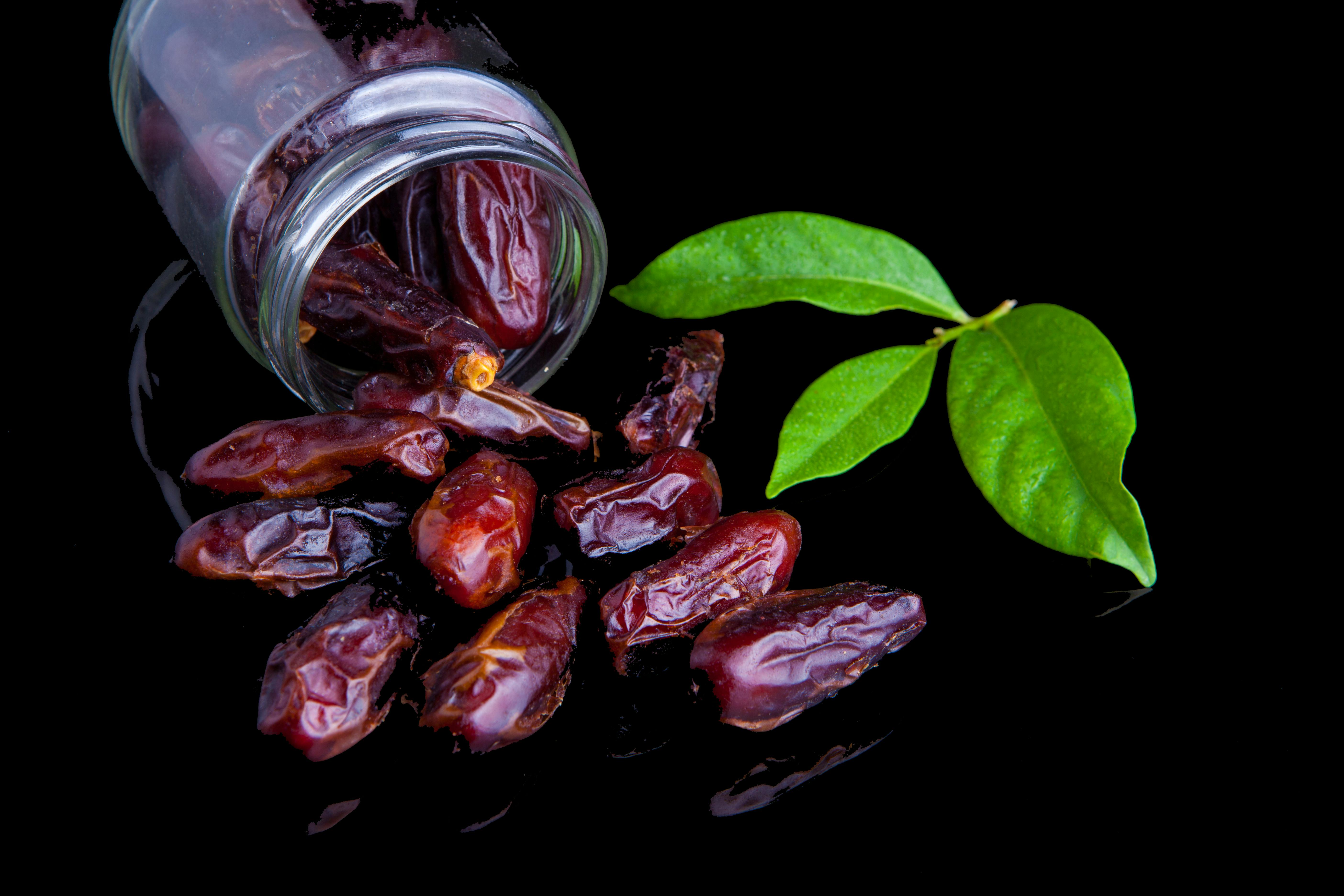
Benefits
2. Bananas

Benefits
3. Watermelon

Benefits
4. Oranges
Benefits
5. Pears
Benefits
Managing Common Third-Trimester Symptoms with Fruit
Pregnancy Symptom
Recommended Fruits
Potential Benefit
Constipation
Pears, apples, kiwi, berries
Provide fiber to improve bowel regularity.
Leg cramps
Bananas, oranges
Supply potassium that supports muscle function.
Swelling
Watermelon, oranges
Support hydration and fluid balance.
Fatigue
Dates, bananas
Provide natural carbohydrates for energy.
Heartburn
Pears, bananas
Often well tolerated in small portions.
Preparing for Labor Through Good Nutrition
Recommended Daily Fruit Intake During the Third Trimester
Chapter 9: Fruit Safety During Pregnancy — Preventing Foodborne Illnesses
Why Food Safety Is More Important During Pregnancy
Possible Complications
Common Germs That May Contaminate Fruits
Microorganism
Possible Source
Potential Health Risk
Listeria monocytogenes
Contaminated soil, water, processing equipment, refrigerated foods
Miscarriage, stillbirth, premature birth, newborn infection
Salmonella
Contaminated irrigation water, animal waste, poor hygiene
Diarrhea, fever, dehydration
Escherichia coli (E. coli)
Contaminated water or handling
Severe diarrhea and abdominal cramps
Toxoplasma gondii
Soil contaminated by cat feces
Congenital toxoplasmosis affecting the fetus
Norovirus
Poor hand hygiene during food handling
Vomiting and acute gastroenteritis
How Fruits Become Contaminated
Potential Sources of Contamination
Proper Handwashing Before Handling Fruit
Wash Your Hands:
How to Wash Fresh Fruits Properly
Recommended Washing Steps
Should Pregnant Women Use Fruit Wash Products?
Extra Care for High-Risk Fruits
Fruit
Recommended Safety Practice
Melons
Scrub the rind thoroughly before cutting.
Apples
Wash under running water while rubbing the skin.
Pears
Wash thoroughly before eating.
Grapes
Separate clusters and rinse well.
Berries
Rinse gently immediately before eating.
Citrus fruits
Wash the peel before slicing or juicing.
Chapter 9: Reducing Pesticide Exposure During Pregnancy
What Are Pesticides?
Common Types of Agricultural Pesticides
Can Pesticides Affect Pregnancy?
Why Precaution Is Recommended
Organic vs Conventional Fruits
Organic Fruits
Conventionally Grown Fruits
Produced using certified organic farming methods.
Produced using approved modern farming practices.
Usually contain lower synthetic pesticide residues.
May contain low pesticide residues within regulatory safety limits.
Often more expensive.
Usually more affordable and widely available.
Still require washing before eating.
Also require thorough washing before eating.
Should You Peel Fruit?
Advantages of Peeling
Disadvantages of Peeling
Practical Ways to Reduce Pesticide Exposure
Buying Fruits Safely During Pregnancy
Choose Fruits That:
Avoid Fruits That:
Frequently Asked Questions
Are organic fruits completely pesticide-free?
Should pregnant women only buy organic fruits?
Can vinegar remove pesticides from fruit?
Chapter 9: Safe Fruit Storage During Pregnancy
Why Proper Fruit Storage Matters
Benefits of Proper Storage
Should Fruits Be Refrigerated?
Store at Room Temperature
Refrigerate After Ripening
Bananas
Yes
Avocados
Yes
Mangoes
Yes
Pears
Yes
Best Stored in the Refrigerator
Reason
Berries
Spoil quickly at room temperature.
Grapes
Maintain freshness longer.
Cherries
Remain firm and safe.
Cut watermelon
Requires refrigeration to prevent bacterial growth.
Pineapple (cut)
Should be refrigerated immediately.
Papaya (cut)
Refrigerate after slicing.
Safe Refrigerator Practices
Best Practices
Preventing Cross-Contamination
Ways Cross-Contamination Occurs
How to Prevent It
Recognizing Spoiled Fruit
Warning Sign
Recommended Action
Mold growth
Discard immediately.
Strong unpleasant odor
Do not consume.
Leaking juice
Discard.
Excessive softness or slimy texture
Throw away.
Visible fermentation
Do not eat.
Fresh-Cut Fruits: Are They Safe?
Safety Recommendations
Frozen Fruits During Pregnancy
Benefits of Frozen Fruits
Travel and Packed Fruit Safety
Quick Fruit Safety Checklist
Chapter 10: Frequently Asked Questions About Fruits During Pregnancy (Part 10A)
FAQ 1: What Are the Best Fruits to Eat During Pregnancy?
Excellent Choices Include:
FAQ 2: How Much Fruit Should a Pregnant Woman Eat Each Day?
Examples of One Serving
Fruit
Approximate Serving Size
Apple
1 medium
Banana
1 medium
Orange
1 medium
Berries
1 cup
Watermelon
1 cup diced
Grapes
1 cup
FAQ 3: Is It Safe to Eat Fruit Every Day During Pregnancy?
FAQ 4: Can Eating Too Much Fruit Be Harmful?
Possible Concerns
FAQ 5: Should Fruits Be Eaten Before or After Meals?
Helpful Suggestions
FAQ 6: Can Fruit Replace Prenatal Vitamins?
Key Points
Chapter 10: Frequently Asked Questions About Fruits During Pregnancy (Part 10B)
FAQ 7: Are Fruit Cravings During Pregnancy Normal?
Why Fruit Cravings May Occur
FAQ 8: Are Fruit Smoothies Safe During Pregnancy?
Healthy Smoothie Ingredients
Avoid Adding
FAQ 9: Can Pregnant Women Drink Fruit Juice?
Whole Fruit vs Fruit Juice
Whole Fruit
Fruit Juice
High in dietary fiber.
Contains little or no fiber.
Slower rise in blood glucose.
Faster rise in blood glucose.
More filling.
Less satisfying.
Supports digestive health.
Often easier to consume in excessive amounts.
FAQ 10: Are Frozen Fruits Safe During Pregnancy?
Benefits of Frozen Fruit
FAQ 11: Are Dried Fruits Healthy During Pregnancy?
Benefits
Use Moderation Because:
FAQ 12: Can Women With Gestational Diabetes Eat Fruit?
Helpful Tips
Generally Lower Glycemic Fruits
Higher Glycemic Choices (Consume in Moderation)
Apples
Watermelon
Pears
Very ripe bananas
Berries
Large portions of dried fruits
Cherries
Fruit juices
Quick Summary
Chapter 10: Frequently Asked Questions About Fruits During Pregnancy (Part 10C)
FAQ 13: Can Fruit Help Reduce Morning Sickness?
Helpful Fruits
FAQ 14: Can Eating Fruit Prevent Pregnancy Complications?
FAQ 15: Can Pregnant Women Develop Fruit Allergies?
Possible Allergy Symptoms
FAQ 16: Are Fruits Safe During High-Risk Pregnancy?
Examples of Conditions Requiring Individualized Advice
FAQ 17: Is It Safe to Eat Fruit Before Bed?
FAQ 18: Do Fruits Determine a Baby's Gender?
FAQ 19: Can Eating Fruit Make the Baby Too Large?
FAQ 20: What Should I Do If I Cannot Tolerate Fruit During Pregnancy?
Helpful Strategies
Common Pregnancy Fruit Myths
Myth
Evidence-Based Fact
Pineapple causes miscarriage.
Moderate pineapple consumption has not been shown to cause miscarriage in healthy pregnancies.
All papaya is dangerous.
Unripe papaya should be avoided, while ripe papaya is generally considered safe in moderation.
Fruit should never be eaten at night.
There is no scientific evidence supporting this claim.
Fruit can replace prenatal vitamins.
Fruits support nutrition but cannot replace prescribed prenatal supplements.
Organic fruit never needs washing.
Both organic and conventional fruits should always be washed before eating.
Expert Recommendations
Chapter 11: Clinical Summary and Key Recommendations (PART 11A)
Key Clinical Messages
1. Eat a Variety of Fruits
2. Choose Whole Fruits More Often Than Juice
3. Practice Good Food Hygiene
4. Understand That Most Pregnancy Fruit Myths Are Not Supported by Evidence
5. Individual Medical Conditions Require Personalized Advice
Daily Pregnancy Fruit Checklist
Clinical Perspective
Continue Reading
Chapter 11: Conclusion (PART 11B)
Key Takeaways
Healthy Pregnancy Nutrition Checklist
When to Seek Medical Advice Immediately
Recommended Reading on VitalWell Hub
References
Medical Disclaimer
Support VitalWell Hub


COMMENTS